










India’s Semiconductor Dream Takes a Major Leap Forward
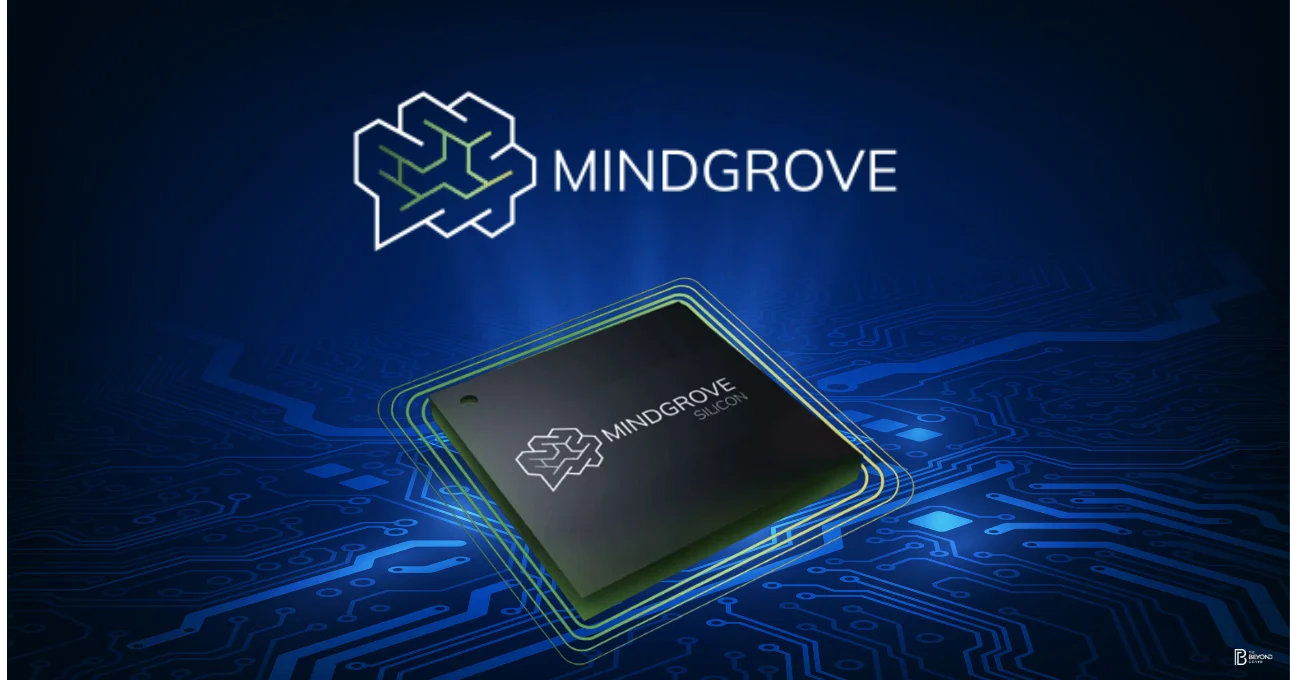
India’s semiconductor ecosystem is entering a defining phase as Mindgrove Technologies prepares for the commercial launch of the country’s first secure IoT chip built on open-source RISC-V architecture. Incubated at Indian Institute of Technology Madras, the Chennai-based startup is positioning itself at the center of India’s growing push toward self-reliant chip innovation and secure digital infrastructure.
The company’s Secure IoT System-on-Chip (SoC), fabricated on a 28nm process and clocked at 700 MHz, is designed for applications across smart wearables, EV battery management systems, biometric authentication devices, industrial monitoring systems, and connected smart city infrastructure. More importantly, the chip is expected to reduce costs for Indian manufacturers by nearly 30% when compared to imported alternatives, making advanced IoT technology more accessible and scalable for domestic businesses.
The launch comes at a time when India is aggressively expanding its semiconductor and electronics manufacturing capabilities. Mindgrove’s entry into the market is not just another startup milestone – it reflects a broader shift toward indigenous chip design and technological sovereignty.
Secure IoT Chip Designed for India’s Next Digital Infrastructure Wave
Mindgrove’s S2401 Secure IoT SoC has been developed to deliver high performance while maintaining strong built-in security features for edge devices. The chip combines a 64-bit RISC-V core with production-ready 28nm fabrication technology, allowing Indian OEMs to build feature-rich products without relying heavily on imported microcontrollers.
Unlike conventional chip ecosystems that often involve expensive licensing structures, the open-source RISC-V architecture gives companies greater flexibility in customization while significantly lowering overall costs. This advantage becomes particularly important for industries rapidly adopting IoT solutions at scale.
According to Shashwath T R, the chip is aimed at positioning India as a global design leader in secure and affordable IoT technologies.
He highlighted that the Secure IoT SoC can help manufacturers lower device costs by almost 30% while still meeting high-security requirements for biometrics, industrial IoT, and connected infrastructure systems. The company has already completed functional testing of prototypes, with reference boards expected soon.
Growing Demand from Biometric and Smart Access Systems
Even before its official rollout, Mindgrove is seeing strong market interest from companies working in biometric authentication and telecom onboarding systems. As India continues expanding digital identity verification and eKYC infrastructure, demand for secure and locally designed semiconductor solutions is rising rapidly.
One of the biggest milestones for the startup is its two-year commercial agreement with Pinetics. Through this partnership, Mindgrove’s chips will be integrated into smart locks, cameras, and biometric access control systems. The deal marks one of the first commercial deployments of an India-designed secure IoT chip in these product categories.
The partnership is expected to accelerate the adoption of smart home technologies and secure access systems while also validating the commercial viability of indigenous semiconductor design in India.
Beyond access control systems, the chip’s applications extend into POS machines, industrial equipment monitoring, smart utility meters, wearable devices, and EV battery management systems. This versatility gives Mindgrove an opportunity to participate in multiple high-growth technology sectors simultaneously.

IIT Madras Ecosystem Strengthens India’s Deep-Tech Innovation Story
Indian Institute of Technology Madras has played a critical role in nurturing semiconductor innovation through startups like Mindgrove. The institution has described the Secure IoT SoC as India’s first commercial high-performance microcontroller of its kind, reinforcing the country’s ambitions to become a global semiconductor innovation hub.
The success of Mindgrove also highlights the increasing maturity of India’s fabless semiconductor ecosystem. Backed by Peak XV Partners, the startup represents a growing wave of Indian companies focused on chip design, embedded systems, and AI-powered hardware innovation.
As global supply chains continue shifting and countries prioritize technological self-reliance, India’s focus on sovereign semiconductor capabilities has gained even greater strategic importance.
Beyond IoT: Mindgrove’s Bigger Vision for AI and Semiconductor Innovation
While Secure IoT remains the company’s immediate focus, Mindgrove is already working on broader ambitions in edge AI and semiconductor design automation. The startup plans to develop vision chips for AI-powered edge processing and AI-led EDA tools that can accelerate chip design cycles.
This long-term roadmap aligns closely with India’s expanding investments in AI infrastructure, secure cloud ecosystems, and advanced computing technologies. As industries increasingly demand secure edge computing solutions, startups like Mindgrove could become critical contributors to India’s future technology stack.
India’s Semiconductor Momentum Continues to Build
Mindgrove now joins a growing list of Indian semiconductor and deep-tech companies contributing to the country’s evolving chip ecosystem, including Tata Elxsi and MosChip.
Its partnership with Pinetics and early traction in biometric systems demonstrate that India-designed chips are moving beyond research labs into real-world commercial deployment.
As India positions itself as a major global hub for AI, IoT, and electronics manufacturing, Mindgrove’s Secure IoT launch represents more than a technological achievement. It reflects the rise of a new generation of Indian semiconductor companies capable of building secure, scalable, and globally competitive hardware solutions from within the country itself.