









In manufacturing, showing that an AI solution can be made to work in a controlled setting is only part of the story. The real test is getting it to perform reliably on a factory floor where one has to contend with old equipment, spotty connectivity and conditions that may be hazardous.
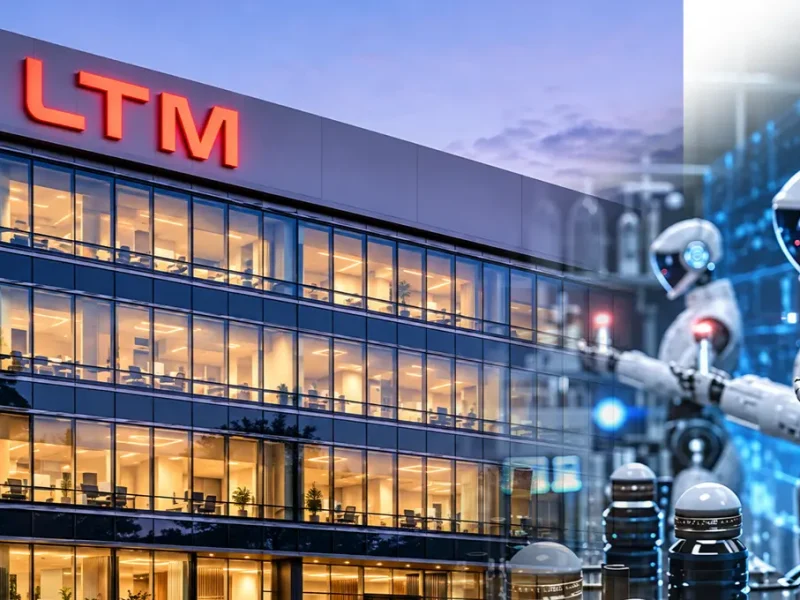
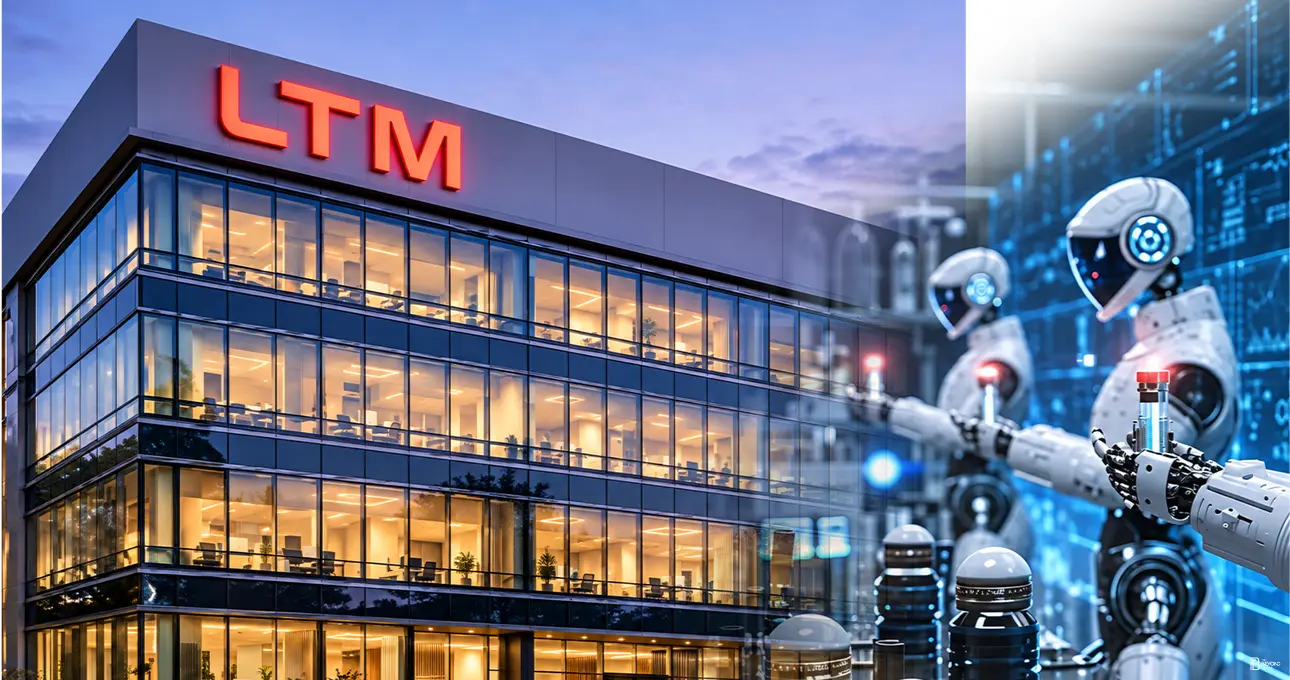
With its new co-innovation hub in Chennai, LTM intends to bridge that divide. At the lab, enterprises are able to put their industrial operations and intelligent products through development, simulation and validation prior to a full scale rollout. The objective is to see businesses progress from experimental forays into AI to applications ready for the shop floor, with an emphasis on efficiency, the safety of workers and quicker product development.
Four Capabilities to Put AI to Work
The lab is built around four core capabilities to cover the various phases of industrial AI adoption.
Connected Industrial AI makes use of multispectral computer vision, digital twins, smart edge devices, industry language models and AI agents to give firms better ways of monitoring, interpreting and deciding on operations.
Under robotics and simulation there is room to develop and run virtual validations on autonomous mobile robots, cobots and drones for such uses as material handling and inspection.
Embedded and device engineering is for the testing and development of consumer electronics and medical technology. That covers the hardware and embedded software as well as on-device AI, performance, safety and what the regulators require.
Then there is Ideas to Implementation, which is about taking a client’s concept and building a customised solution all the way to production. For an industrial business, having these under one roof simplifies the process of seeing how the technologies play off one another before a wider deployment is sanctioned.

Built for Real-World Factory Conditions
One does not find ideal conditions for new tech in most industrial settings. There is the matter of legacy gear, poor connectivity or a noisy and dangerous environment.
The BlueVerse lab caters to both greenfield and brownfield sites so an enterprise can judge an AI solution against the constraints of actual operations and not just a demonstration. LTM reports its teams and partners have put over 100 industrial AI solutions in place globally. The new facility will house LTM AI specialists, domain practitioners and a network of start-ups alongside its technology partners.
Why Safety and Governance Matter in Industrial AI
“Industrial AI is a powerful means for businesses to get to market faster, have more operational availability and ensure worker safety and regulatory compliance,” says Gururaj Deshpande, LTM’s Chief Delivery Officer.
Deshpande notes the lab is set up to allow for the building and scaling of solutions with the necessary guardrails and security in place. Such governance is essential when introducing AI where reliability and safety cannot be compromised.
How the Lab Fits into LTM’s Broader AI Strategy
This is in line with a trend in India’s IT services sector to ramp up manufacturing AI, much like the deal Tech Mahindra struck with Infinite Uptime in September on physical AI for its workflows.
For LTM the lab is an extension of its focus on AI-led engineering and innovation. It is founded on the BlueVerse Tech platform and its AppIQ, AgentIQ and FusionIQ offerings for quality engineering and AI-first software. By housing computer vision, edge computing, robotics and the rest in a single co-innovation ecosystem, LTM wants to help industrial clients put their solutions to the test and arrive at outcomes that are measurable and ready for production.