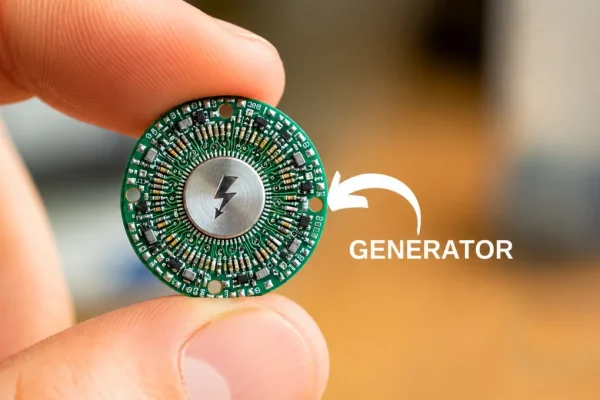











The global semiconductor industry is constantly searching for the next breakthrough that can make chips faster, smarter, and more energy-efficient. Now, researchers at Peking University have reportedly developed a new transistor design that could deliver a 40% speed boost while using 10% less energy than today’s leading silicon-based chips.Â
The announcement has generated significant attention across the technology world, with some headlines even suggesting that the development “beats Intel.” While such claims may be premature, the underlying research is still noteworthy because it highlights how scientists are exploring new ways to push computing beyond the limits of traditional silicon technology.Â
For readers, this is not simply another semiconductor research story. It offers a glimpse into the future of computing, where advances in chip design could influence everything from smartphones and laptops to artificial intelligence systems and massive data centers.Â
The Research Behind the HeadlinesÂ
According to reports, the work comes from researchers at Peking University and focuses on a gate-all-around field-effect transistor (GAAFET) built using bismuth-based two-dimensional materials known as Bi2O2Se and Bi2SeO5.Â
The researchers claim that the design improves electron flow while reducing energy loss within the transistor. As a result, the device is reported to operate approximately 1.4 times faster while consuming only 90% of the energy used by current advanced silicon chips.Â
In semiconductor engineering, these numbers are significant. The industry has spent years trying to improve performance without dramatically increasing power consumption. Every gain in speed typically creates new challenges related to heat generation, energy usage, and efficiency.Â
This new approach suggests that alternative materials may offer a path toward overcoming some of those challenges.Â
Why Faster and More Efficient Chips MatterÂ
The importance of semiconductor innovation extends far beyond the technology sector.Â
Modern life depends on chips. They power smartphones, laptops, cloud services, artificial intelligence applications, medical equipment, automobiles, and countless other technologies that people use every day.Â
As digital demand continues to grow, so does the need for processors that can handle increasingly complex workloads. Faster chips improve user experiences, enable more sophisticated AI systems, and support the growing volume of data being processed around the world.Â
At the same time, reducing power consumption has become equally important.Â
Energy efficiency affects everything from smartphone battery life to the operating costs of massive data centers. Companies running large-scale computing infrastructure spend billions of dollars on electricity and cooling systems. Even modest improvements in efficiency can lead to significant savings and reduced environmental impact.Â
This is why researchers and chipmakers alike are placing greater emphasis on performance-per-watt rather than focusing solely on raw processing speed.Â
Looking Beyond Traditional SiliconÂ
One of the most interesting aspects of the research is its focus on materials beyond conventional silicon.Â
For decades, silicon has served as the foundation of modern semiconductor manufacturing. However, as chipmakers continue shrinking transistor sizes, maintaining performance gains has become increasingly difficult.Â
Physical limitations, heat management challenges, and rising manufacturing complexity are forcing the industry to explore alternative approaches.Â
The use of two-dimensional bismuth-based materials represents part of a broader global effort to identify next-generation semiconductor technologies. Researchers believe these materials may allow transistors to operate more efficiently while maintaining high levels of performance.Â
Although the technology remains in the research phase, it highlights the industry’s growing interest in finding solutions that can sustain future advances in computing power.Â
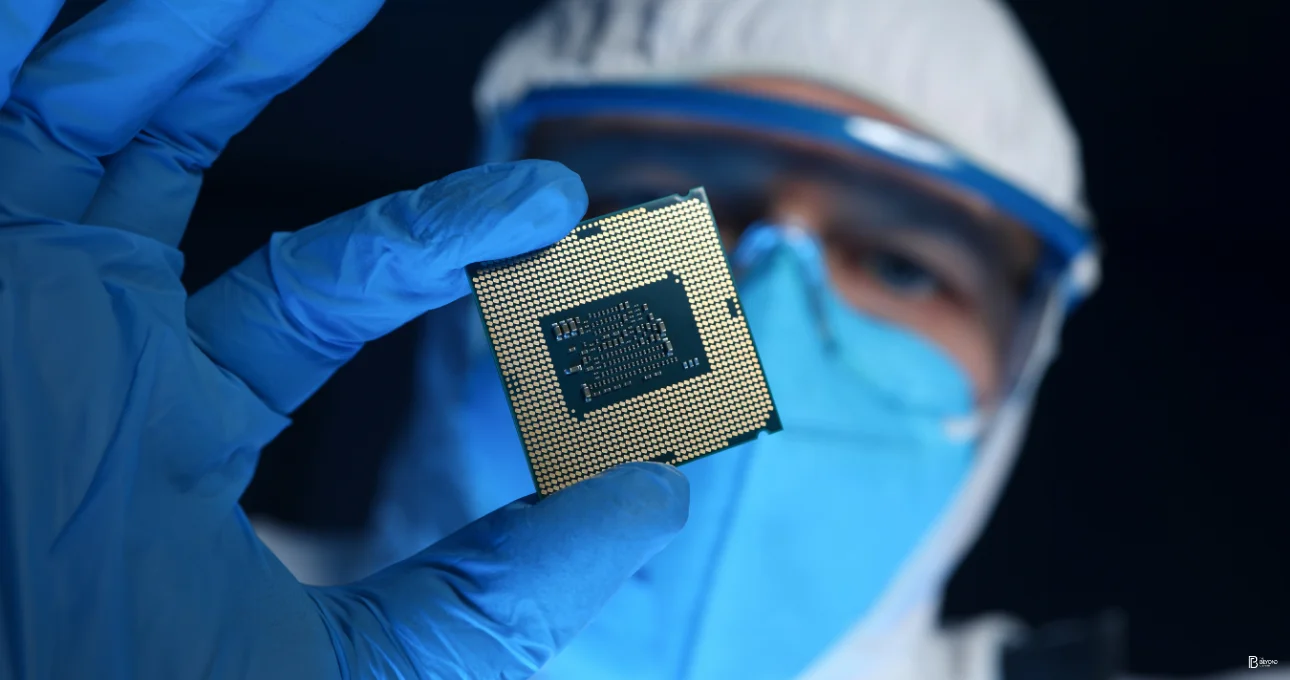
Why Claims About “Beating Intel” Should Be Viewed CarefullyÂ
While the reported breakthrough is exciting, some of the headlines surrounding it require context.Â
The phrase “beats Intel” creates the impression that a commercially available processor has already outperformed products from one of the world’s largest semiconductor companies. However, the research described in reports is focused on a laboratory-developed transistor design, not a mass-market processor.Â
There is an important difference between a successful transistor experiment and a commercially deployed chip.Â
Transforming a laboratory breakthrough into a product involves years of additional development, including manufacturing, reliability testing, scalability, software compatibility, and integration into complete computing systems.Â
It is also unclear whether the reported performance comparison refers to a specific Intel product, a category of processors, or a controlled benchmark used during research. Such details matter because semiconductor performance can vary widely depending on workloads, testing environments, and manufacturing processes.Â
For now, the development should be viewed as an encouraging scientific achievement rather than a direct commercial victory over existing chipmakers.Â
What This Could Mean for the FutureÂ
Despite the need for caution, the research highlights an important trend shaping the future of technology.Â
The semiconductor industry is increasingly moving beyond traditional approaches to innovation. As transistor scaling becomes more challenging, breakthroughs will likely come from new materials, advanced architectures, and novel ways of improving energy efficiency.Â
If the bismuth-based transistor design can eventually be scaled and manufactured successfully, it could contribute to future processors that are both faster and more energy-efficient.Â
Such advancements would be particularly valuable for artificial intelligence systems, high-performance computing environments, cloud infrastructure, and next-generation consumer devices.Â
A Promising Step in Semiconductor InnovationÂ
The reported achievement by researchers at Peking University represents an important milestone in semiconductor research. A transistor capable of delivering a 40% speed increase while using 10% less energy demonstrates the kind of innovation scientists around the world are pursuing as they look beyond the limits of traditional silicon.Â
While the technology is still far from becoming a commercial product, it underscores the rapid pace of progress in chip design and materials science.Â
For consumers, businesses, and the broader technology industry, developments like this offer a glimpse of a future where computing becomes more powerful, more efficient, and better equipped to support the growing demands of an increasingly digital world.Â