









AI Is No Longer Just Designing Mockups – It’s Bringing Code Into the Creative Process
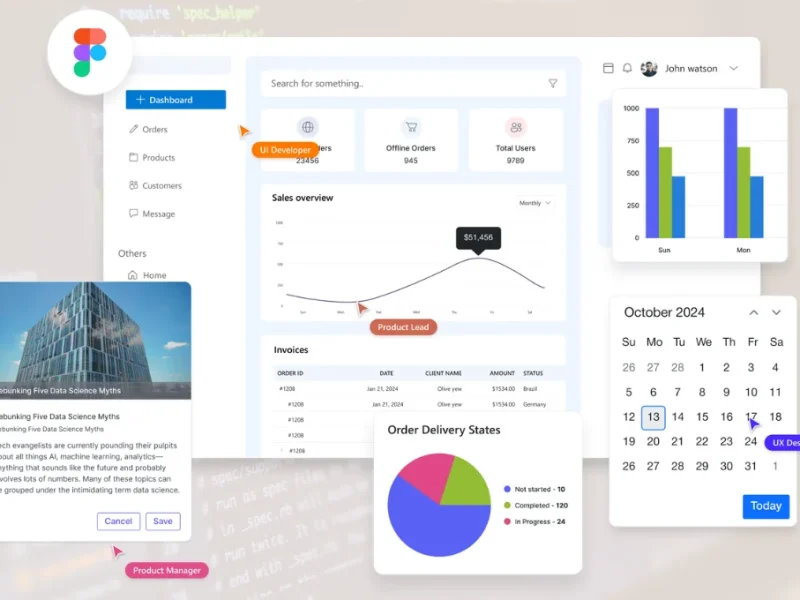
The relationship between design and development has long been defined by handoffs. Designers created the vision, developers translated it into code, and product teams spent countless hours bridging the gap between the two. Now, Figma is attempting to change that equation.
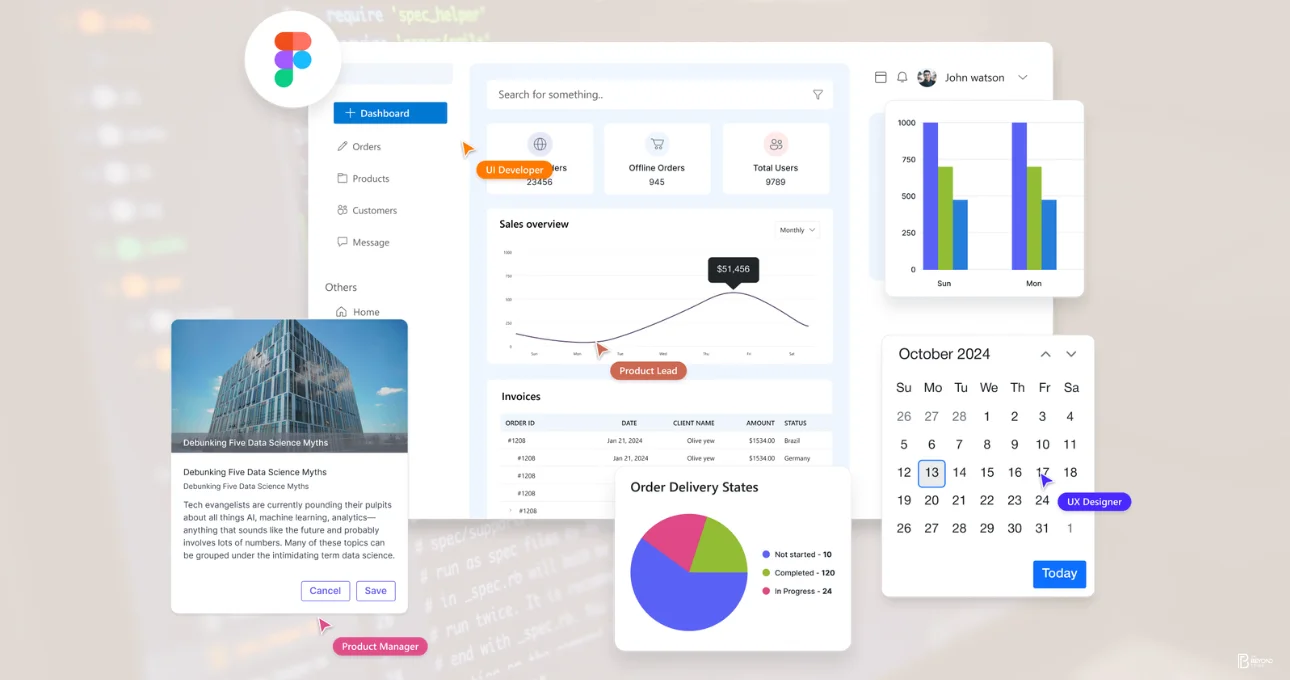
With the introduction of Figma Make, the company is taking a significant step toward merging design and development into a single workflow. More than just another AI-powered feature, Figma Make represents a broader shift in how digital products may be built in the future– one where ideas can move from concept to editable code without leaving the same environment.
The development highlights a growing trend across the technology industry: AI is no longer simply assisting teams with tasks. It is increasingly becoming the connective layer between creativity, collaboration, and execution.
What Figma Make Brings to the Table
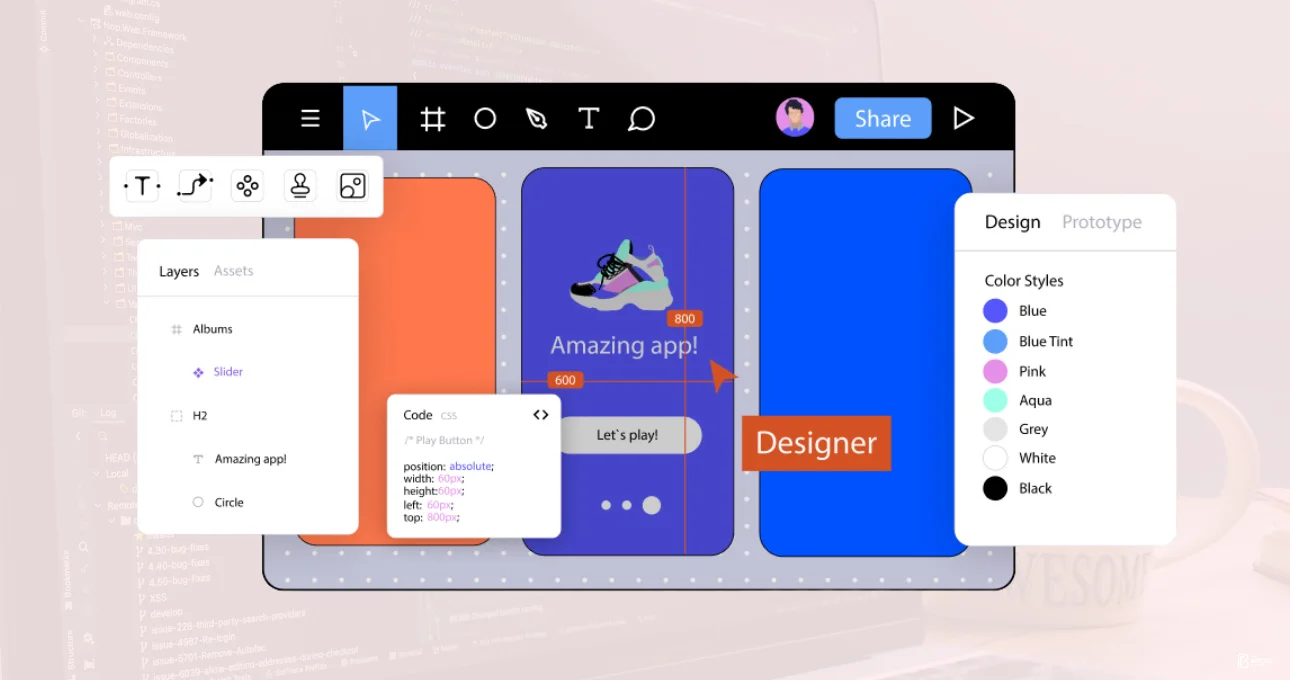
According to Figma, Make can transform design frames and prompts into working, editable code, including HTML, CSS, and JavaScript. Instead of stopping at static mockups or visual prototypes, teams can create interactive experiences that are functional enough to test, refine, and share with stakeholders.
The key difference lies in what happens after the code is generated.
Rather than treating AI-generated output as a disposable prototype, users can directly inspect, edit, refine, and export the generated code within the workflow itself. This shifts AI’s role from being an idea-generation tool to becoming a practical assistant embedded within the product development process.
For designers, this means moving beyond visual concepts and getting closer to implementation. For developers, it creates a clearer starting point that already reflects the intended design experience.
Reducing the Design-to-Development Gap
One of the biggest challenges in product development has always been the handoff process.
Designs often undergo multiple rounds of interpretation before becoming functional products. During this transition, delays, revisions, and communication gaps can emerge, resulting in additional work for both designers and engineers.
Figma Make aims to reduce that friction.
By allowing design and code to evolve together, teams can iterate faster and maintain greater alignment between the original vision and the final product. Product managers can also participate earlier in the process by validating concepts before significant development resources are committed.
The result is a workflow that feels more collaborative and less fragmented.
Rather than waiting for separate design and engineering cycles, teams can continuously refine products within a shared environment.
A Sign of a Larger Industry Shift
Figma Make is not an isolated product launch. It reflects a broader transformation taking place across the technology ecosystem.
The traditional boundaries between design software and coding platforms are becoming increasingly blurred. Over the past few years, Figma has steadily moved toward integrating development more deeply into its platform through initiatives such as Dev Mode, Code Connect, and Model Context Protocol (MCP) integrations.
These tools have gradually brought design systems closer to codebases, making collaboration between designers and developers more seamless.
Figma Make builds on that momentum by extending AI directly into the creation process itself.
The trend is clear: product development is becoming less departmental and more collaborative. Design decisions, code generation, feedback, and iteration are increasingly happening in the same space rather than being distributed across disconnected tools and teams.
What Product Teams Should Keep in Mind
Despite the excitement surrounding AI-generated code, experts agree that human oversight remains essential.
Enterprise teams still need to ensure that generated code meets standards for maintainability, accessibility, security, performance, and design consistency. AI can accelerate production, but it cannot replace the expertise required to build scalable and reliable products.
This is where Figma Make’s value becomes clearer.
The platform is not positioned as a replacement for designers or developers. Instead, it serves as a bridge that shortens the distance between them. By removing repetitive steps and reducing communication barriers, teams can focus more on solving problems and improving user experiences.
Why Figma Make Matters Beyond Design Software
The significance of Figma Make extends beyond the design community.
It offers a glimpse into a future where product development becomes a continuous cycle rather than a sequence of isolated stages. The traditional process of design, handoff, development, and deployment is gradually evolving into a more fluid workflow driven by rapid iteration.
Instead of following a rigid path, teams can move through a cycle of prompting, prototyping, refining, and shipping with far fewer interruptions.
That evolution could fundamentally reshape how products are built, tested, and launched.
As AI continues to mature, the distinction between designing and developing may become increasingly irrelevant. What will matter more is how quickly teams can turn ideas into real experiences.
Figma Make is one of the clearest signals yet that the future of product creation will be less about where design ends and development begins–and more about how seamlessly the two work together.
In that sense, Figma’s latest move is not just a feature update. It is a glimpse into the next chapter of digital product development, where AI acts as the bridge connecting imagination with execution.