










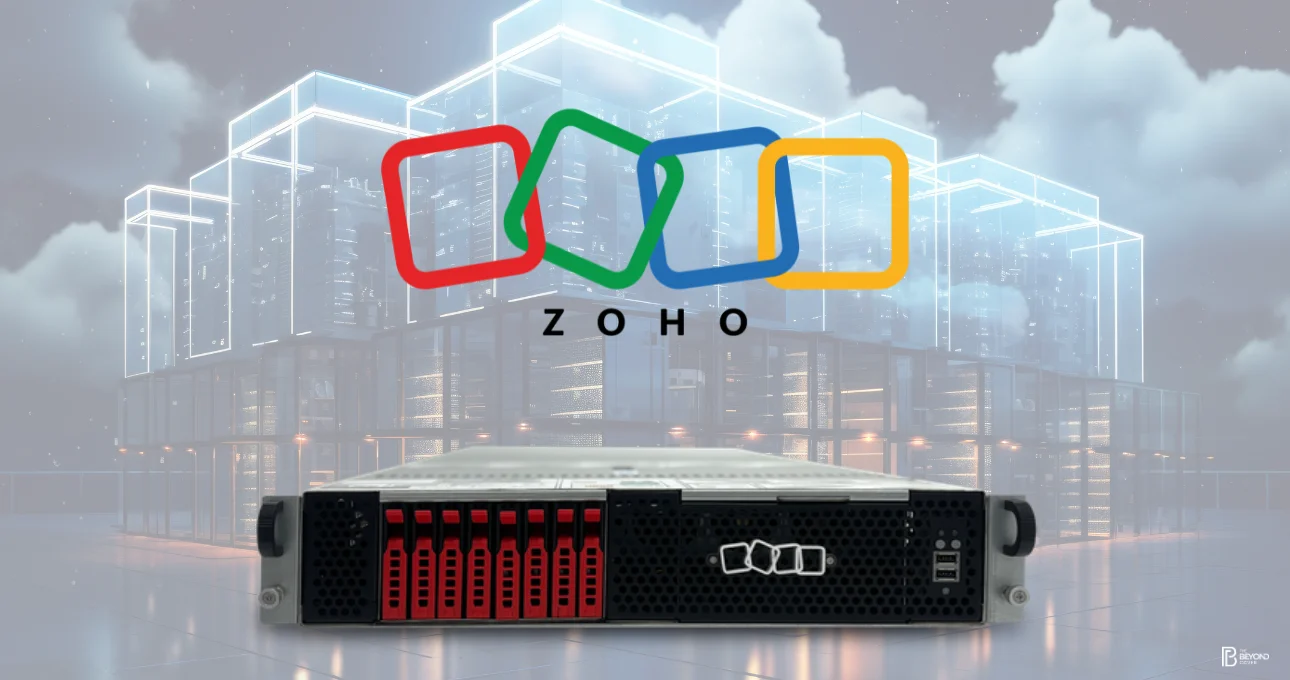
As artificial intelligence becomes increasingly important for businesses, the infrastructure powering it is emerging as a key competitive advantage. Recognizing this shift, Zoho has unveiled Nathu La, a new AI server designed in India to help reduce AI inference costs, lower power consumption, and strengthen the company’s technology sovereignty.
For businesses, technology professionals, and AI enthusiasts, this development is worth paying attention to because it highlights a growing trend: companies are no longer focusing only on AI software–they are investing in the infrastructure needed to run AI efficiently and sustainably.
Zoho’s New AI Infrastructure Strategy
Named after the historic mountain pass in Sikkim, Nathu La is Zoho’s in-house designed AI server built specifically for AI inference workloads. AI inference refers to the process of running trained AI models to generate responses, predictions, recommendations, and decisions.
As Zoho continues integrating AI features across its suite of business applications, managing inference costs has become increasingly important. Every AI-powered capability, from customer support automation to intelligent analytics and productivity tools, relies on inference to function.
By designing infrastructure optimized for these workloads, Zoho aims to improve performance while keeping operational costs under control.
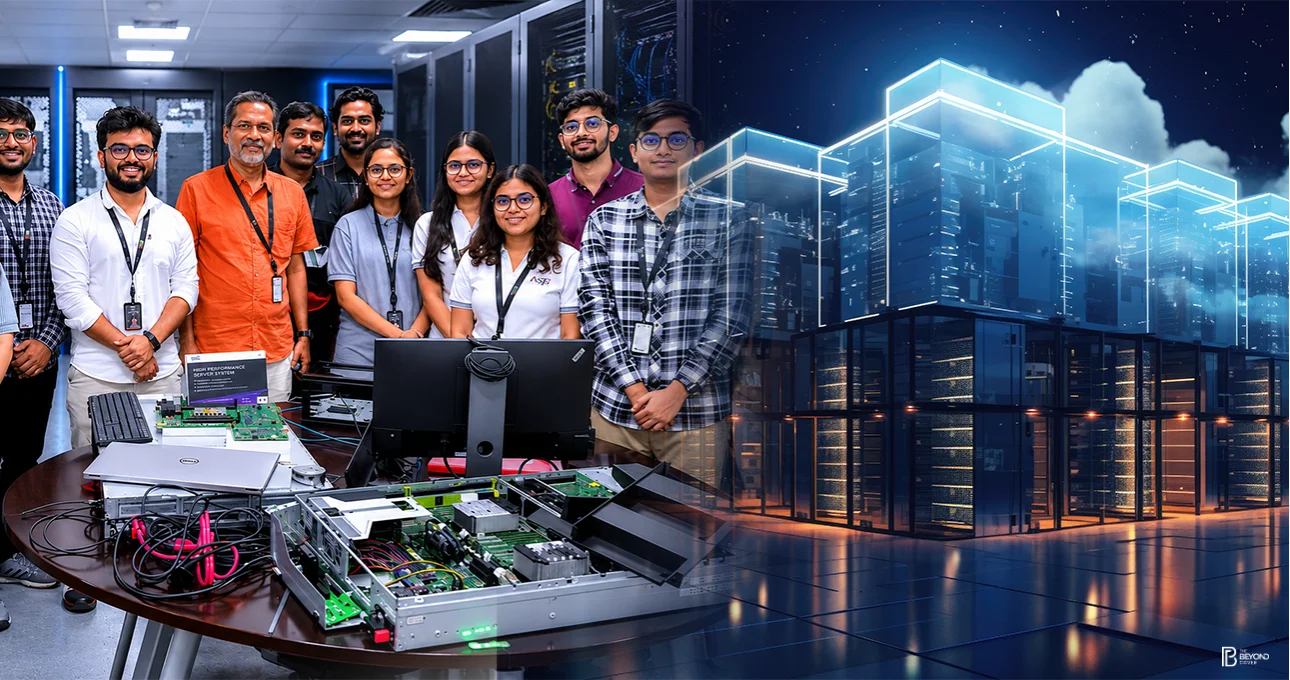
Built for Efficiency and Lower Ownership Costs
Nathu La is powered by Intel Xeon 6 processors, Intel’s latest enterprise-grade CPUs designed for demanding computing environments. According to Zoho, the server has been built with a focus on reducing power consumption and lowering overall ownership costs.
This matters because AI workloads are highly resource-intensive. As organizations scale their AI capabilities, energy usage and infrastructure expenses can quickly become major challenges. A more efficient server can help businesses support growing AI demand without significantly increasing operating costs.
For Zoho, this means creating a stronger foundation for expanding AI-powered services across its software ecosystem.
Why Technology Sovereignty Matters
One of the most notable aspects of Nathu La is Zoho’s emphasis on technology sovereignty.
By designing the server in India, the company gains greater control over its AI infrastructure and reduces dependence on external technology providers. This approach allows Zoho to optimize hardware according to its specific requirements while maintaining greater oversight of performance, infrastructure management, and long-term development.
The move also aligns with India’s broader push toward strengthening domestic technology capabilities and building more self-reliant digital infrastructure.
Supporting Zoho’s AI-Powered Future
Artificial intelligence is becoming a central part of Zoho’s product portfolio. From AI-driven CRM features and automated document processing to intelligent email assistance and advanced analytics, AI is increasingly embedded across the company’s business applications.
As demand for these tools grows, scalable and cost-efficient infrastructure becomes essential. Nathu La is designed to provide that support, helping Zoho expand AI capabilities while maintaining efficiency and control.
The launch also reflects a larger industry trend where technology companies are building custom infrastructure to optimize performance, improve cost efficiency, and reduce reliance on third-party platforms.
The Bottom Line
Zoho’s launch of Nathu La marks an important step in its AI journey. Built in India and powered by Intel Xeon 6 processors, the server is designed to lower AI inference costs, reduce power consumption, and strengthen the company’s control over its technology stack.
Beyond its technical benefits, Nathu La represents a broader shift toward technology sovereignty and infrastructure ownership. As AI adoption continues to accelerate, investments like these could play a crucial role in helping companies scale innovation while maintaining efficiency, flexibility, and long-term competitiveness.