











Why AI Safety for Young Users Is Becoming a Bigger Concern
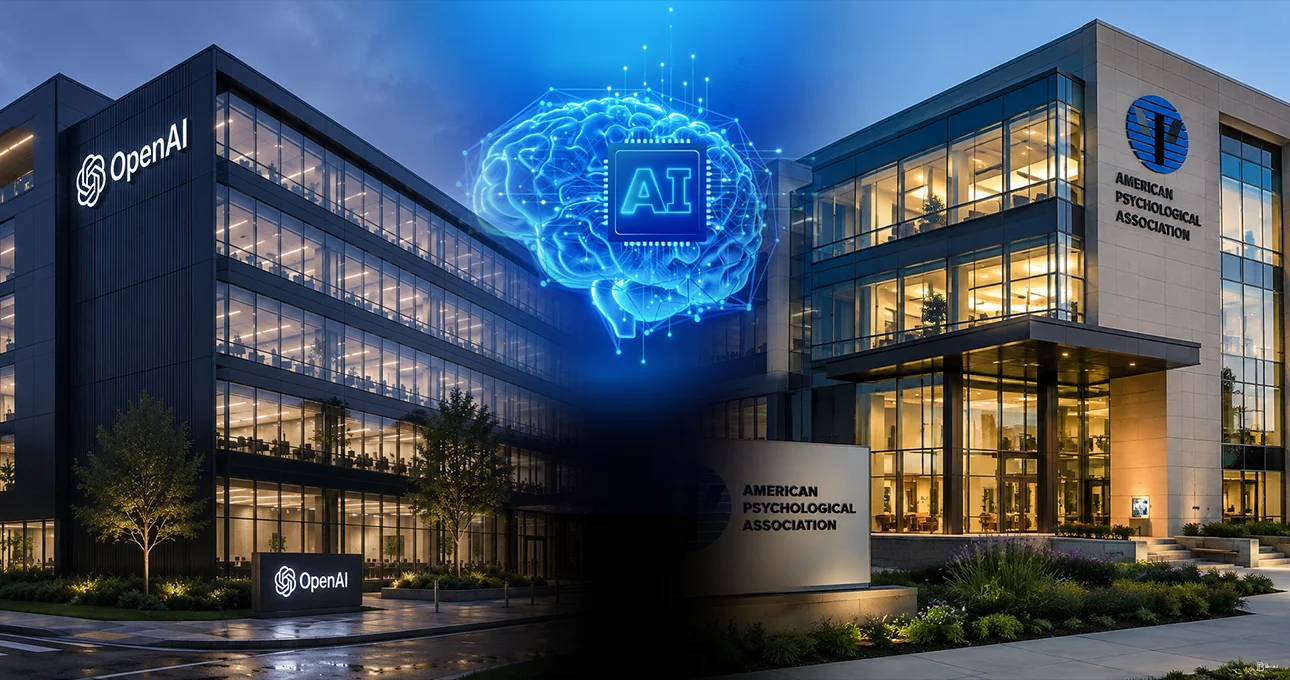
In an effort to put in place stronger AI safeguards for the mental health of young people, OpenAI and the American Psychological Association (APA) have formed a partnership.
The question of how safe AI is for its younger users has become harder to ignore as more children and teenagers look to it for emotional support, advice and information. To address this, the two organisations are putting together evidence-based guidance and safety measures for that demographic. It is a natural fit: OpenAI brings its know-how in building AI systems to the table while the APA contributes its authority on psychological science, clinical practice and adolescent development.
Making AI Safer and More Age-Appropriate
One of the primary objectives is to get a handle on how AI ought to be interacting with younger users, especially in instances where there is emotional distress at play. The work will look at ways for AI to be age-appropriate in its communication, to lower the chances of an unhealthy reliance on a digital companion and to nudge young people toward trusted adults or professionals when they show signs of trouble.
This follows in the wake of the APA’s own calls for better protections for adolescents, from privacy and default settings to sterner warnings on AI-produced health data and curbing any manipulative engagement.
Helping Parents, Schools and Mental-Health Professionals Navigate AI
The initiative will produce materials for schools, educators, caregivers and parents. With teenagers turning to chatbots to talk through anxiety, identity issues, loneliness and relationships, it is vital for adults to be able to spot the difference between healthy and excessive use and know when to step in. AI can be less intimidating than an adult conversation, but it must be seen as a support to, not a stand-in for, one’s relationship with family or peers.
OpenAI and the APA also intend to put resources in front of school psychologists and other mental-health practitioners. These will be aimed at helping them talk to young people about their chatbot use and make clear the limits of what AI can do. An AI system is no substitute for a licensed professional; it may point you to resources but it cannot be relied upon to diagnose or treat. Given the potential for poor responses in a crisis or over-reliance, human oversight remains a necessity.
Putting Young People at the Centre of AI Safety
The approach will be informed by input from a range of stakeholders, including policymakers, researchers and, importantly, the teenagers and young adults themselves. Their direct involvement should shed light on how they really engage with AI and where current support systems fall short.
Building on OpenAI’s Existing Youth Safety Measures
There is already a foundation to build on, not least OpenAI’s prior work with over 260 experts and the implementation of things like parental controls, break reminders and age-prediction tools. But the underlying tenet is that AI should be enhancing real-world ties, not supplanting them.
Building on OpenAI’s Existing Youth Safety Measures
As these technologies become part and parcel of daily life for the young, the OpenAI and APA alliance is an attempt to ground safety in developmental expertise rather than broad principles. In the end, the measure of the partnership will be whether the recommendations hold up in practice as sound product safeguards and protocols for families and schools.