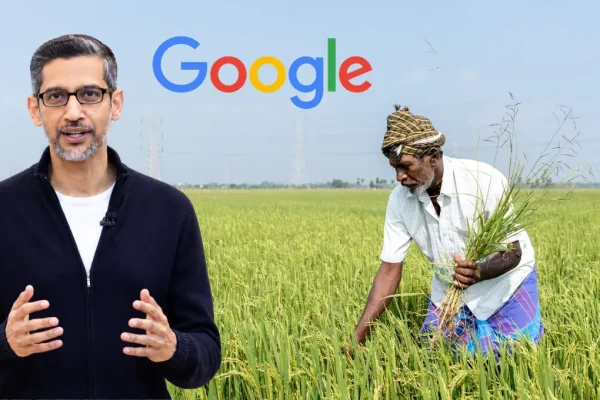










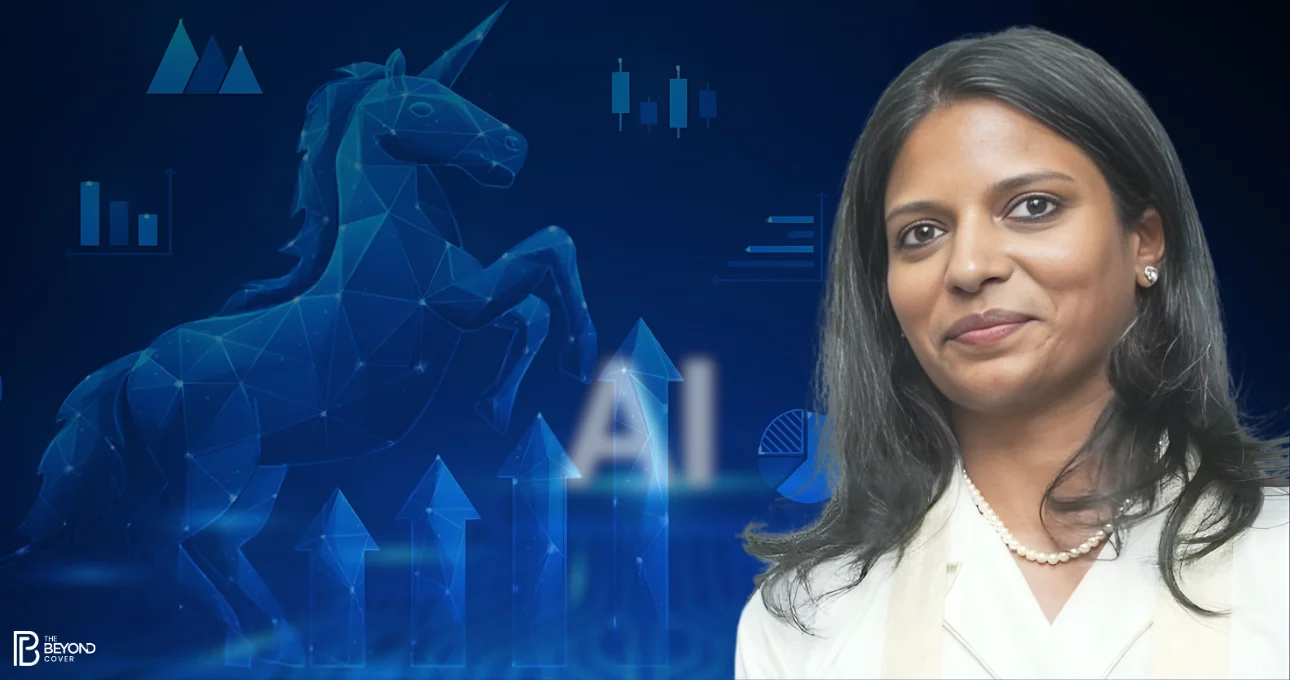
India is poised to witness a major transformation in its startup landscape, with artificial intelligence (AI) set to power the next generation of billion-dollar companies, according to Seema Rao, Vice President and Head of Google India & APAC Marketing. Speaking at the AI Startups Conclave, Rao said that nearly 50% of India’s future unicorns are likely to be AI-first companies, highlighting the growing centrality of AI in innovation, entrepreneurship, and economic growth.
AI at the Core of India’s Startup Boom
Addressing founders, investors, and policymakers at the conclave, Rao emphasized that AI is no longer a niche or experimental technology but a foundational layer across industries. From fintech and healthtech to agritech, edtech, and logistics, AI is becoming integral to how Indian startups build scalable, globally competitive products.
“AI is fundamentally changing how startups are conceived and scaled. We believe that half of India’s next wave of unicorns will have AI at their core,” Rao said, pointing to the rapid adoption of generative AI, machine learning, and data-driven decision-making across the startup ecosystem.
India is currently the world’s third-largest startup hub, with over 100 unicorns. Industry experts believe the next phase of growth will be driven less by traditional marketplace models and more by deep-tech and AI-led innovation.
Google’s Role in India’s AI Ecosystem
Rao highlighted Google’s ongoing efforts to support India’s AI journey through infrastructure, skilling, and startup enablement. Programs such as Google for Startups, AI-focused accelerator initiatives, and investments in cloud and AI tools are designed to help early-stage companies move from ideation to scale.
She also underlined the importance of responsible AI development, stressing that trust, safety, and inclusivity must remain central as AI adoption accelerates. According to Rao, startups that prioritize ethical AI practices will be better positioned to earn user trust and attract long-term investment.
Why India Is Well-Positioned for AI Unicorns
Several structural advantages make India fertile ground for AI-driven unicorns. These include a large and diverse digital user base, a rapidly expanding internet economy, and a strong pool of engineering and developer talent. Additionally, the increasing availability of data and cloud infrastructure has lowered barriers for startups building AI-native products.
Rao also pointed to India’s ability to build cost-efficient, globally relevant solutions, noting that many AI startups in the country are solving problems not just for India but for emerging markets worldwide.
Challenges Ahead
Despite the optimism, Rao acknowledged challenges such as access to high-quality data, compute infrastructure, and the need for clearer AI regulations. She stressed the importance of collaboration between government, industry, and academia to ensure sustainable growth of the AI ecosystem.
As global competition in AI intensifies, Indian startups will need to balance speed with responsibility, innovation with compliance, and local relevance with global ambition.
The Road Ahead
The statement from Google’s Seema Rao reflects a broader industry consensus that AI will define the next decade of Indian entrepreneurship. With venture capital increasingly flowing into AI startups and enterprises rapidly adopting AI solutions, India appears well on track to produce a new generation of AI-powered unicorns.
As Rao concluded, the opportunity is massive—but so is the responsibility. The startups that succeed will be those that combine cutting-edge AI with real-world impact, trust, and scalability.