









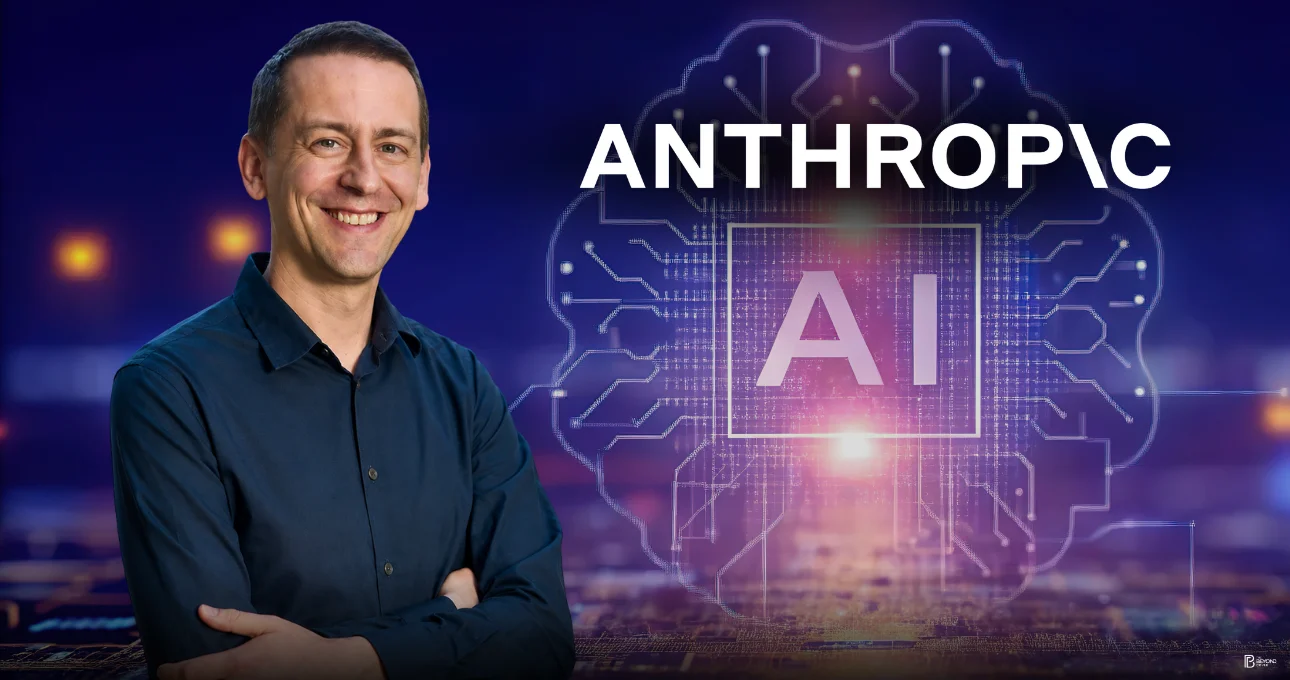
The artificial intelligence industry is witnessing another major talent shift. John Jumper, the Nobel Prize-winning scientist best known for his work on AlphaFold, has announced that he is leaving Google DeepMind after nearly nine years to join Anthropic. While executive and researcher movements are common in the tech world, Jumper’s transition stands out because of his significant contributions to both AI and scientific research.
His move highlights the growing competition among leading AI companies to attract world-class researchers capable of driving the next generation of breakthroughs. As the race for AI leadership intensifies, talent is becoming just as important as technology, funding, and computing power.
John Jumper’s Departure from Google DeepMind
Jumper shared the news on X, revealing that he had decided to leave Google DeepMind after almost a decade with the company. Reflecting on his journey, he credited DeepMind CEO Demis Hassabis for giving him the opportunity to lead the AlphaFold project just six months after completing his PhD.
Hassabis responded by praising the impact of AlphaFold and the achievements of the team, emphasizing how the project transformed scientific research. The exchange underscored the important role Jumper played in establishing DeepMind’s reputation as a leader in AI-driven scientific discovery.
Why John Jumper Is Important to the AI Industry
John Jumper is widely recognized as one of the key scientists behind AlphaFold, the breakthrough AI system that revolutionized protein structure prediction. The technology solved a challenge that had puzzled scientists for decades, helping researchers better understand diseases, accelerate drug discovery, and advance biological research.
The significance of this achievement was acknowledged globally when Jumper shared the 2024 Nobel Prize in Chemistry with Demis Hassabis and David Baker. Because of his contributions, Jumper is regarded not only as an AI researcher but also as a scientist whose work has had a lasting impact on biology and healthcare.
His decision to join Anthropic therefore carries importance beyond a standard career move, drawing attention across both the technology and scientific communities.

What This Means for Anthropic
Anthropic has been aggressively strengthening its position in the frontier AI race, competing with companies such as Google DeepMind and OpenAI. Although the company has not disclosed Jumper’s exact role, his arrival signals a commitment to expanding its research capabilities and scientific expertise.
Bringing in a researcher of Jumper’s stature could help Anthropic deepen its focus on advanced AI development while enhancing its credibility as a destination for top-tier scientific talent. The move also reflects how leading AI companies are increasingly investing in researchers who can shape future innovations.
The Growing Battle for AI Talent
Jumper’s move is part of a broader trend within the artificial intelligence industry. Competition between major AI labs is no longer limited to launching new models or securing funding. Increasingly, companies are competing to recruit the scientists and engineers responsible for breakthrough discoveries.
This trend has become more visible as several prominent researchers have moved between leading AI organizations. The recent departure of Google Gemini co-lead Noam Shazeer to OpenAI further highlights how dynamic and competitive the AI talent market has become.
Why This Matters for the Future of AI
The transition of John Jumper from Google DeepMind to Anthropic is significant because it reflects the growing importance of research leadership in shaping the future of artificial intelligence. As AI continues to transform industries ranging from healthcare and biotechnology to education and enterprise software, the people driving innovation are becoming strategic assets.
More importantly, Jumper’s move demonstrates that the next major breakthroughs in AI may depend as much on attracting exceptional talent as on building powerful models. In today’s rapidly evolving AI landscape, the race for leadership is increasingly becoming a race for the minds capable of defining the future.