









AI Coding Boom Meets Record-Breaking Growth
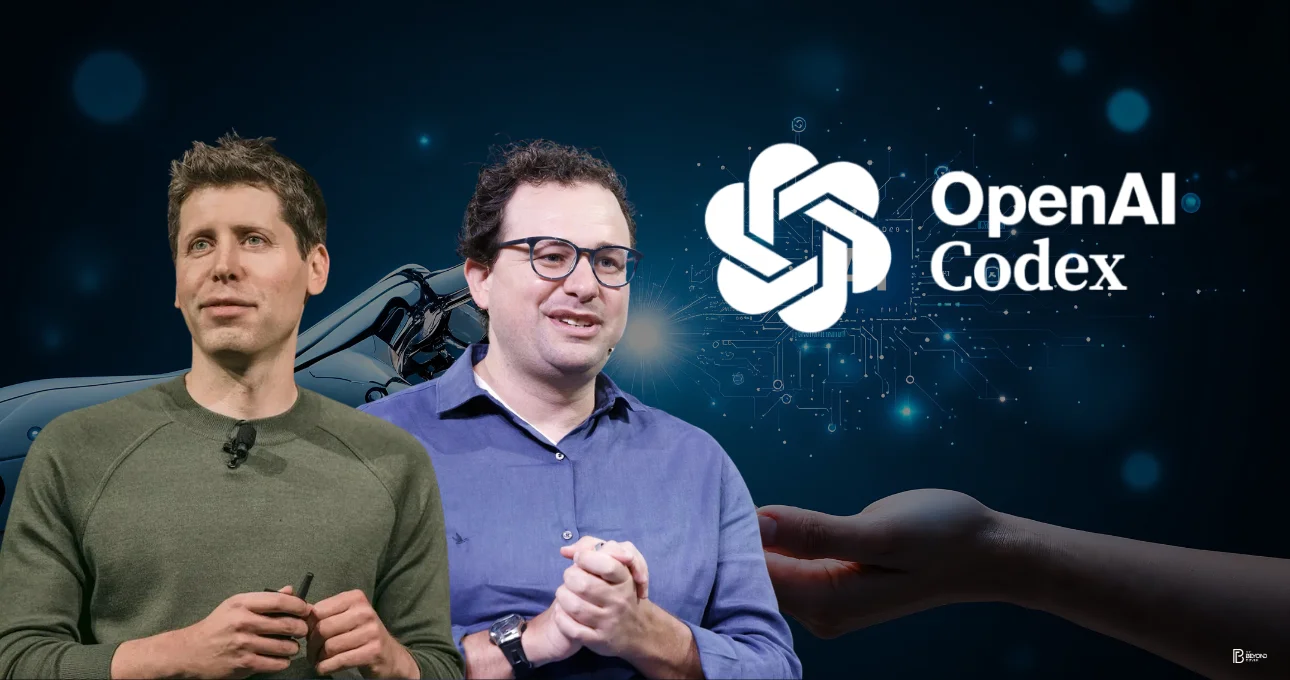
OpenAI is celebrating a major milestone as its coding agent Codex crosses 3 million weekly active users. Marking the moment, CEO Sam Altman announced a full reset of platform usage limits.
In a post on X, Altman revealed that limits will continue to reset for every additional 1 million users, until Codex reaches the ambitious 10 million user mark.
This milestone not only reflects Codex’s rapid adoption but also signals a deeper shift– AI is becoming central to how developers write, test, and ship code.
Why Codex Is Reshaping Developer Workflows
Codex, built on advanced reasoning models, is transforming software development by automating key tasks such as:
- Writing code across languages like Python, JavaScript, and Rust
- Debugging and optimizing existing programs
- Refactoring complex codebases with ease
Its rise mirrors a broader move toward agentic development, where AI handles a significant share of repetitive and time-consuming work.
This trend aligns with enterprise innovation seen in companies like Kyndryl and Wipro, where AI is increasingly embedded into operational systems.
Anthropic Unveils Claude Mythos: A Cybersecurity Game-Changer
At the same time, Anthropic has introduced Claude Mythos, a powerful internal AI system designed to identify vulnerabilities across browsers and operating systems.
Boris Cherny described Mythos as “very powerful– and should feel terrifying,” highlighting its potential to reshape cybersecurity as we know it.
Although not publicly available, Anthropic is working closely with Google and Microsoft under Project Glasswing to deploy it responsibly.
This system reflects a growing emphasis on “Humanist AI,” a philosophy championed by Mustafa Suleyman, which prioritizes safety alongside capability.
Anthropic’s Revenue Surge Overtakes OpenAI
In a significant shift in the AI landscape, Anthropic’s revenue run-rate has surged to over $30 billion, up from $9 billion at the end of 2025–surpassing OpenAI’s $25 billion as of March 2026.
This growth is fueled by strong enterprise demand for Claude models and expanded API usage, even as the company tightens access to third-party tools.
The surge places Anthropic at the forefront of the AI race, alongside major enterprise-focused strategies from companies like SAP and Microsoft.
The Intensifying Battle in Agentic AI
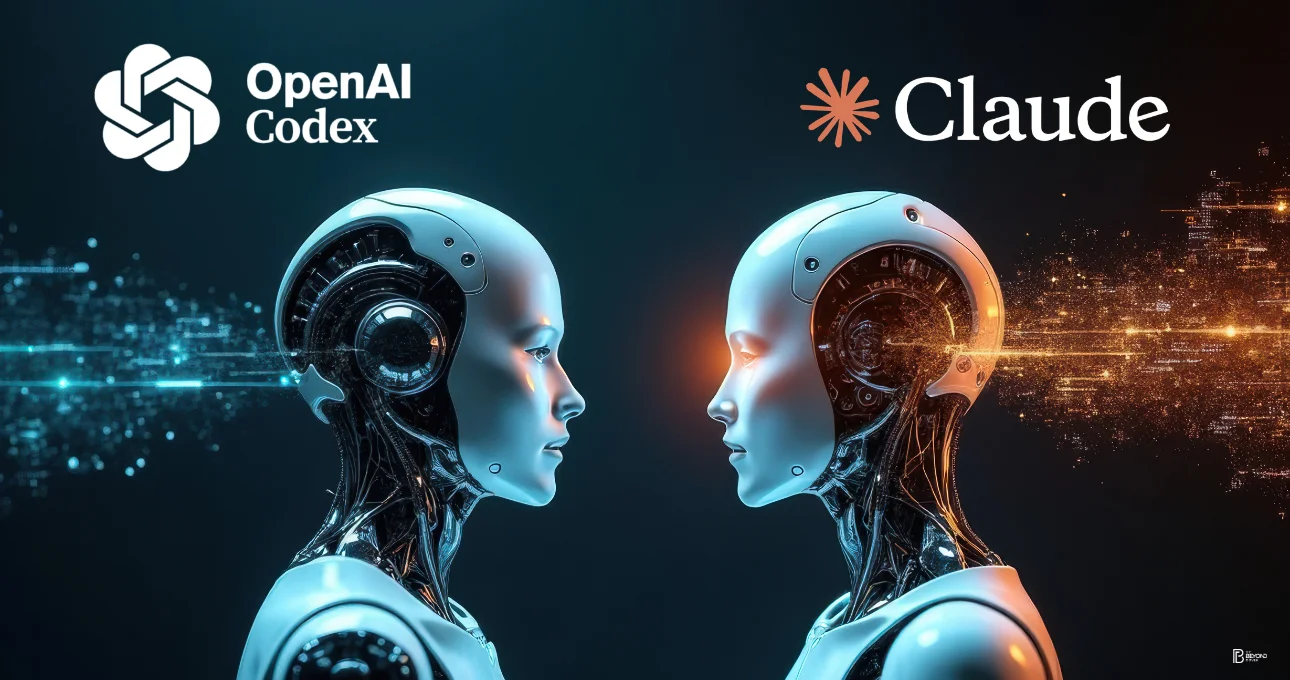
Codex reaching 3 million users marks a tipping point. Industry estimates suggest developers now rely on AI for 40–50% of routine coding tasks, accelerating productivity across teams.
By resetting usage limits, OpenAI is encouraging broader adoption and experimentation– an approach that contrasts with competitors focusing on tighter controls.
Meanwhile, Microsoft continues to expand its enterprise AI footprint, adding further pressure to an already competitive ecosystem.
Collaboration and Competition Shape the Future
The launch of Project Glasswing highlights a rare moment of collaboration among tech giants, focused on improving AI safety through shared intelligence.
At the same time, competitive tensions persist, with companies racing to build faster, smarter, and more scalable AI systems. OpenAI’s evolving strategy reflects a push toward greater independence and innovation.
AI’s Double Edge: Productivity and Risk
These developments underscore AI’s dual impact:
- Massive productivity gains through tools like Codex
- Rising security challenges highlighted by systems like Mythos
While Codex empowers developers and startups to build faster than ever, Mythos demonstrates how powerful AI can also expose vulnerabilities– making security a critical priority.
What This Means for Developers and Enterprises
For developers, the rise of AI tools means faster workflows, reduced manual effort, and greater innovation potential.
For enterprises, it signals the need to balance speed with security, especially as AI becomes deeply integrated into business operations.
For global talent– including India’s growing tech ecosystem– this shift opens new opportunities in AI development, cybersecurity, and intelligent automation.
Final Take: The Race for Scalable and Secure AI
As Codex moves toward 10 million users, expect more incentives, upgrades, and deeper ecosystem integration from OpenAI.
At the same time, Anthropic continues to build powerful, safety-first systems like Mythos behind the scenes– strengthening its position in the AI race.
In today’s AI-driven world, success isn’t just about scale– it’s about building intelligent systems that are both powerful and secure.