









Neo Aims to Redefine Enterprise Productivity by Bringing AI, Collaboration, and Work Management Under One Roof
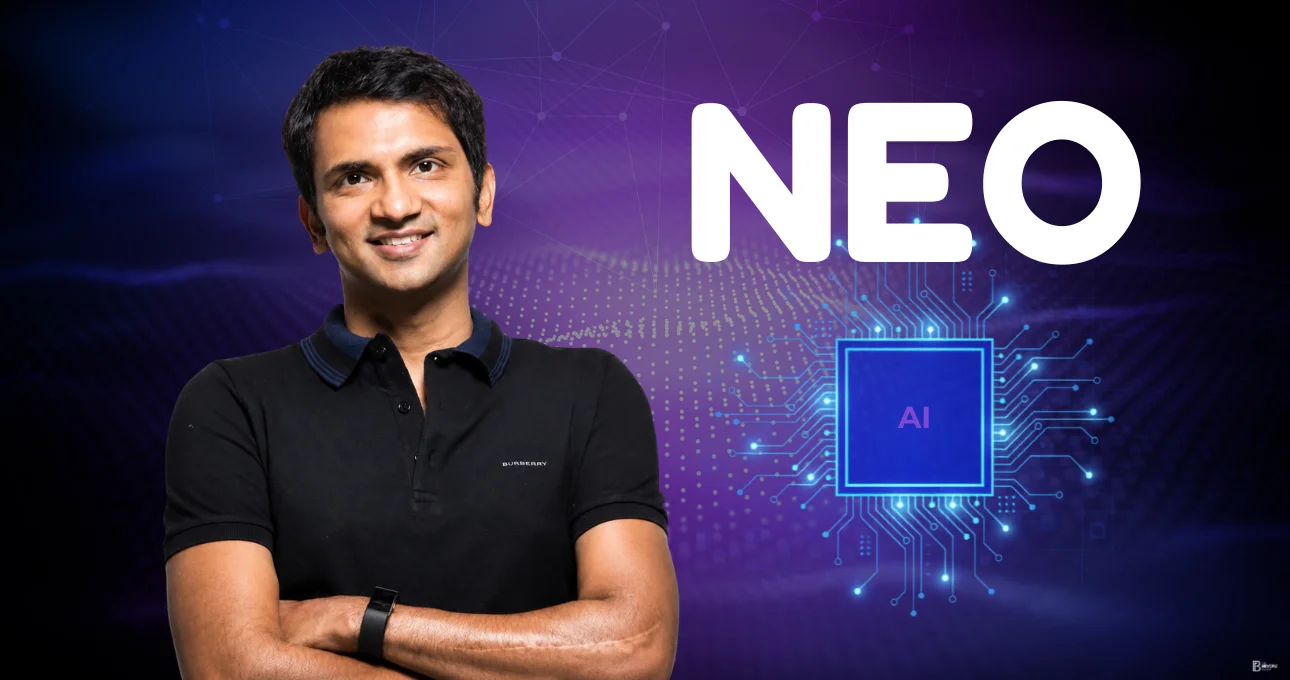
Artificial intelligence is rapidly changing how businesses operate, but many organizations still struggle with one major challenge using multiple disconnected AI tools that fail to work together seamlessly. Addressing this growing gap, entrepreneur Bhavin Turakhia has unveiled Neo, an AI-native work platform backed by a $30 million personal investment. The launch represents a significant step toward creating a unified digital workspace where AI becomes an integral part of daily operations rather than just another productivity add-on.
For businesses, professionals, and technology enthusiasts, this launch is worth paying attention to because it reflects a broader shift in the future of enterprise software. Companies today are no longer looking for standalone AI applications that solve individual tasks. Instead, they want intelligent platforms that simplify workflows, improve collaboration, and enable teams to work more efficiently without constantly switching between different tools.
Neo has been designed as an all-in-one workspace that combines work management, AI assistants, autonomous agents, documents, spreadsheets, diagrams, and real-time collaboration into a single environment. Rather than relying on separate applications for communication, productivity, automation, and content creation, teams can perform these activities within one connected platform. This marks a meaningful departure from the traditional approach where businesses often juggle multiple software solutions to complete everyday work.
The platform’s core philosophy is simple yet ambitious: make AI a natural part of how work gets done. Instead of employees opening separate AI tools whenever they need assistance, Neo integrates artificial intelligence directly into the workflow. Whether teams are drafting documents, organizing projects, analyzing information, coordinating with colleagues, or managing tasks, AI remains available throughout the process. This integrated experience has the potential to reduce unnecessary complexity and help employees stay focused on execution rather than navigating multiple platforms.
The launch of Neo also reflects an important trend shaping the enterprise technology landscape. The next generation of workplace software is increasingly expected to be AI-native, not merely AI-enhanced. Many existing productivity platforms have introduced AI capabilities by adding chatbots or assistant features to products originally built without artificial intelligence in mind. Neo takes a different approach by placing AI at the center of the platform from day one, allowing every feature to be designed around intelligent collaboration and automation.
This distinction matters because enterprises worldwide are becoming increasingly frustrated with fragmented AI adoption. While organizations are experimenting with numerous AI-powered tools, these solutions often operate in isolation, making it difficult to integrate them into existing business processes. Employees frequently switch between applications for project management, documentation, communication, automation, and AI assistance, leading to inefficiencies instead of productivity gains. A unified platform like Neo aims to eliminate that friction by bringing these capabilities together in one cohesive workspace.
Another reason this launch has attracted attention is the entrepreneur behind it. Neo marks Bhavin Turakhia’s fifth startup, following the successful creation of Directi, Radix, Titan, and SoftBank-backed Zeta. His track record of building and scaling technology companies across multiple sectors lends significant credibility to this new venture. It also signals his strong conviction that AI-native platforms will play a central role in shaping the future of enterprise software.
Turakhia’s latest venture suggests that artificial intelligence should not simply be viewed as another productivity feature but as the foundational layer powering future work systems. This perspective aligns with the growing demand from businesses seeking technology that actively contributes to workflows instead of merely assisting users with isolated tasks.
The timing of Neo’s launch is particularly significant as enterprises continue searching for practical AI solutions that deliver measurable business value. Organizations are increasingly moving beyond AI demonstrations and experimental pilots, focusing instead on platforms that enhance productivity, improve coordination, simplify operations, and support real-world business processes. Solutions capable of integrating AI into everyday execution are likely to gain greater relevance as digital transformation accelerates across industries.
If Neo successfully delivers on its vision, it could become an attractive option for enterprises looking to embed AI directly into how teams collaborate, manage projects, create content, and execute work. The larger opportunity lies in redefining workplace software– not as passive tools employees operate, but as intelligent systems that actively participate in completing tasks alongside them.
Bhavin Turakhia’s $30 million investment in Neo is more than the launch of another technology startup. It reflects a growing belief that the future of enterprise productivity will belong to AI-native platforms capable of unifying workflows, reducing operational complexity, and transforming how businesses work. As organizations continue adopting artificial intelligence at scale, Neo enters the market with an ambitious vision that could influence the next generation of enterprise collaboration and workplace technology.