









In a bid to tackle the computing power that is one of the chief bottlenecks in the AI race, Anthropic has made a high-profile acquisition of talent from Google.
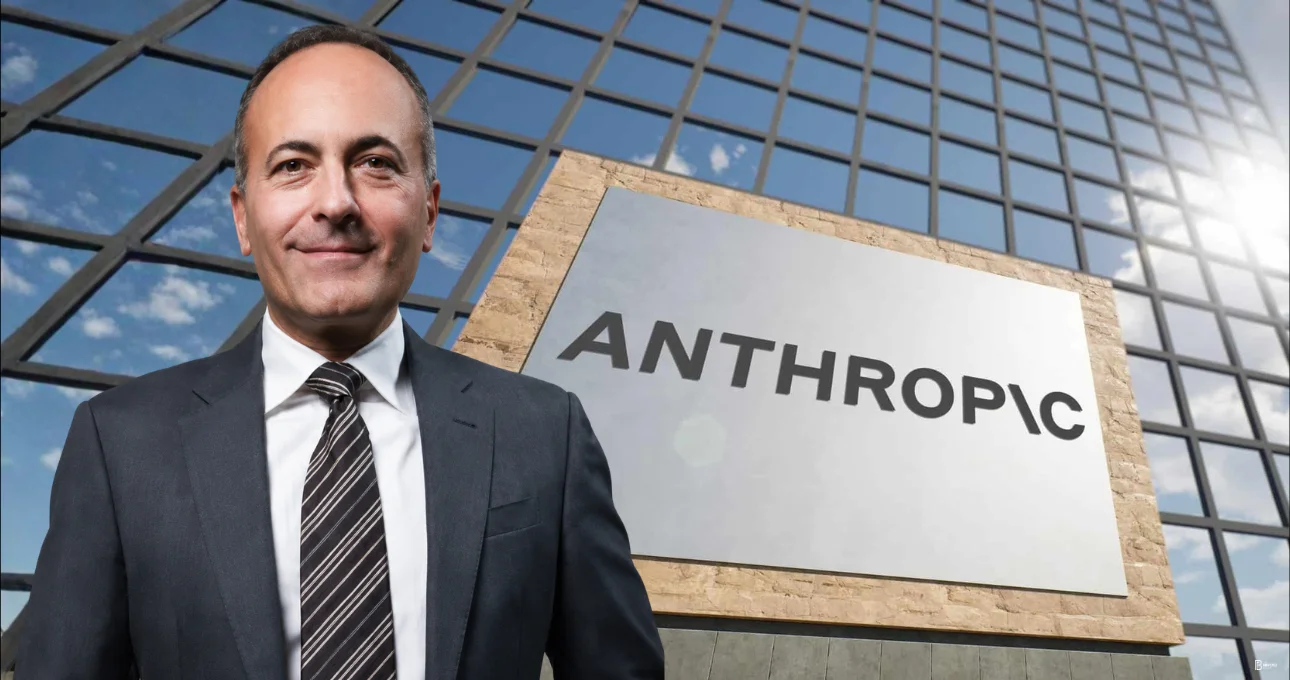
The company behind Claude has brought on Amir Salek, the architect of Google’s TPU programme. Salek will be part of the compute team under James Bradbury, head of compute platform engineering. His role at Google was no small matter; as the founder and leader of its custom chip division from 2013 to 2022, he was responsible for seeing the first seven generations of Tensor Processing Units through to development and into data centres.
Why Amir Salek’s Anthropic Hire Matters
Salek is not just another senior engineer. He has an uncommon depth of knowledge when it comes to AI silicon design, having previously helped put together the system-on-chip business at NVIDIA before his long tenure at Google. In appointing him, Anthropic is sending a clear signal that it intends to have more say over the hardware that runs its models, rather than being a mere purchaser of GPUs. For an organisation of its size, that could translate to better command of costs and capacity down the line.
Anthropic’s Bigger Bet on Custom AI Silicon
This is part of a concerted effort by Anthropic to wean itself off suppliers like Amazon, Google and NVIDIA. The company has already put in place capacity agreements with Volta and Riot Platforms for the power and data-centre resources required for training and inference. And in August 2026, it placed a $250 million order for chips with Fractile, the UK startup, though those inference units are not due to arrive until 2027.
Why AI Labs Are Building Their Own Chips
Anthropic is hardly the only one to see the value in proprietary hardware. OpenAI is working with Broadcom on a chip of its own, the Jalapeno, which is slated for deployment in late 2026. The logic is plain: at the scale of today’s AI, hardware is a strategic asset. Custom accelerators offer a way to cut costs, tailor equipment to the model and avoid reliance on a handful of GPU vendors. It is a trend that established players such as NVIDIA would do well to monitor, as the market may well become more varied if their biggest clients start shifting workloads to in-house solutions.
What Comes Next for Anthropic’s AI Chip Strategy
All eyes will be on whether the company eventually unveils a chip family of its own. One will have to wait and see how much of Claude’s workload is diverted from NVIDIA to in-house or Fractile technology.
But the implications are broader. As AI labs vie to produce ever more capable models, the compute side of the equation is taking on equal importance to the software. With people like Salek in the field, the next round of competition in AI is likely to be decided as much within the chips as in the code.