










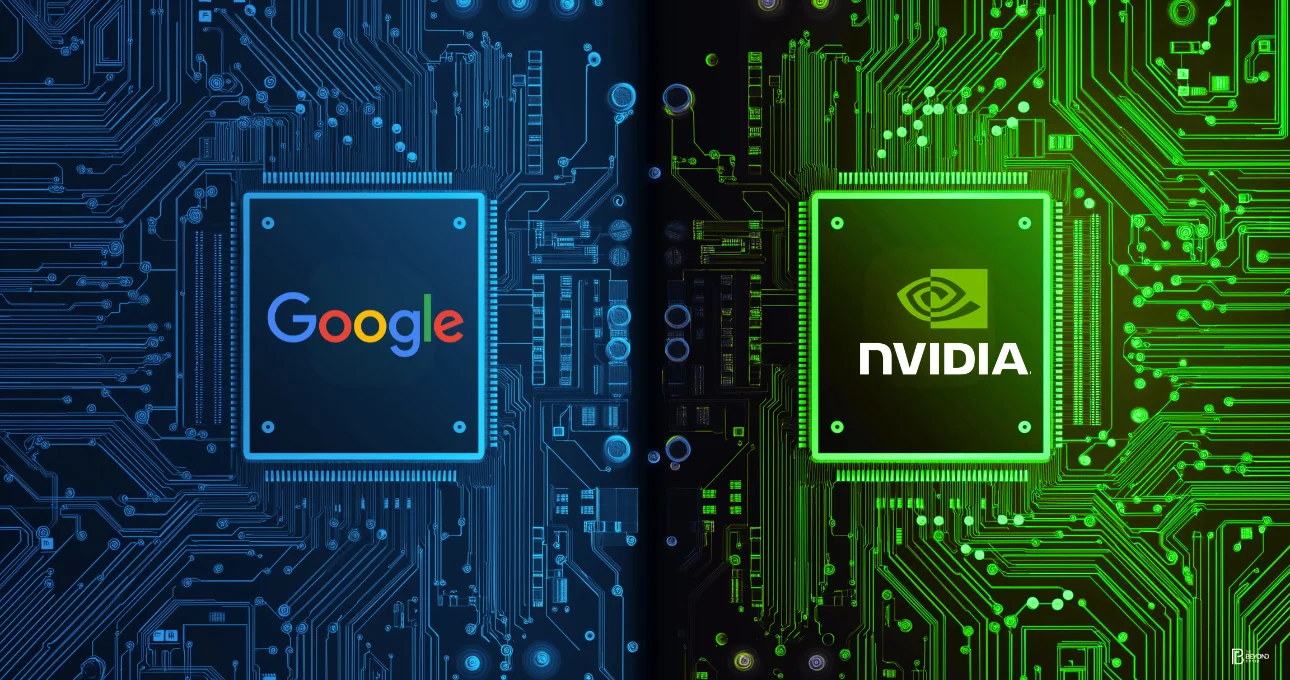
Google Is Expanding Beyond Cloud Services
The race for artificial intelligence dominance is no longer just about building smarter AI models. Increasingly, the battle is being fought at the infrastructure level, where computing power has become one of the most valuable resources in technology.
Google is now making a significant move in this space by pushing its Tensor Processing Units (TPUs) more aggressively to external customers through Google Cloud. While the company has been developing custom AI chips for years, its strategy is becoming more outward-facing. Instead of using TPUs primarily for internal workloads, Google is positioning them as a viable alternative to Nvidia’s GPUs for enterprises and data centers.
This shift signals Google’s ambition to transform its in-house silicon expertise into a competitive AI chip business.
Why Google’s TPU Strategy Matters
Nvidia currently dominates the AI accelerator market, powering many of the world’s most advanced AI systems. However, as demand for AI computing continues to surge, businesses are increasingly looking for alternatives that can deliver both performance and cost efficiency.
Google believes TPUs can fill that gap.
Reports suggest that TPU pricing can be significantly lower than comparable Nvidia hardware, making them an attractive option for organizations managing large-scale AI workloads. For businesses investing heavily in AI, infrastructure costs have become a critical consideration, and lower-cost alternatives could influence purchasing decisions.
If Google can demonstrate that its chips are capable of handling AI training and inference at scale, it could attract more enterprise customers and gradually challenge Nvidia’s dominance.
Building Control Over the AI Stack
Google’s strategy extends beyond TPUs alone.
The company is also investing in its broader hardware ecosystem, including its Arm-based Axion CPU line. Together, these technologies form part of a larger effort to gain greater control over the AI stack– from infrastructure and hardware to cloud services and AI deployment.
Owning more of the technology stack gives Google advantages in performance optimization, cost management, and supply flexibility. In an industry where access to computing resources has become a strategic bottleneck, these advantages can be significant.
By reducing reliance on external suppliers, Google is positioning itself to compete more effectively in the rapidly growing AI infrastructure market.
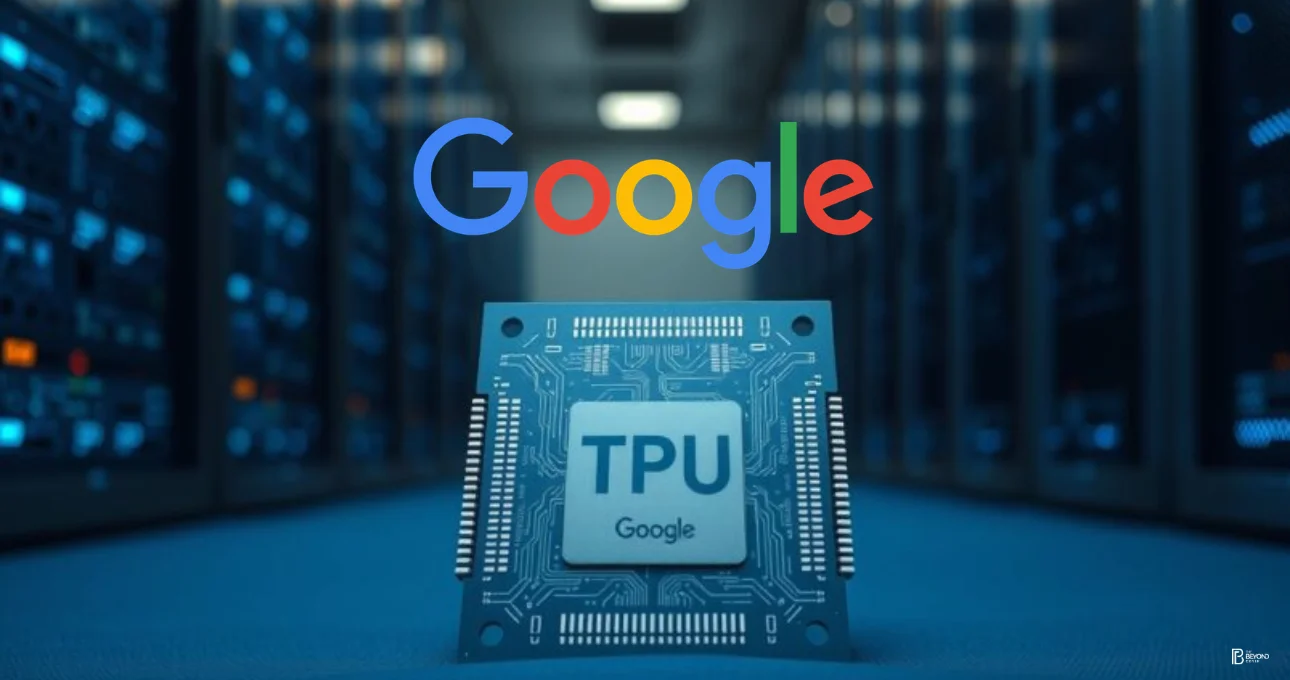
Google’s Biggest Advantage Over Traditional Chipmakers
One of Google’s strongest advantages is that it is not just a chip manufacturer.
As one of the world’s largest cloud providers, Google can combine hardware, software, AI tools, and cloud infrastructure into a single enterprise offering. This integrated approach allows customers to access computing power and deployment capabilities through one platform.
The company is also reportedly attracting interest from major AI players such as Meta and Anthropic. If more large organizations adopt TPUs, it would strengthen Google’s position as a credible alternative in the AI hardware market.
The Bigger Picture
The competition between Google and Nvidia is ultimately about controlling the economics of AI.
Nvidia built its leadership position by becoming the preferred provider of AI computing infrastructure. Google is now attempting to challenge that model by leveraging its cloud ecosystem and custom silicon capabilities.
For businesses, increased competition could lead to lower costs, greater innovation, and more choices in AI infrastructure. However, winning the AI chip market requires more than powerful hardware. Software support, developer trust, and ecosystem adoption will play equally important roles.
The Bottom Line
Google’s decision to commercialize its TPUs more aggressively marks a major development in the AI industry. By combining custom chips, cloud infrastructure, and an expanding hardware roadmap, the company is positioning itself as a serious challenger to Nvidia.
As the demand for AI computing continues to grow, the future may not be defined by a single dominant provider. Instead, the industry could move toward a more competitive ecosystem where organizations have greater flexibility in choosing how they build and scale AI solutions.