









New Age of Individual AI Computing Arrives
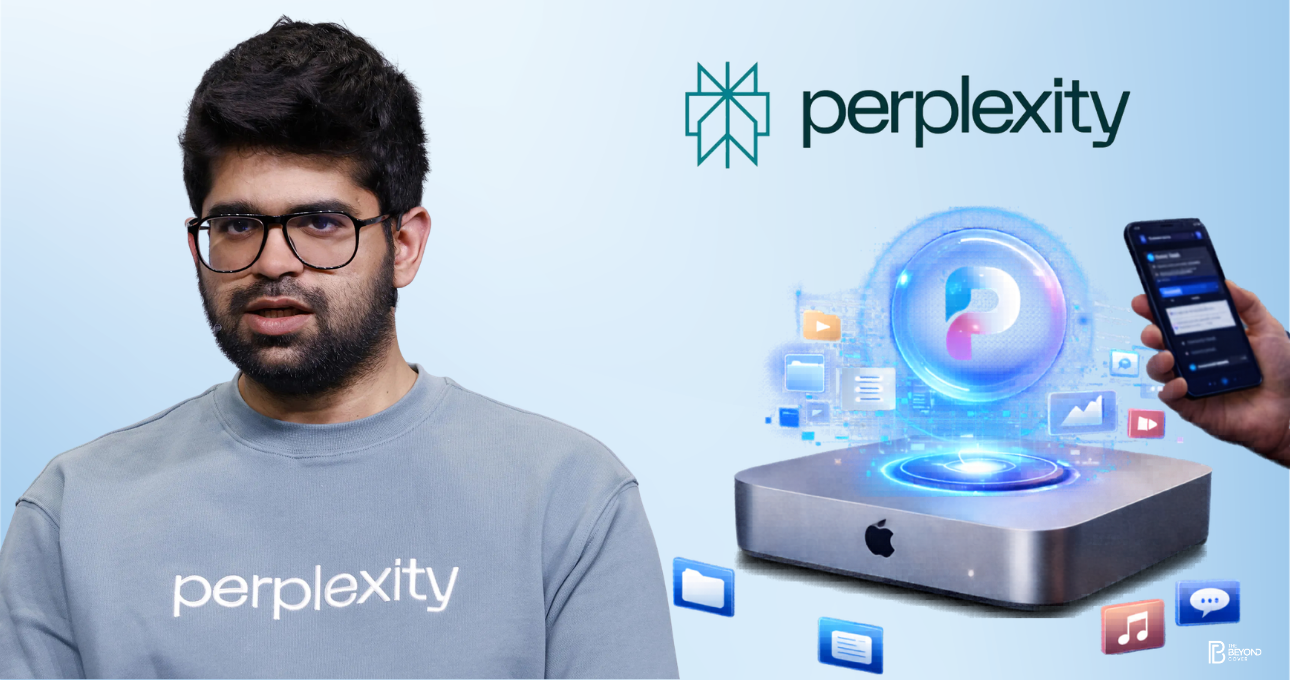
Perplexity AI has introduced the Personal Computer, a specialized Mac mini-based unit engineered to host its Comet helper as a constantly active local artificial intelligence entity. This hardware enables users to interact with local files, running programs, and ongoing sessions while the AI handles tasks directly on the machine itself.
This hardware signifies a major advance toward user-friendly AI entities that merge cloud intelligence with personal desktop operations. Rather than relying solely on distant servers, the physical unit keeps the AI running locally, permitting users to manage it remotely from any gadget.
With a price tag of $499, this simple plug-and-play hardware is projected to begin shipping in the second quarter of 2026. It utilizes a tailored variant of macOS equipped with Perplexity’s dedicated agent software and is powered by the Apple M4 processor built on Apple’s proprietary silicon.
Unlike typical web-based aids, this setup preserves contextual memory, allowing it to scan documents, modify spreadsheets, and handle electronic mail without transmitting sensitive material off the hardware.
Individuals can control the system from afar using the Perplexity application or its web portal, guaranteeing effortless access from mobile phones, tablets, or notebook computers. Security remains paramount, featuring comprehensive encryption and user authorization controls for actions like erasing files or installing software.
Main Capabilities of Perplexity’s Personal Computer
Continuous AI Operation
The Mac mini hardware stays powered constantly, hosting the Comet AI assistant which remains linked to local software applications like the file explorer, development tools, and creative suites.
Since the AI runs without stopping, it can sustain context across different assignments—a hurdle often faced by standard assistants.
Full Hardware Access
The Comet assistant has the ability to navigate files, start applications, and sustain active web browsing sessions. For instance, it can gather data using several AI models while concurrently drafting summaries or organizing paperwork.
Remote Direction From Any Gadget
Users can manage the unit via iPhone, Android, or web interfaces, with live display sharing available for monitoring. The AI can also suggest actions—such as tidying up receipts or condensing reports—before executing them pending user sign-off.
Safeguards and Privacy Measures
Perplexity has incorporated multiple safety barriers to safeguard user information:
- Records detailing every AI action performed
- An emergency stop function that immediately halts all AI activity
- Zero data transmission to the cloud without express user permission
- Adherence to global mandates including GDPR and India’s DPDP Act
Flexible Processing Capability
The M4 chip supports sophisticated tasks involving multiple data types, such as analyzing documents and editing media. For more demanding processes—like video creation—users have the option to connect an external graphics processing unit dock.
Connection Within Perplexity’s AI Framework
This new hardware expands upon Perplexity’s Computer agent, which was released in January 2026. This framework manages tasks across over twenty distinct AI models, including those from major industry leaders.
The platform also interfaces with more than 400 applications, encompassing tools for productivity and collaboration. Examples feature team messaging services, office software suites, and simple automation utilities.
This linkage permits users to execute processes that blend local computation and cloud-based reasoning. For example, the AI might examine sales figures on the local machine, derive conclusions using remote models, and automatically forward summaries to colleagues.
Strategic Effect on the AI Hardware Sector
With this launch, Perplexity AI is broadening its scope beyond its search platform into the expanding edge AI hardware space, which market watchers project could reach $100 billion in value.
The company now enters a bustling arena also featuring emerging hardware and software frameworks from major tech giants.
According to Aravind Srinivas, the objective is to deliver advanced AI capabilities directly to individuals and smaller enterprises.
He characterized the hardware as a method to “widen access to agentic AI,” allowing users to run potent AI assistants from their own workstations while retaining command over their private data.
Increasing Interest From Developers and Content Creators
Early testers—including programmers and digital artists—have emphasized the system’s advantages for output. By automating mundane tasks such as research, file handling, and workflow arrangement, the AI frees users to concentrate on more creative and strategic work.
The device could also support remote education, new ventures, and small firms, especially in areas where accessible AI solutions are increasingly vital.
Hurdles and Future Prospects
While enthusiasm for the hardware is rising, commentators have voiced worries regarding potential privacy and security hazards related to AI assistants with deep system access.
Perplexity maintains that built-in safeguards—comprising confirmation requests, activity logs, and the emergency stop—assist in mitigating these dangers.
The company has already received over 100,000 requests for beta invites, indicating substantial excitement for the new offering. Production is anticipated to be managed through Foxconn, and Perplexity has hinted at future expansions—possibly including a future “Personal Phone” device aimed at Android users.
As AI assistants grow more sophisticated, the Personal Computer signals an important shift: transitioning AI from a network-dependent service to an always-available personal computing partner that might change how people engage with technology daily.