










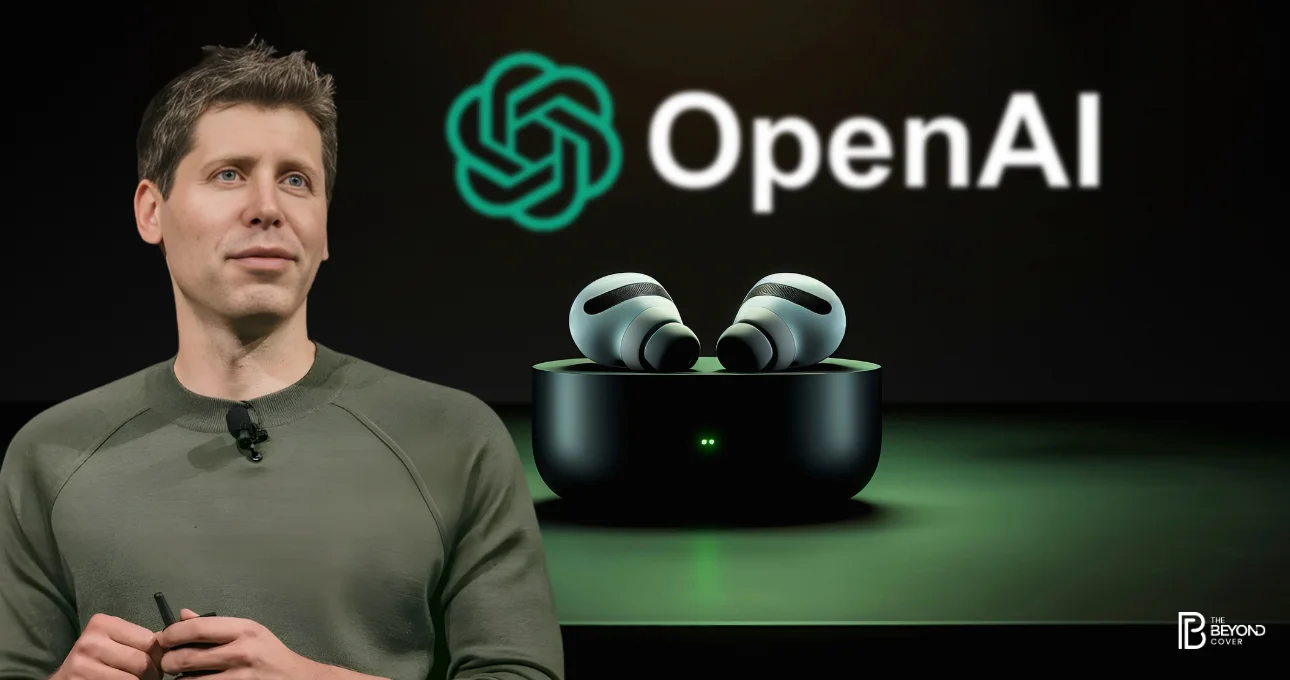
OpenAI’s much-anticipated entry into consumer hardware may look very different from early speculation. According to recent reports, OpenAI’s first mystery AI device is likely an audio-based headset, not an AI-powered pen or screenless gadget as previously rumored. The development signals a more practical and conversational direction for OpenAI’s hardware ambitions, closely aligned with how users already interact with artificial intelligence.
The project is reportedly linked to OpenAI CEO Sam Altman and legendary designer Jony Ive, whose collaboration has fueled widespread curiosity about what an “AI-native” device could look like.
From AI Pen Rumors to Audio-First Reality
Initial speculation suggested OpenAI was working on a screenless AI pen or pocket-sized device designed to replace smartphones. However, sources now indicate that the company is focusing on an audio headset form factor, optimized for voice-first AI interactions.
An audio headset would allow users to interact with AI continuously and naturally, without relying on screens or keyboards. This approach aligns with OpenAI’s core strength: conversational AI systems like ChatGPT, which are increasingly used through voice interfaces.
Rather than reinventing human-computer interaction entirely, OpenAI appears to be refining it—making AI more ambient, accessible, and always available.
Why an Audio Headset Makes Strategic Sense
Industry analysts say an AI-powered headset offers several advantages over more experimental hardware concepts. Voice is already one of the most intuitive ways humans interact with machines, and advances in speech recognition, real-time reasoning, and contextual awareness make audio-first devices increasingly viable.
An AI headset could support:
- Real-time conversation with AI assistants
- Context-aware reminders and prompts
- Language translation and transcription
- Hands-free access to information
- Integration with smartphones and other devices
This would position OpenAI’s device closer to wearable AI than standalone gadgets—competing indirectly with smart earbuds, AR glasses, and voice assistants.
The Jony Ive Factor
The involvement of Jony Ive, former chief designer at Apple, has raised expectations around the device’s design philosophy. Ive is known for prioritizing simplicity, human-centered design, and seamless integration between hardware and software.
Reports suggest the OpenAI-Ive collaboration is focused on creating a device that feels less intrusive than a smartphone and more like a natural extension of daily life. An audio headset fits that vision, offering subtle, always-on AI without demanding constant visual attention.
Competing in a Crowded AI Hardware Space
The AI hardware market is heating up rapidly. Companies like Apple, Meta, Google, and startups are all exploring AI-powered wearables and voice-first devices. However, many existing products rely on assistants that are limited in reasoning and conversational depth.
OpenAI’s advantage lies in its frontier AI models, which can handle complex queries, maintain context, and adapt responses dynamically. Embedding this intelligence into a headset could differentiate the product from traditional smart audio devices.
Still, challenges remain—particularly around battery life, privacy, and user trust.
Privacy and Always-On Concerns
An always-listening AI headset raises inevitable concerns about data collection and surveillance. Users will want clear controls over when the device is active, what data is stored, and how conversations are processed.
OpenAI has previously emphasized responsible AI deployment, but translating those principles into consumer hardware will be critical for adoption. Transparent privacy settings and on-device processing could play a key role.
What This Signals About OpenAI’s Hardware Vision
If the reports are accurate, OpenAI is signaling that its first hardware product will prioritize utility over spectacle. Rather than a radical new form factor, the company appears focused on delivering immediate value through voice-based AI assistance.
This approach suggests OpenAI sees hardware not as a replacement for smartphones, but as a complementary AI layer that enhances how people access intelligence in real time.
What Comes Next
OpenAI has not officially confirmed details about the device, and timelines remain unclear. However, expectations are high that the company will reveal more in the coming months.
If successful, an AI-powered audio headset could mark the beginning of a new category: ambient AI devices designed around conversation, context, and continuous assistance.