









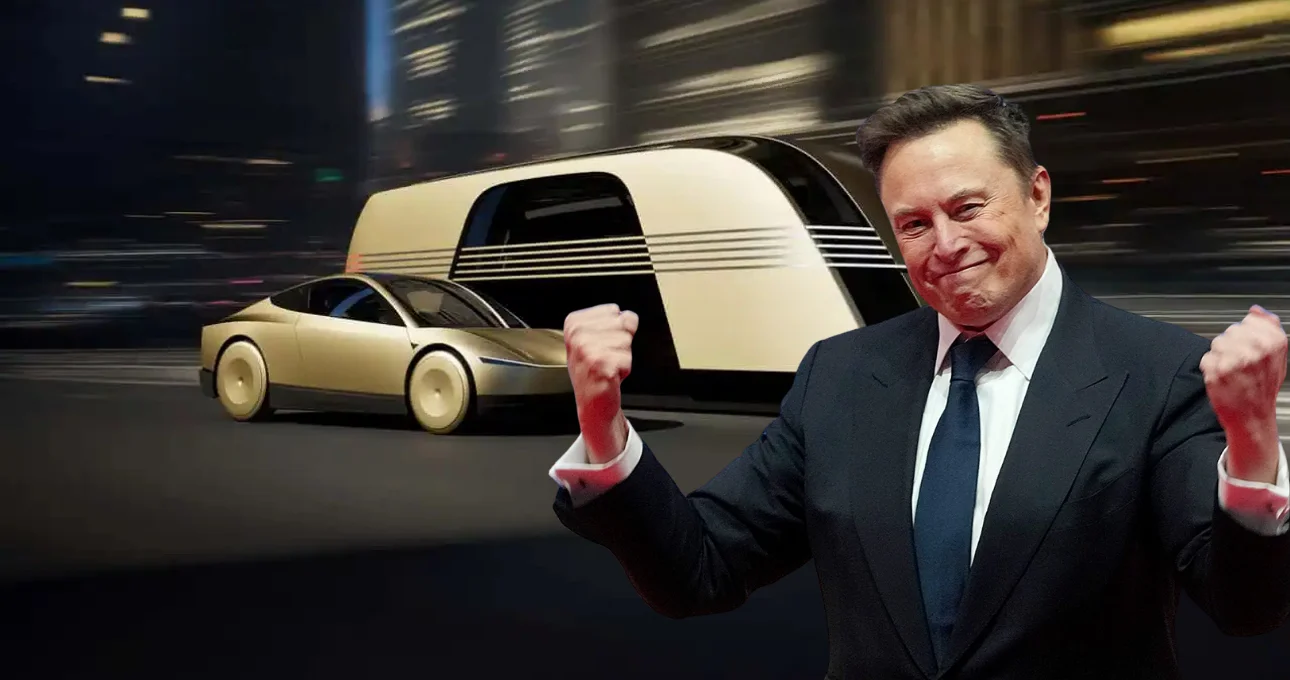
Tesla is accelerating its global autonomous driving ambitions, and this time, two major regions—India and the United Arab Emirates (UAE)—are officially joining the company’s expanding pilot program for its Robotaxi fleet. This marks one of Tesla’s most significant international rollouts, positioning both nations at the forefront of next-generation AI-driven transportation.
The expansion comes as Tesla continues to refine its Full Self-Driving (FSD) system, powered by the company’s latest AI stack and redesigned neural networks. With India and the UAE now in the testing lineup, Tesla is sending a clear message: autonomous mobility is no longer a distant future—it’s arriving globally, faster than expected.
Why India and UAE? Tesla’s Strategic Choice
Both nations offer unique advantages for real-world autonomous vehicle testing.
India: A High-Complexity Traffic Environment
India has some of the world’s most unpredictable and dynamic road scenarios. From dense urban lanes to mixed traffic involving cars, two-wheelers, rickshaws, buses, and pedestrians, India provides the ultimate real-world stress test for Tesla’s advanced driving algorithms.
Testing in such conditions allows Tesla to:
- Strengthen its computer vision models
- Train AI for diverse road patterns
- Improve safety in chaotic traffic
- Scale FSD reliability worldwide
Integrating Indian road data could significantly boost Tesla’s global FSD deployment readiness.
UAE: A Tech-Forward, Regulation-Friendly Hub
The UAE’s modern roads, smart mobility infrastructure, and supportive regulatory environment make it ideal for controlled and scalable robotaxi deployment.
Dubai and Abu Dhabi are already committed to transforming into autonomous mobility leaders by 2030, making them natural early partners for Tesla’s global rollout.
What the Robotaxi Tests Will Include
Tesla’s fleet will test:
- Autonomous navigation in mixed traffic
- Real-time decision-making in unfamiliar road systems
- High-speed lane management on highways
- Urban pickup and drop routes
- AI mapping improvements through continuous learning
In India, the tests will begin in metros like Bengaluru, Delhi, and Mumbai, while the UAE rollout is expected to start in Dubai’s autonomous mobility zones.
How This Benefits India & UAE
1. Boost to AI and Autonomous Tech Ecosystems
Both nations are nurturing advanced tech sectors. Tesla’s presence will attract investments, partnerships, and innovation in mobility and AI.
2. Potential Reduction in Congestion and Emissions
Robotaxis could reduce the number of vehicles on the road and support clean energy transitions.
3. Skill Development & Job Creation
Despite fears about automation replacing jobs, autonomous mobility also creates opportunities in:
- Fleet monitoring
- Software testing
- Vehicle maintenance
- AI data labeling and training
4. Support for Smart City Visions
This aligns perfectly with initiatives like the UAE’s Smart Mobility Strategy and India’s Smart Cities Mission.
Tesla’s Bigger Plan: The Global Robotaxi Network
With tests now spanning the U.S., Europe, parts of Asia, India, and the Middle East, Tesla is pushing closer toward launching a global Autonomous Taxi Network—where users can summon a Tesla with no driver involved.
If successful, this would reshape:
- Urban transportation
- Ride-hailing (competitive to Uber/Ola)
- Commute costs
- Energy consumption patterns
Final Thoughts
Tesla expanding Robotaxi tests to India and the UAE marks a turning point in autonomous mobility. The move not only strengthens Tesla’s global footprint but also opens massive opportunities for emerging markets to become early adopters of fully autonomous, AI-driven transportation.