









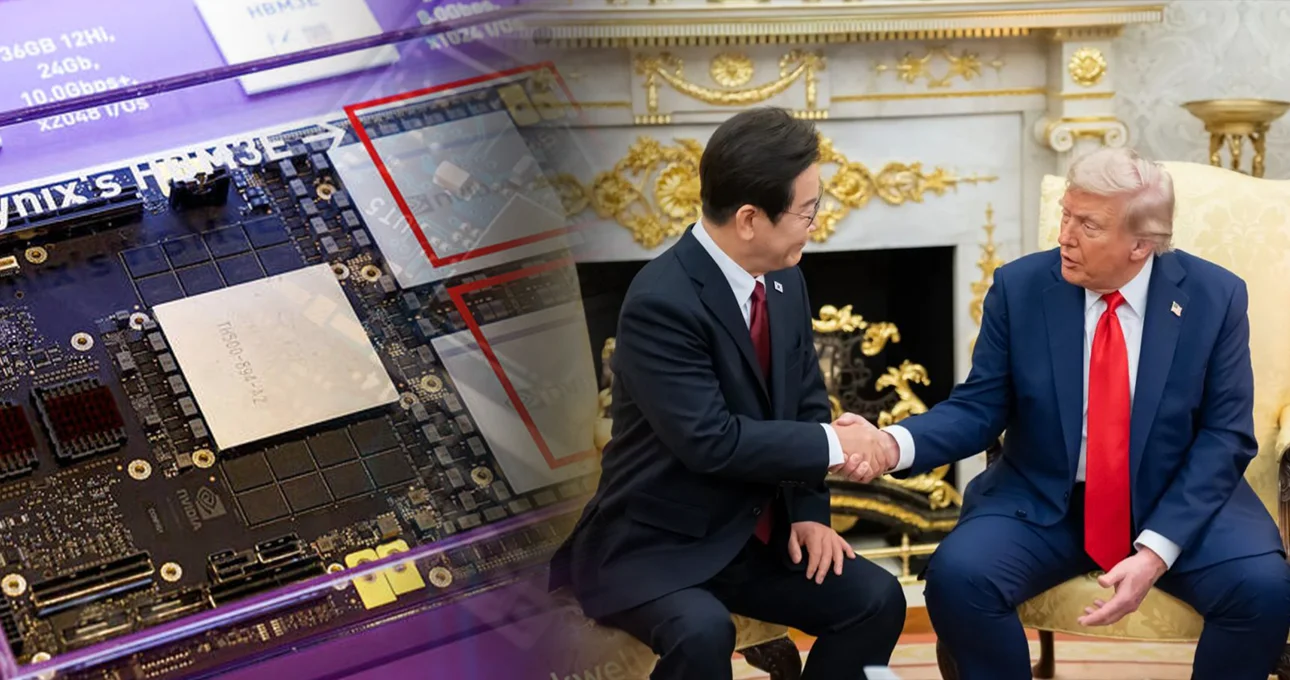
South Korea is set to enter negotiations with the United States to secure more favorable tariff terms for semiconductors, as global competition and trade pressures reshape the chip industry. A senior government official said the talks will focus on protecting South Korean chipmakers from potential cost increases and maintaining the country’s competitiveness in the strategically vital semiconductor sector.
The move comes amid heightened scrutiny of global chip supply chains and growing efforts by the US to strengthen domestic semiconductor manufacturing through trade and industrial policy.
Protecting a Strategic Industry
Semiconductors are a cornerstone of South Korea’s economy, accounting for a significant share of exports and industrial output. Global leaders such as Samsung Electronics and SK Hynix play a crucial role in supplying memory chips and advanced components to markets worldwide, including the US.
South Korean officials have expressed concern that higher tariffs or restrictive trade measures could disrupt supply chains, raise costs for manufacturers, and weaken the competitiveness of Korean firms in the global market. Negotiating favorable tariff conditions is seen as essential to sustaining long-term growth in the industry.
Context of US Trade and Chip Policies
The planned negotiations come as the US continues to recalibrate its semiconductor trade policy, balancing national security concerns with the need for stable global supply chains. Washington has introduced incentives to encourage domestic chip manufacturing, while also reviewing tariff structures and import rules for advanced technology components.
For South Korea, a key US ally and major technology partner, the goal is to ensure that its semiconductor exports are not adversely affected by policy shifts. Officials said discussions will emphasize the mutual benefits of cooperation, including supply chain resilience and technological leadership.
Key Issues on the Table
The negotiations are expected to cover tariff rates on various semiconductor products, including memory chips, logic chips, and semiconductor equipment. South Korea may also seek clarity on long-term trade conditions to provide certainty for manufacturers making multi-billion-dollar investment decisions.
Another area of focus is alignment on global semiconductor standards and supply chain security, as both countries face competition from other major chip-producing regions. Analysts say South Korea is likely to argue that stable and predictable tariff terms are essential for continued investment and innovation.
Industry and Market Implications
Any changes to chip tariffs could have ripple effects across the global electronics industry, affecting everything from smartphones and automobiles to data centers and artificial intelligence infrastructure. Favorable terms for South Korean exporters would help limit cost pressures on US companies that rely on Korean-made chips.
Industry experts note that cooperation between South Korea and the US is critical at a time when demand for semiconductors is being driven by AI, cloud computing, and advanced manufacturing.
Diplomatic and Economic Significance
The talks also carry broader diplomatic significance. South Korea and the US have strengthened economic and security ties in recent years, with technology cooperation emerging as a key pillar of the relationship. Successfully negotiating favorable tariff conditions could reinforce trust and collaboration between the two allies.
Looking Ahead
Officials indicated that negotiations will begin in the coming months, with outcomes likely to influence investment strategies and supply chain planning across the semiconductor sector. While challenges remain, both sides have a strong incentive to reach an agreement that supports innovation and economic stability.
As global competition intensifies, South Korea’s push for favorable chip tariff terms underscores the growing importance of tech diplomacy in shaping the future of the semiconductor industry.