









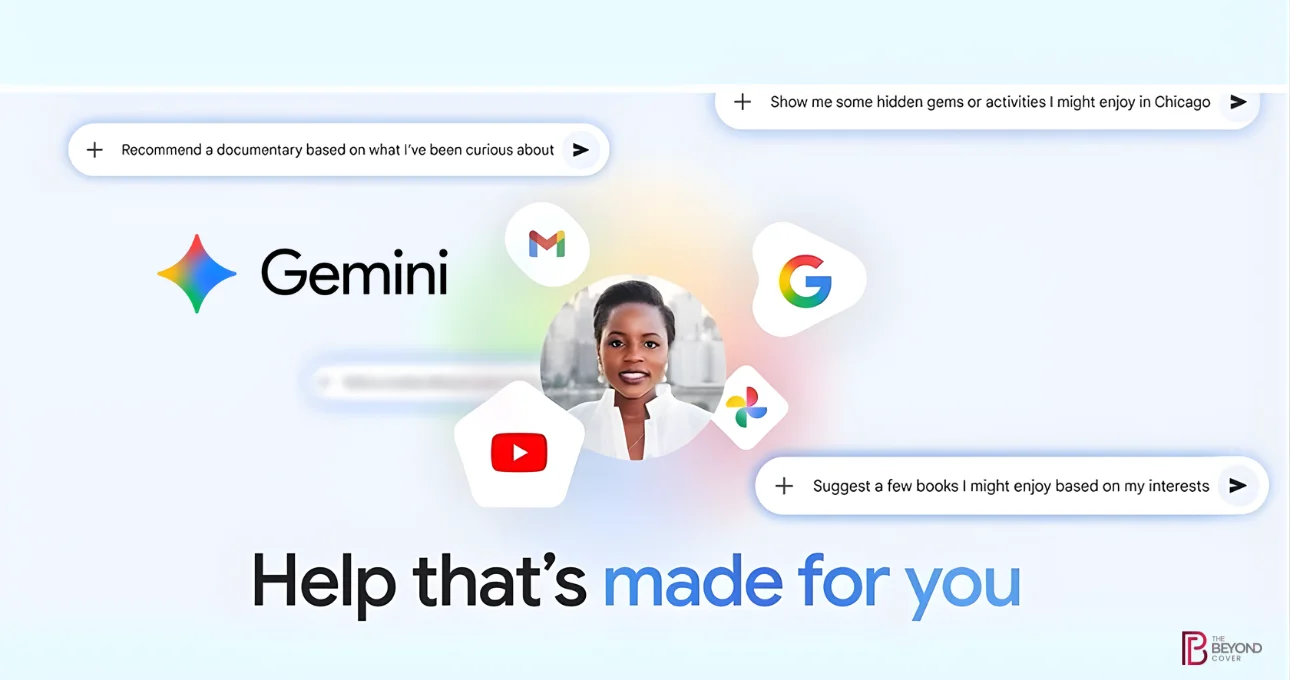
Google is pushing its AI ambitions into a more personal, context-aware era. With the introduction of personal intelligence capabilities in Gemini, Google’s flagship AI model can now connect directly with key Google apps to deliver highly personalized, relevant answers. This move signals a shift from generic AI responses to assistants that understand individual context, preferences, and workflows.
Rather than acting as a standalone chatbot, Gemini is evolving into a deeply integrated personal AI assistant—one that can reason across emails, documents, calendars, and other Google services to provide answers tailored to each user.
From General AI to Personal Intelligence
Until now, most generative AI systems have operated in isolation. They respond to prompts using general knowledge, without direct awareness of a user’s personal data or daily activities. Google’s latest update changes that dynamic.
By securely connecting Gemini to apps like Gmail, Google Docs, Google Drive, and Google Calendar, Google is enabling the model to understand context that only the user can provide. This allows Gemini to deliver responses that are not just accurate, but personally meaningful.
For example, instead of asking a user to search through emails or documents manually, Gemini can summarize relevant information, surface deadlines, or answer questions based on existing files and conversations.
This is a critical step toward contextual AI, where intelligence is shaped by personal data—used with permission—rather than generic training alone.
How Gemini’s App Integration Works
Gemini’s personal intelligence features rely on app-level integration rather than open-ended data access. Users choose when and how Gemini connects to their Google apps, maintaining control over privacy and data usage.
Once enabled, Gemini can:
- Pull context from emails to answer follow-up questions
- Reference documents and spreadsheets for summaries or insights
- Use calendar data to manage schedules or highlight conflicts
- Analyze stored files to retrieve specific details quickly
This makes Gemini less of a search tool and more of a personal knowledge layer that sits across Google’s ecosystem.
The result is a more fluid experience, where users interact with information conversationally instead of jumping between apps.
Why This Matters for Productivity
Personal intelligence unlocks new productivity gains, especially for professionals managing large volumes of information. Instead of switching contexts, users can ask Gemini natural-language questions like:
- “What were the key points from last week’s meeting?”
- “Which documents mention this client?”
- “What deadlines do I have coming up related to this project?”
By synthesizing data across apps, Gemini reduces friction and cognitive load. This approach aligns with Google’s broader strategy of making AI assistive, not intrusive—supporting workflows without forcing users to change how they work.
For enterprises and knowledge workers, this could significantly reduce time spent on information retrieval and organization.
Personalization Without Losing Control
One of the biggest concerns around personalized AI is privacy. Google has emphasized that Gemini’s personal intelligence features are designed with user control and transparency in mind.
Users can see when Gemini is accessing app data, manage permissions, and disable connections at any time. Importantly, the system is designed to use data only to fulfill user requests, not to train models without consent.
This approach reflects growing awareness that trust is essential for adoption. As AI becomes more embedded in personal workflows, privacy-by-design is no longer optional.
Competitive Pressure in the AI Assistant Race
Google’s move comes amid intense competition in the AI assistant market. Rivals are racing to build agents that can act across apps, automate tasks, and provide contextual insights.
By leveraging its existing ecosystem of widely used productivity tools, Google has a natural advantage. Gemini’s integration across Google apps positions it as a strong contender in the race toward agentic AI—systems that can reason, plan, and act on behalf of users.
Rather than focusing solely on model size or benchmarks, Google is betting on utility and integration as the next differentiator.
The Bigger Picture: AI That Knows You
Gemini’s personal intelligence update reflects a broader industry shift. AI is moving from being informative to being intimately useful. The future of AI assistants lies in understanding not just language, but context, intent, and personal relevance.
As AI systems become more capable, the challenge will be balancing personalization with trust. Google’s latest step suggests that the next phase of AI adoption will be driven less by novelty and more by how seamlessly AI fits into daily life.
Conclusion: A Step Toward Truly Personal AI
With personal intelligence and deep app integration, Gemini is evolving beyond a general-purpose chatbot into a context-aware digital assistant. By connecting securely to Google apps, it delivers personalized answers that reflect how people actually work and live.
This shift could redefine expectations for AI assistants—moving the industry closer to a future where AI doesn’t just respond, but understands.