










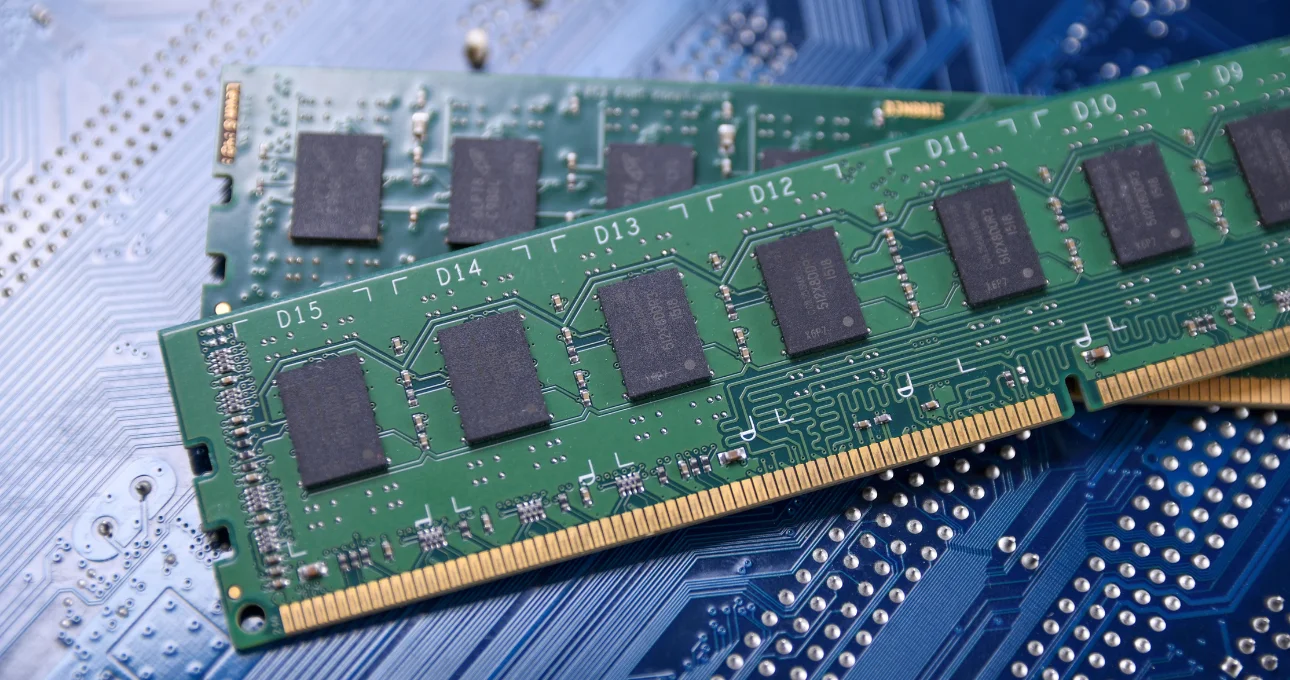
The world’s sudden and explosive demand for AI infrastructure is creating ripple effects far beyond data centers — and one of the biggest casualties is RAM affordability. As major AI labs like OpenAI, Google, Meta, and Anthropic continue to race for larger models and faster training speeds, they are buying memory components at an unprecedented scale. The result? A global RAM shortage that is now spilling over into consumer electronics, driving up prices for PCs, laptops, gaming consoles, and even smartphones.
This trend, flagged by analysts and reports from Windows Central, shows no signs of slowing down. If anything, insiders warn that the supply crunch could intensify through 2026 as AI model sizes continue to grow and companies build more GPU-heavy “AI factories.”
Why AI Labs Are Gobbling Up All the RAM
Unlike traditional cloud workloads, generative AI requires staggering amounts of memory. From training large language models to running inference on massive GPU clusters, RAM becomes a core bottleneck.
Here’s what’s driving extreme demand:
1. Large GPU Clusters Need Enormous Memory Pools
AI systems like NVIDIA’s H200, B200, and upcoming Blackwell GPUs rely heavily on high-bandwidth memory (HBM). These GPUs are typically deployed in clusters of thousands, each requiring huge memory stacks. Tech giants are ordering memory in bulk — often years in advance — to secure supply.
2. AI Companies Are Stockpiling Components
With supply uncertainties and the fear of being left behind, AI labs are hoarding RAM, SSDs, and specialty memory modules. This stockpiling creates artificial pressure on supply chains, similar to the semiconductor shortages seen in 2020.
3. Model Sizes Are Exploding
Every new generation of AI models — from GPT-5 to Gemini 3 to Llama 4 — requires exponentially more memory for both training and deployment. As context windows expand into millions of tokens, memory demands grow even further.
Impact on Consumers: Higher Prices & Delayed Devices
The immediate consequence of this AI-driven memory hunger is now visible in everyday computing:
- RAM prices have risen sharply compared to 2023–24 levels
- Gaming PCs and consoles are experiencing delays due to memory component shortages
- Laptop manufacturers warn that 2026 premium models may cost more
- Budget devices may be hit hardest, as manufacturers cannot absorb the higher component costs
For consumers, this means buying new hardware — especially mid-range laptops or gaming systems — is becoming noticeably more expensive.
Why Manufacturers Can’t Catch Up
Memory manufacturers like SK Hynix, Samsung, and Micron are already running fabs at near-full capacity. However, scaling memory production isn’t easy:
- HBM production is slow and expensive
- DRAM fabs take years to build
- Component yield rates remain unpredictable
Even when companies attempt to increase production, the AI sector consumes most of the added supply before consumer markets can benefit.
Is There Any Relief Coming?
Industry experts predict that RAM prices may remain elevated well into 2026. Unless the AI arms race slows — which seems unlikely — the supply-demand imbalance will continue. Some relief could come from:
- New memory fabs coming online
- Advances in alternative memory technologies
- More efficient AI architectures requiring less memory
But these solutions are long-term.
The Bottom Line
The global AI infrastructure boom has created a memory crunch that is pushing RAM prices to their highest point in years. With AI giants consuming the lion’s share of global DRAM and HBM production, consumers will continue to feel the impact through rising hardware costs and limited availability.
The AI revolution may be exciting — but it’s making everyday computing a lot more expensive.