









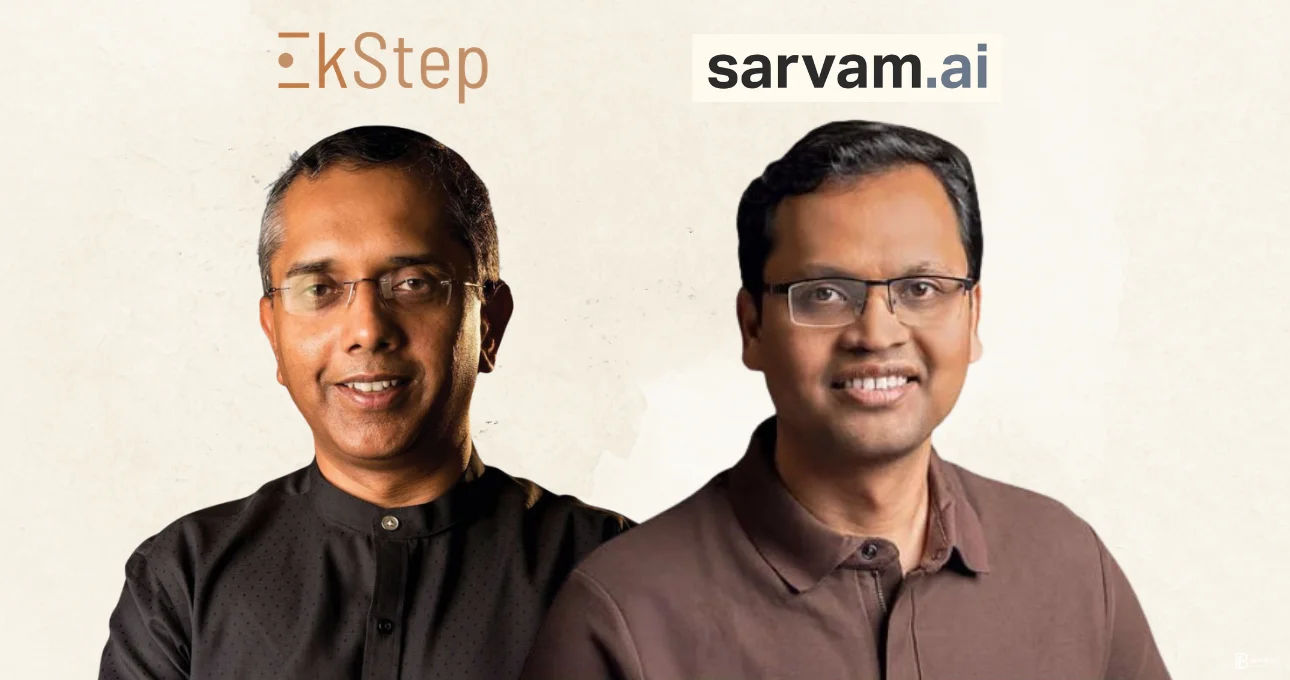
Bengaluru, March 16, 2026 – India’s artificial intelligence ecosystem marked a major milestone as Sarvam AI, EkStep Foundation, and AI4Bharat launched a large-scale multilingual voice AI initiative called “Listen at Scale.”
During a 31-day pilot, the program successfully engaged 5 million unique users across India, demonstrating how conversational artificial intelligence can improve access to public services in multiple regional languages.
The initiative replaces traditional one-way IVR calls and SMS alerts with two-way conversational voice AI agents, enabling citizens to interact naturally in their own languages. The system aims to improve accessibility for people in rural areas where literacy barriers and limited connectivity often restrict the use of conventional digital services.
Addressing India’s Linguistic Diversity
India is home to 22 official languages and more than 1,600 dialects, making language accessibility a major challenge for digital platforms. The “Listen at Scale” project tackles this issue by enabling voice interactions in several regional languages, including Hindi, Tamil, Telugu, and Bengali.
The conversational AI agents are powered by Sarvam’s language models, Sarvam 1 and Sarvam 2, which support 10 Indian languages. These models are trained on extensive Indic language datasets developed with support from AI4Bharat, an open-source research initiative based at IIT Madras.
Meanwhile, EkStep Foundation, a non-profit organization founded by Rohini Nilekani, coordinated the program’s deployment through its digital public infrastructure. The initiative specifically targeted last-mile service delivery in rural communities, where voice interfaces offer a more practical alternative to text-based technology.
Large-Scale Pilot Across Public Services
The pilot program recorded five million interactions within just 31 days, covering several government and social welfare initiatives. These included programs such as Ayushman Vay Vandana Yojana, projects under the Department of Empowerment of Persons with Disabilities, and various state governance initiatives.
Through conversational voice agents, the system helped verify beneficiaries, gather real-time citizen feedback, and resolve public grievances. According to the organizations involved, the AI agents reduced call-center workloads by nearly 70% while increasing issue resolution rates to around 85%.
The program also extended to the agriculture sector. Voice AI agents delivered weather updates, pest management guidance, and subsidy confirmations to farmers, especially in areas with limited internet connectivity.
Key Results From the Pilot Program
The “Listen at Scale” pilot highlighted how AI-driven voice technology can support multiple sectors:
Healthcare:
Voice AI agents verified approximately 1.2 million senior citizens connected to healthcare and insurance programs, streamlining verification processes through voice biometrics.
Agriculture:
Around 1.5 million farmers received crop advisories and climate alerts in regional languages, helping them access critical information quickly.
Governance:
AI agents managed roughly 800,000 citizen queries related to disability welfare services, resolving simple issues automatically while routing complex cases to human operators.
The program also used real-time sentiment analysis to monitor citizen responses, enabling policymakers to identify emerging issues and respond proactively.
Technology Behind the Voice AI System
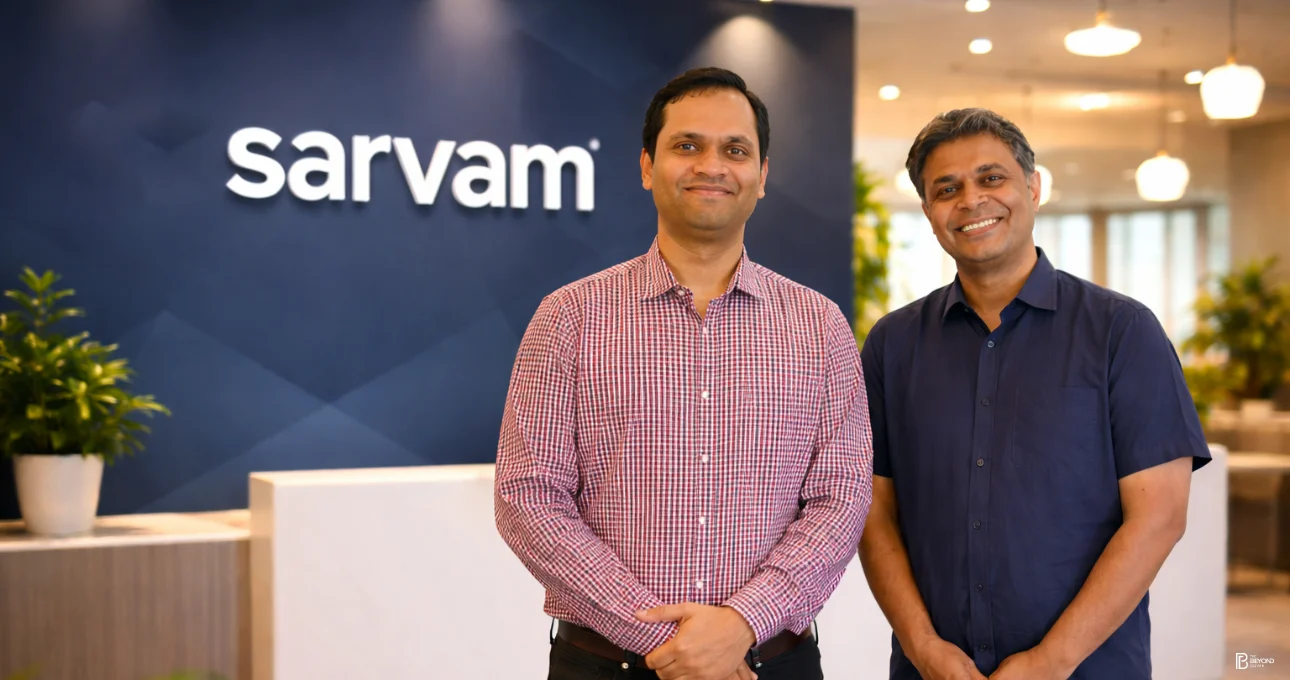
The platform is powered by Sarvam 2, an AI model introduced in early 2026 that enables low-latency voice conversations even on modest hardware systems. The technology stack includes several advanced capabilities:
- Multilingual Automatic Speech Recognition (ASR) built using IndicSpeech datasets
- Context-aware dialogue management that supports interruptions and language switching
- Voice biometric authentication for secure identity verification
- Offline edge models designed for regions with limited network connectivity
The system can also integrate with digital services such as UPI voice payments and Aadhaar eKYC, potentially enabling voice-based commerce and financial services.
Another key advantage is cost efficiency. Voice AI agents operate at approximately ₹0.10 per minute, compared with around ₹2 per minute for human call-center agents, allowing large-scale deployments at significantly lower costs.
Strategic Collaboration Strengthening India’s AI Ecosystem
The collaboration between Sarvam AI, EkStep Foundation, and AI4Bharat highlights the strength of India’s growing AI ecosystem.
Sarvam AI has rapidly expanded its footprint in the country’s AI landscape with models optimized for Indian languages. EkStep Foundation has previously digitized learning content for millions of students, while AI4Bharat has built hundreds of open-source datasets supporting Indic language research.
Together, the three organizations aim to support India’s broader artificial intelligence ambitions, including efforts under the national AI Mission, which seeks to strengthen domestic AI capabilities.
Looking Ahead
Following the success of the pilot program, the organizations plan to expand the initiative nationwide in Q3 2026, with the goal of reaching 100 million users.
Future applications are expected to include education platforms, financial services, and disaster response systems, further demonstrating how voice-based AI can improve digital inclusion.
The “Listen at Scale” project illustrates how multilingual AI agents can bridge language barriers and expand access to essential services—bringing conversational technology to millions of people across India.