









Introduction: When AI Becomes Both Shield and Threat
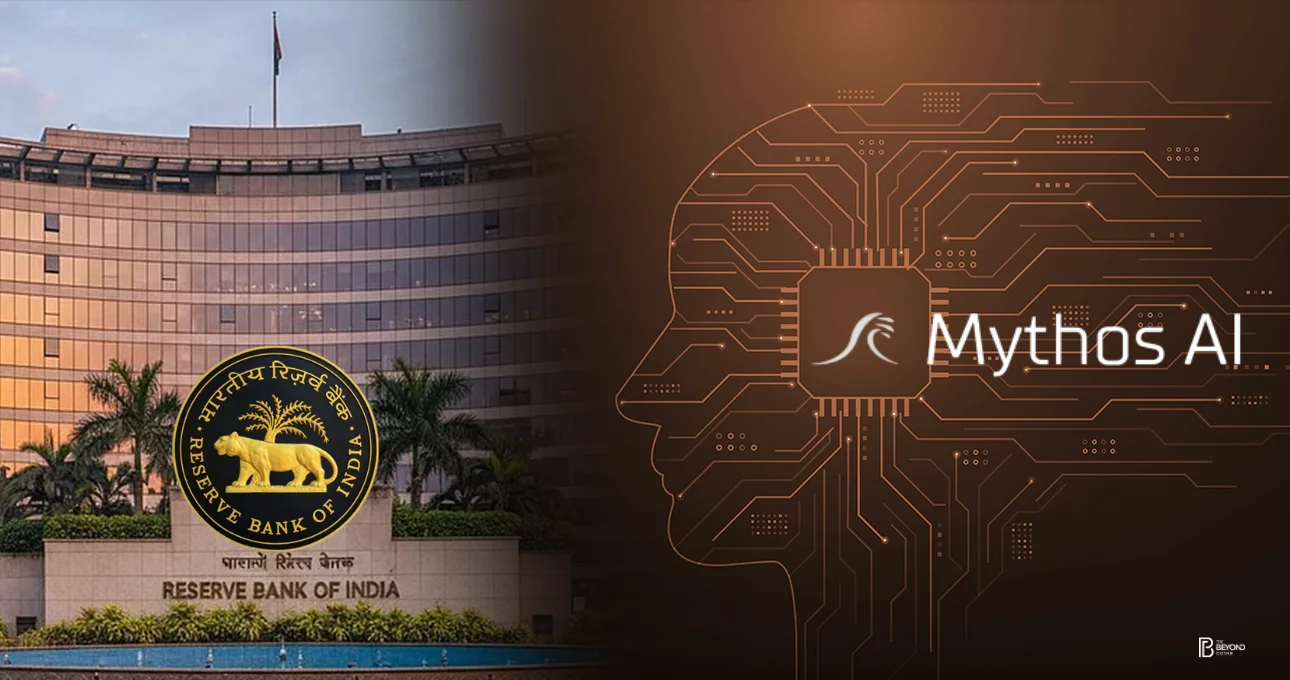
India’s banking regulator, the Reserve Bank of India, is taking a closer look at one of the most powerful new AI systems in the world-Anthropic’s Claude Mythos Preview. While built to strengthen cybersecurity, the model’s ability to rapidly detect vulnerabilities is raising serious concerns about how the same power could be misused.
As AI capabilities evolve, the conversation is no longer just about innovation- it’s about control, accountability, and systemic risk. For a country like India, where digital banking runs at massive scale, the stakes are especially high.
Why RBI Is Scrutinizing Anthropic’s Mythos AI
The RBI’s preliminary assessment suggests that Mythos can identify weaknesses in software systems far faster than traditional cybersecurity tools- or even human experts. That’s impressive from a defensive standpoint, but it also introduces a new risk: what if such capabilities fall into the wrong hands?
To better understand the implications, the RBI is working alongside global counterparts like the Federal Reserve and the Bank of England. This coordinated approach highlights how seriously regulators worldwide are treating AI-driven cybersecurity risks.
The Core Concern: Speed and Scale of AI-Driven Threats
Claude Mythos is designed to scan systems, identify vulnerabilities, and map potential attack paths at a scale that was previously unimaginable. In traditional cybersecurity, discovering even a handful of critical vulnerabilities could take weeks. With AI, that process can shrink to minutes.
For India’s banking ecosystem- where millions of transactions happen every hour- this speed could become a double-edged sword. If exploited maliciously, vulnerabilities could be identified and targeted before institutions even realize they exist.
India’s Banking Infrastructure: A Complex Risk Landscape
India’s financial system is a mix of cutting-edge digital platforms and legacy infrastructure. While systems like UPI have revolutionized payments, many banks still rely on older core systems that may not be designed to withstand AI-scale threat detection.
This creates a layered risk environment. A vulnerability in one part of the system could ripple across interconnected networks, affecting payments, customer data, and financial stability. Smaller banks and financial institutions, with limited cybersecurity budgets, could be particularly exposed.
The Trigger: Unauthorized Access Incident
Concerns around Mythos intensified after reports surfaced about unauthorized access through a private online group. While no malicious activity was confirmed, the exposure of internal dashboards and tools raised questions about how securely such powerful AI systems are being managed.
Anthropic acknowledged the issue and launched an investigation, pointing to a possible breach via a third-party vendor. Even without direct misuse, the incident served as a reminder: the more powerful the technology, the higher the responsibility to secure it.
Global Regulators Are Paying Attention
India isn’t alone in this cautious approach. Financial regulators in Japan, Australia, Europe, and the United States are all evaluating how advanced AI models could impact cybersecurity.
This growing global alignment reflects a shared understanding- AI is no longer just a tool for efficiency. It has become a factor that could influence financial stability itself.
Balancing Risk with Opportunity
Despite the concerns, Mythos is not being viewed purely as a threat. Its ability to detect vulnerabilities could significantly improve how banks defend themselves against cyberattacks.
Institutions like the National Payments Corporation of India are exploring ways to use such tools for controlled testing and early detection. If deployed responsibly, AI could help banks fix weaknesses before attackers even find them.
How Indian Enterprises Are Preparing
India’s leading IT companies are already adapting to this shift. Firms are integrating AI-driven security into their platforms, focusing on real-time monitoring, automated patching, and proactive threat detection.
There is also a growing push toward sovereign AI infrastructure- ensuring that sensitive financial data is stored and processed within national boundaries. This aligns with India’s broader regulatory focus on data protection and compliance.
RBI’s Evolving Cybersecurity Strategy
To stay ahead of emerging threats, the RBI is expected to strengthen its cybersecurity framework across the banking sector. This includes deeper audits of legacy systems, stricter API security standards, and the adoption of zero-trust architectures.
AI-powered red-teaming- using advanced models to test system resilience- is likely to become a standard practice. Faster patch cycles and real-time threat response mechanisms will also be critical as cyber risks evolve at machine speed.
The Bigger Picture: AI and Financial Stability
The rise of AI in cybersecurity is changing how risks are understood. A single vulnerability, if exploited at scale, could trigger widespread disruptions across financial systems.
This makes early intervention crucial. By proactively evaluating tools like Mythos, the RBI is not just addressing a potential risk- it is shaping how AI will be governed in one of the most critical sectors of the economy.
Conclusion: A Defining Moment for AI in Banking
Anthropic’s Mythos AI represents the next phase of cybersecurity- one where machines can think, analyze, and act at unprecedented speed. But with that power comes responsibility.
India’s response, led by the Reserve Bank of India, signals a balanced approach: embracing innovation while ensuring safeguards are firmly in place. As AI continues to evolve, the real challenge will not just be building smarter systems- but building safer ones.