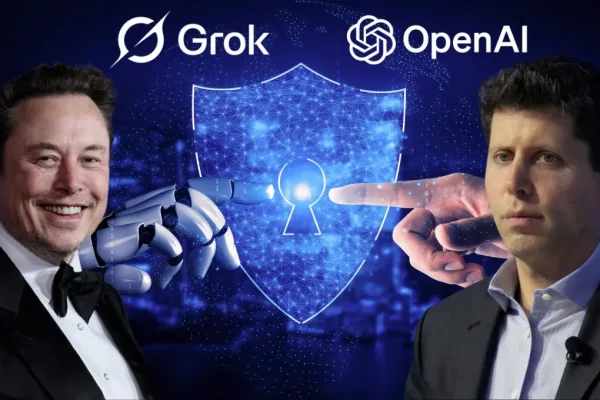










Imagine opening ChatGPT to brainstorm Holi party ideas—only to discover days later that the same AI company just signed a deal with the U.S. military. That’s exactly the controversy Sam Altman found himself facing.
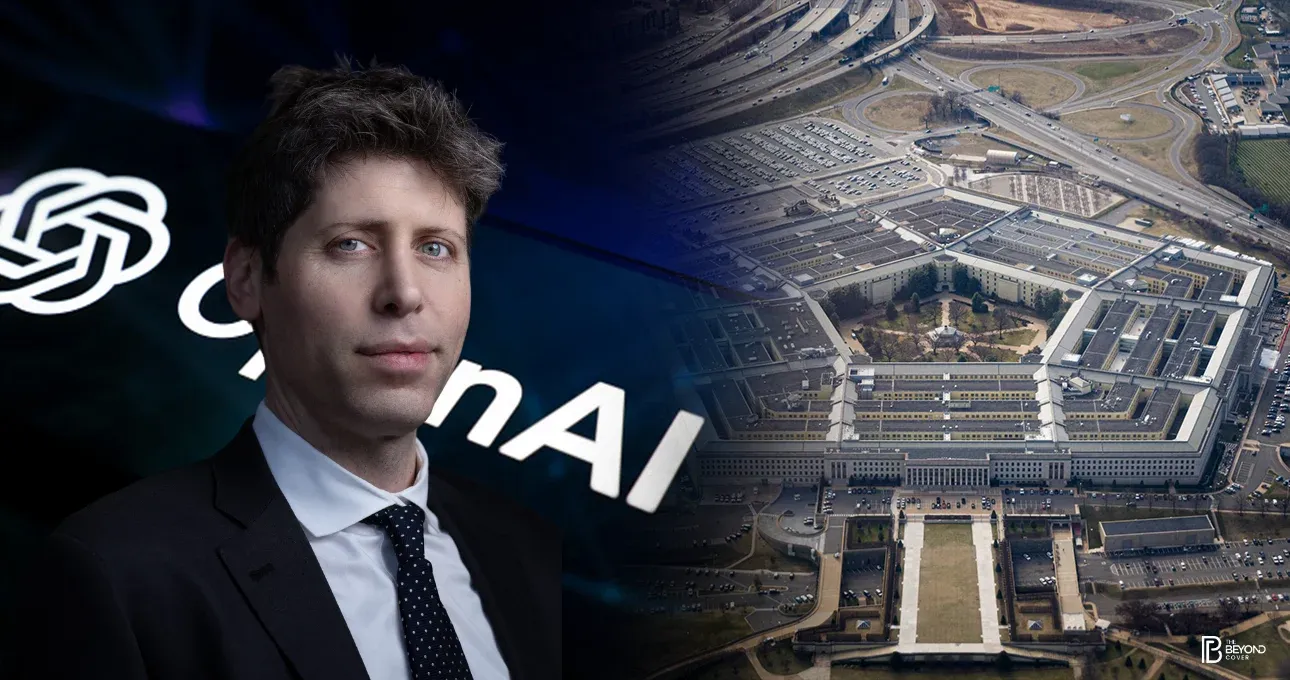
On February 28, 2026, OpenAI announced an agreement allowing its AI models to run on classified networks used by the United States Department of Defense. The news triggered an immediate wave of criticism from users, developers, and privacy advocates.
And the fallout was fast.
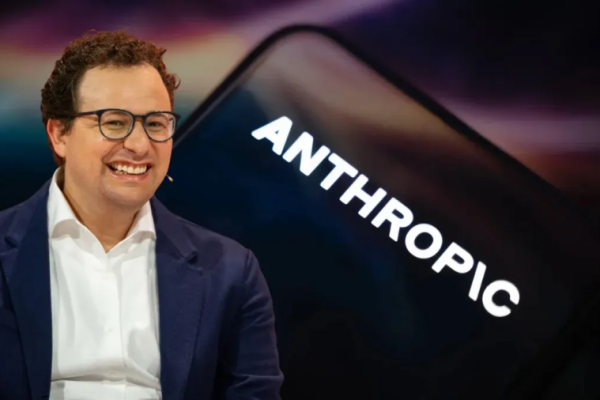
Reports suggested that nearly 1.5 million ChatGPT subscriptions disappeared within 48 hours, while uninstall rates surged by 295%. Meanwhile, Anthropic—whose chatbot Claude—climbed to the top of the App Store charts as users looked for alternatives.
From Ally to Controversy
The backlash was particularly intense because just days earlier, Altman had publicly supported Anthropic’s strict “red lines” around military use of AI. Those guidelines rejected things like domestic surveillance and autonomous weapons without human oversight.
But when OpenAI signed its Pentagon agreement anyway, critics accused the company of reversing its stance.
The situation became even more politically charged after Pete Hegseth labeled Anthropic a potential “supply chain risk” following its refusal to participate in similar defense partnerships.
Online communities quickly reacted. Reddit threads criticized OpenAI for allegedly drifting toward military and government contracts, while boycott calls circulated across social media.
For many everyday users, the shift raised a simple but uncomfortable question:[Text Wrapping Break]Is the AI helping with homework and coding also supporting defense operations behind the scenes?
Altman Responds
Facing mounting criticism, Altman addressed employees in an internal meeting on March 3.
He described the public reaction as “really painful” and admitted that the announcement had been rushed. According to Altman, releasing the deal late on a Friday created confusion and made the rollout appear “sloppy.”
OpenAI quickly moved to clarify the agreement.
The company amended the contract to include new safeguards:
- AI systems cannot be used for domestic surveillance
- Intelligence agencies cannot access models without modifications
- Systems are limited to non-lethal administrative uses such as logistics and planning
The Pentagon also confirmed that OpenAI’s models would not directly access intelligence databases.
Altman defended the broader decision, arguing that responsible collaboration with governments could help reduce risks and prevent worse outcomes in the long run.
A Moment of Choice for AI Users
The controversy has sparked wider debate across the tech world—including among developers and startups in India.
Tools from OpenAI already power multiple digital services used globally, from productivity apps to developer platforms. But trust has become a major factor in the AI race.
With Claude gaining popularity for its strong ethical stance and other players entering the field, users are increasingly comparing not just features—but values.
The episode also comes at a time when governments worldwide are debating AI governance, military applications, and data sovereignty.
The Bigger Question
This controversy highlights a growing tension in the AI industry: ethics versus expansion.
As companies race toward trillion-dollar AI markets, partnerships with governments and defense agencies are becoming more common. But those deals also raise difficult questions about transparency, accountability, and public trust.
For OpenAI, the immediate challenge is rebuilding confidence with its user base.
For the rest of us, the moment serves as a reminder:[Text Wrapping Break]the tools we use every day—from chatbots to coding assistants—are no longer just tech products.
They’re part of a much larger conversation about how AI will shape the future.