









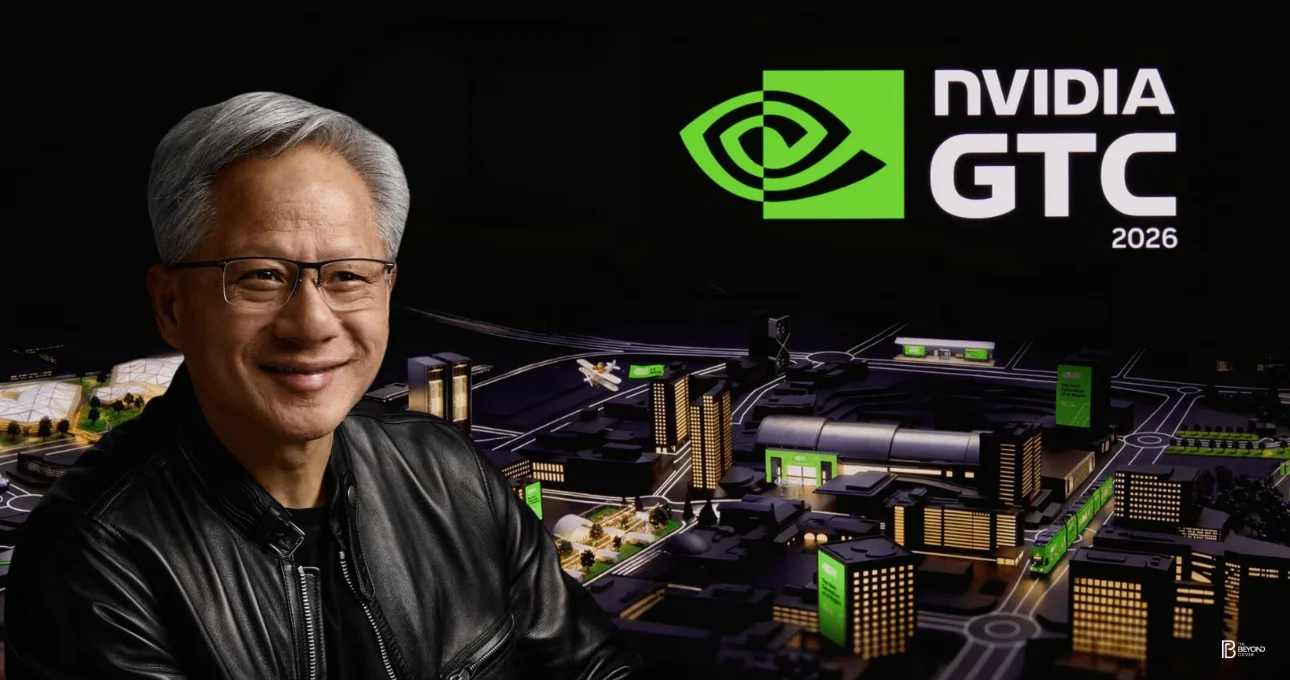
When Jensen Huang stepped onto the stage at the SAP Center on March 16, 2026, the message was unmistakable—NVIDIA is no longer just a GPU company. At NVIDIA GTC 2026, the company positioned itself as a full-stack AI infrastructure provider, integrating chips, software, networks, and intelligent systems into one unified ecosystem.
Over four days, more than 30,000 attendees from 190 countries witnessed a sweeping vision where AI evolves from a tool into the operating system of industries and everyday life. For India’s growing tech ecosystem, the event signals a roadmap for the next decade of AI-driven growth.
From GPUs to Full-Stack AI Infrastructure
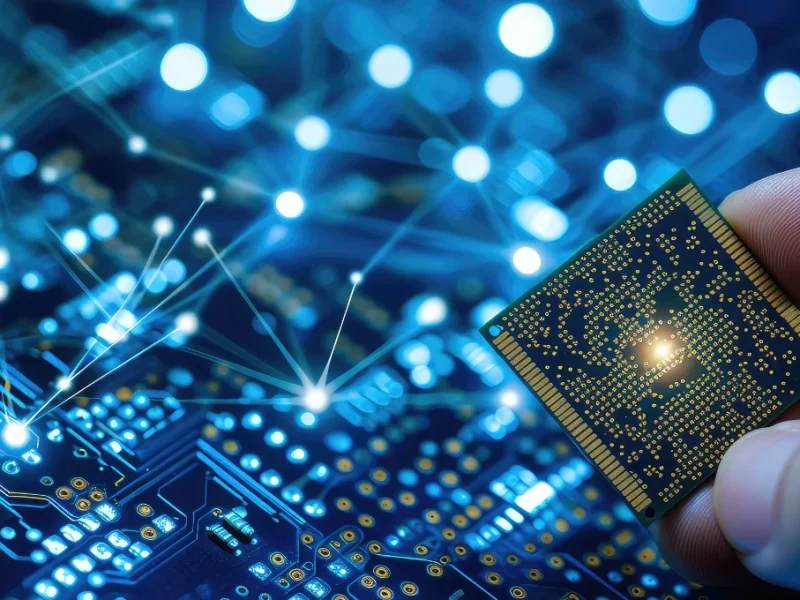
A central theme at GTC 2026 was convergence. NVIDIA showcased how GPUs, CPUs, DPUs, and accelerators are merging into a unified AI fabric. The focus has shifted from raw compute power to efficiency, latency, and scalable AI factories capable of running massive models.
The rollout of Blackwell-based systems, including DGX Station and DGX Spark, enables enterprises to deploy AI supercomputing capabilities locally. Combined with new CPU architectures and next-gen hardware, NVIDIA is targeting everything from cloud-scale infrastructure to edge computing.
For Indian startups and enterprises, this shift makes AI infrastructure more accessible. Organizations can now build on-premise AI systems while extending into the cloud when required—aligning with India’s push for data sovereignty and AI readiness.
Next-Generation Chips: Feynman, Rubin, and LPUs
NVIDIA also revealed its future roadmap, including the Feynman platform, the successor to the Rubin architecture. This includes new CPUs, advanced networking, and next-generation processing units designed for massive AI workloads.
A notable development is the rise of Language Processing Units (LPUs)—specialized chips optimized for running large language models at ultra-low latency. This signals NVIDIA’s ambition to dominate not just AI training but also real-time inference.
For Indian AI companies, this evolution lowers deployment costs and enables scalable solutions such as AI customer support agents, legal automation tools, and multilingual assistants.
Physical AI and Robotics Take Center Stage
GTC 2026 marked a shift from digital AI to physical AI. NVIDIA introduced an open blueprint for building intelligent robots using synthetic data and simulation environments.
New tools and models enable robots to learn in virtual worlds and apply that knowledge in real-world scenarios. Partnerships with global robotics companies highlight a future where machines can perform complex physical tasks autonomously.
This has direct implications for India’s manufacturing and logistics sectors. AI-powered robots can enhance quality control, warehouse automation, and industrial efficiency, supporting the country’s push toward smart manufacturing.
The Rise of Agentic AI and AI Factories
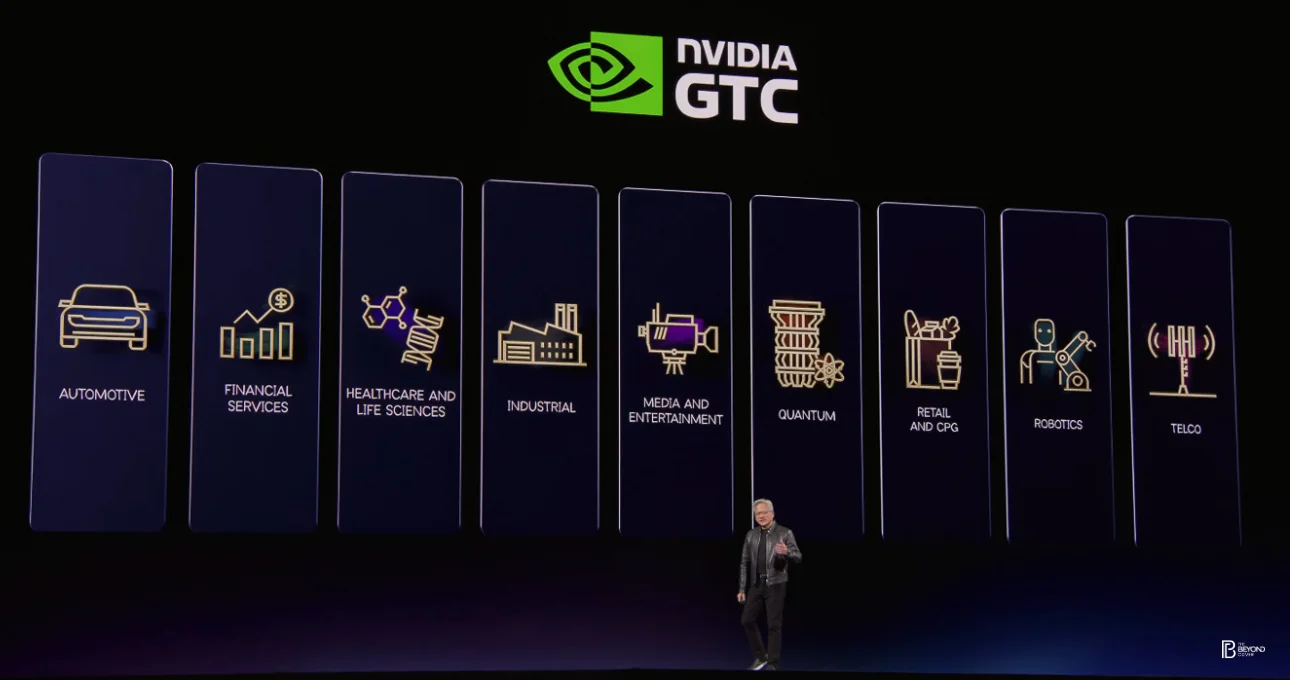
Another major theme was agentic AI—systems that can plan, act, and execute tasks independently. NVIDIA introduced advanced frameworks that allow enterprises to build domain-specific AI agents for industries like finance, healthcare, and logistics.
These systems are part of the broader AI factory concept, where organizations create end-to-end pipelines for training, deploying, and managing AI models.
For India, this model is especially relevant. Enterprises can build localized AI systems that comply with regulations while maintaining control over data and infrastructure.
Gaming, Graphics, and DLSS 5 Innovation
While enterprise AI dominated the event, NVIDIA also reinforced its leadership in gaming and graphics with the introduction of DLSS 5. This new technology uses AI-driven rendering to deliver near-photorealistic visuals in real time while reducing computational load.
For India’s gaming and ed-tech sectors, this opens opportunities to build high-quality, immersive experiences even on mid-range devices—critical in a diverse hardware market.
What It Means for India’s Tech Future
GTC 2026 is more than a product showcase—it’s a blueprint for the future of AI. The combination of advanced hardware, AI frameworks, and scalable infrastructure gives Indian companies the tools to build next-generation AI solutions.
Key opportunities include:
- Building AI-ready infrastructure using modular hardware
- Developing agentic AI solutions for key industries
- Expanding robotics and automation in manufacturing
- Leveraging efficient AI models for cost-effective deployment
As India accelerates toward an AI-driven economy, the insights from GTC 2026 highlight a clear direction: success will depend on owning the full AI stack, not just applications.
In many ways, NVIDIA’s vision signals a broader transformation—where AI becomes the backbone of innovation, powering industries, economies, and everyday life.