









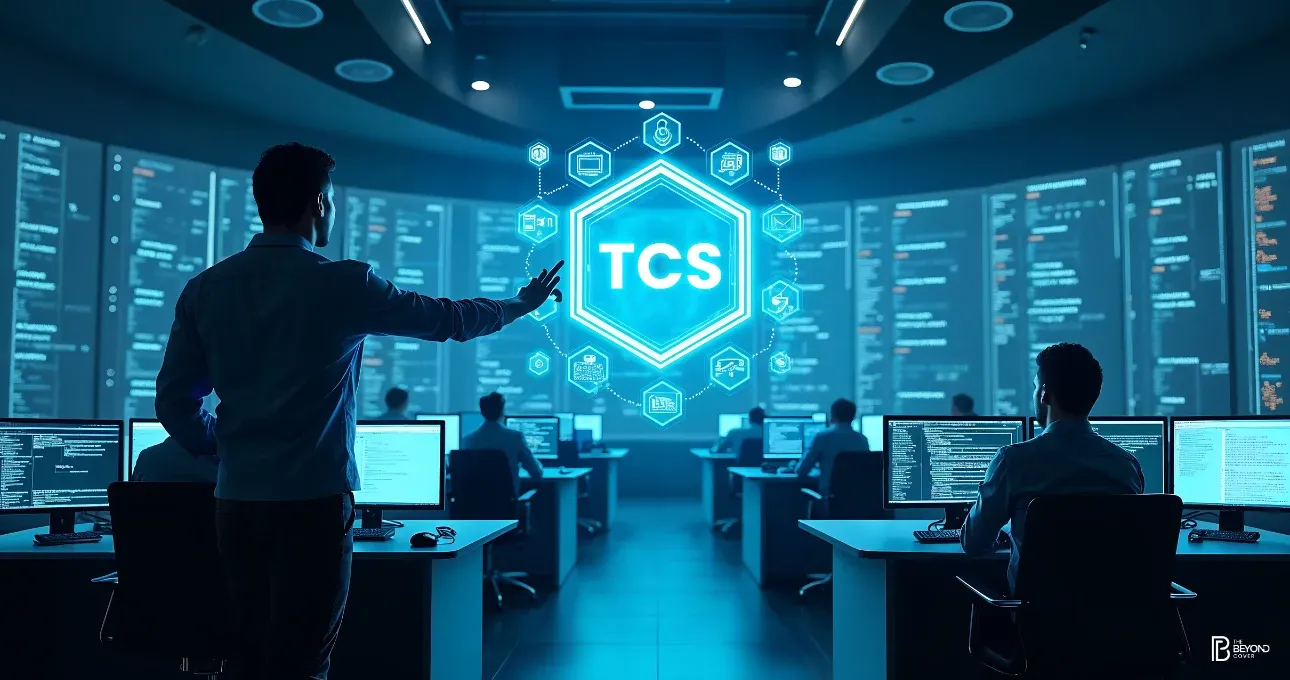
In a powerful signal that the future of software development is no longer limited to computer science graduates, Tata Consultancy Services (TCS) has launched a nationwide AI Hackathon exclusively for non-engineering students. With over 10,000 participants already involved, the initiative is redefining who gets to build technology in the artificial intelligence era.
The satellite AI Hackathon, which began on January 26, has been conducted across multiple cities in India. What makes it unique is its focus: students from non-engineering backgrounds such as commerce, arts, medicine, and business were invited to create AI-powered tools to solve real-world problems in their own domains.
Breaking the Myth: You Don’t Need a CS Degree Anymore
For decades, software development has been seen as the exclusive domain of computer science and engineering graduates. However, TCS is challenging that assumption.
The company believes that advances in artificial intelligence, low-code platforms, and generative AI tools have made software creation more accessible than ever before. Students without traditional programming backgrounds are now able to design applications, automate workflows, and build intelligent solutions using AI assistance.
Participants in the hackathon developed tools addressing practical challenges in areas like finance, healthcare, education, and social impact — proving that domain knowledge combined with AI can be just as powerful as coding expertise.
This shift reflects a broader transformation in the global technology landscape, where AI is democratizing software development.
10,000 Students and Counting
The scale of the hackathon highlights the growing interest in artificial intelligence beyond engineering circles. According to TCS, more than 10,000 non-engineering students have already participated since the program’s launch.
The response shows that students from diverse academic backgrounds are eager to become part of the AI revolution. Many participants were able to build functional prototypes, despite having little or no prior coding experience.
This trend aligns with the rising popularity of generative AI platforms that allow users to create applications using natural language prompts instead of complex programming.
Bigger Plans Ahead: Upskilling 2,000 More Students
Building on the momentum, TCS plans to expand its AI skilling efforts further. At the upcoming India AI Impact Summit, the company will announce plans to upskill an additional 2,000 students in artificial intelligence.
This initiative is part of TCS’s broader strategy to prepare India’s workforce for an AI-driven future. As artificial intelligence reshapes industries, companies are increasingly prioritizing skills over degrees.
By focusing on practical learning and hands-on experience, TCS aims to create a new generation of AI creators, not just AI users.
Why This Matters for the Future of Jobs
The implications of this shift are significant. Artificial intelligence is expected to transform millions of jobs, but it is also creating new opportunities.
By enabling non-engineering students to build software, TCS is expanding the talent pool and making technology careers more inclusive.
Industry experts believe this could help address the growing demand for AI skills, which continues to outpace supply globally.
It also signals a future where creativity, problem-solving, and domain expertise may matter more than traditional coding credentials.
AI Is Changing Who Builds Technology
TCS’s AI Hackathon reflects a fundamental change in how software is created. Artificial intelligence is no longer just a tool for engineers — it is becoming a platform for everyone.
As AI continues to evolve, the barrier between technology creators and non-technical professionals is rapidly disappearing.
With initiatives like this, the message is clear: in the age of AI, you don’t need a computer science degree to build the future.