







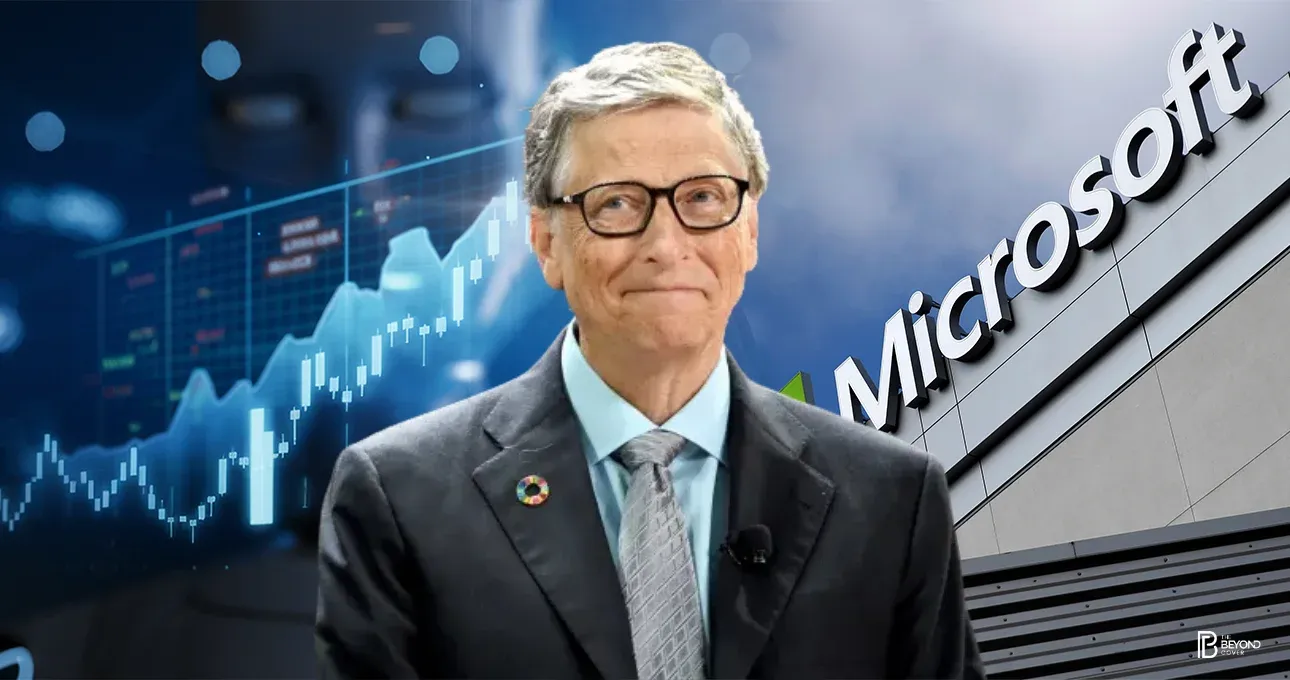
In a bold move that could reshape the global artificial intelligence landscape, Microsoft has announced it is on track to invest nearly $50 billion to expand AI infrastructure and capabilities across the Global South. The investment highlights the company’s growing focus on emerging markets, including countries in Asia, Africa, Latin America, and other developing regions, as the next major frontier in the AI revolution.
The announcement reflects a significant shift in how global technology leaders are approaching artificial intelligence — no longer concentrating only on the United States and Europe, but actively building AI ecosystems in fast-growing digital economies.
A Massive Push to Expand Global AI Infrastructure
Microsoft’s planned $50 billion investment will focus on building critical AI infrastructure, including data centres, cloud platforms, and computing capacity. These investments are essential for supporting AI tools, training models, and enabling businesses and governments to deploy artificial intelligence solutions.
Artificial intelligence requires enormous computing power, and access to infrastructure has become one of the biggest barriers for many developing countries. By expanding its presence in the Global South, Microsoft aims to close this gap and make AI more accessible.
The company has been steadily expanding its global cloud network through its Azure platform, which serves as the backbone for many AI applications.
This latest investment signals Microsoft’s long-term commitment to making AI a truly global technology.
Why the Global South Is the Next AI Battleground
Emerging markets represent one of the fastest-growing opportunities for artificial intelligence adoption. These regions have large populations, rapidly growing internet access, and increasing demand for digital services.
Countries in the Global South are already using AI in areas such as:
- Healthcare diagnostics
- Agriculture and crop monitoring
- Financial inclusion
- Education technology
- Government services
However, lack of infrastructure has limited AI adoption at scale.
Microsoft’s investment could help unlock this potential.
Industry experts believe the Global South could become a major driver of AI growth over the next decade.
Strategic and Economic Implications
The $50 billion investment is not just about technology — it is also about long-term strategic positioning.
By investing early, Microsoft can:
- Build strong partnerships with governments and businesses
- Expand its cloud and AI market share
- Support local innovation ecosystems
- Strengthen its global technology leadership
Artificial intelligence is expected to become a multi-trillion-dollar market, and companies that control infrastructure will have a significant advantage.
This makes infrastructure investment a critical priority.
Supporting Local Innovation and Talent
Another key focus of Microsoft’s AI push is supporting local developers and startups.
The company has been investing in:
- AI training programs
- Developer tools
- Startup partnerships
- Digital skills initiatives
These efforts aim to empower local talent to build AI solutions tailored to regional needs.
This approach helps create sustainable AI ecosystems rather than simply exporting technology.
Bridging the Global AI Divide
One of the biggest concerns in the AI era is the risk of a digital divide, where advanced AI capabilities are concentrated in a few developed countries.
Microsoft’s investment could help bridge this gap by bringing AI infrastructure to underserved regions.
This could enable more countries to participate in the AI economy.
It could also accelerate digital transformation globally.
A Competitive Race Among Tech Giants
Microsoft’s massive investment also reflects growing competition among global technology companies.
AI infrastructure has become a key battleground, with companies racing to build data centres and expand cloud services worldwide.
Control over infrastructure is increasingly seen as essential for AI leadership.
Microsoft has been one of the most aggressive investors in AI, integrating AI capabilities across its products and services.
The Future of AI Will Be Global
Microsoft’s $50 billion Global South investment highlights a major shift in the AI landscape.
Artificial intelligence is no longer limited to a few technology hubs.
It is becoming a global technology that will shape economies everywhere.
For emerging markets, this investment could unlock new opportunities for growth, innovation, and development.
For Microsoft, it strengthens its position as one of the key players shaping the future of AI.
And for the world, it signals that the next phase of the AI revolution will be truly global — and the Global South will play a central role.