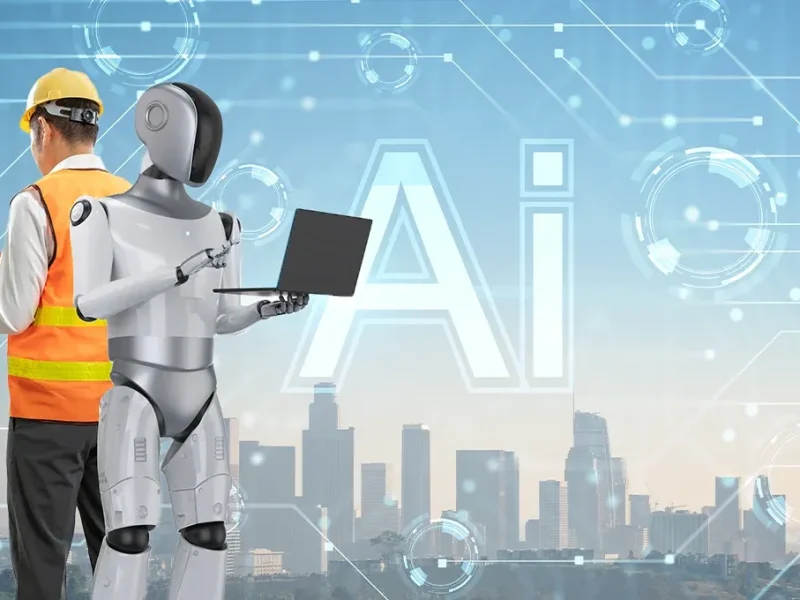







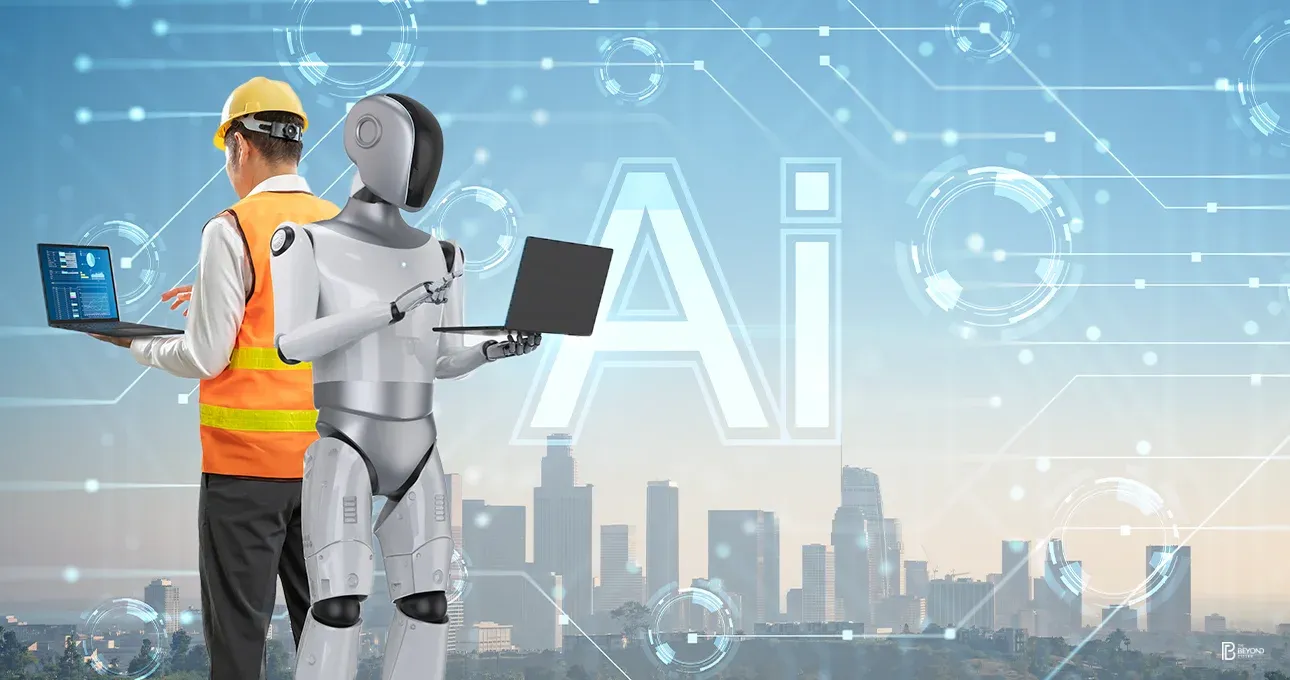
The rapid integration of artificial intelligence into daily workflows is triggering a new wave of workplace tension, as major technology and IT services firms push employees to adopt AI tools as a core part of their roles. What was once positioned as optional productivity support is increasingly becoming a mandatory performance layer, and not all engineers are welcoming the shift.
Companies such as Amazon, Tata Consultancy Services, and Cognizant have been actively embedding AI into software development, documentation, customer delivery, and internal operations. The goal is clear: higher efficiency, faster output, and measurable productivity gains in an AI-first economy.
However, for many engineers, the transition is not just technological — it is cultural and professional.
From Assistance to Obligation
AI coding assistants, automated testing tools, AI-powered documentation systems, and workflow copilots are now being positioned as default work environments rather than optional enhancers. In several teams, performance is increasingly evaluated based on how effectively employees use these tools.
This marks a significant shift in how engineering productivity is defined:
- Output speed is being benchmarked against AI-assisted development
- Manual workflows are being phased out
- AI usage metrics are entering performance discussions
For freshers and junior developers, this often lowers the barrier to delivery. But for experienced engineers, it can feel like a forced redesign of their craft, where deep technical problem-solving risks being replaced by prompt management and AI orchestration.
Why Companies Are Enforcing AI Adoption
The business logic behind mandatory AI is hard to ignore.
Across global tech and IT services, organisations are under pressure to:
- Reduce delivery timelines
- Improve margins
- Scale without proportional hiring
- Stay competitive in AI-led transformation deals
- AI tools promise measurable gains in all four areas.
For IT services firms in particular, AI-driven productivity is becoming central to large enterprise contracts, where clients now expect automation-first delivery models.
In product companies, the focus is on developer velocity and cost optimisation, especially as cloud and infrastructure expenses rise.
The Engineer’s Dilemma
Despite the strategic rationale, resistance is emerging for several reasons:
Loss of autonomy: Engineers who once chose their tools and workflows are now required to follow AI-integrated pipelines.
Skill identity concerns: Many fear long-term deskilling if core coding, debugging, and architecture thinking are increasingly delegated to AI systems.
Quality accountability: When AI-generated code introduces bugs or security issues, the responsibility still sits with human developers.
Always-on productivity pressure: AI benchmarks are raising expectations for faster delivery cycles, compressing timelines and increasing cognitive load.
A Structural Shift in Software Development
This is not a temporary phase — it signals a deeper transformation in how software is built.
The role of engineers is evolving toward:
- AI reviewers and validators
- System designers and integrators
- Prompt and workflow architects
- Domain problem-solvers
In this model, knowing how to work with AI becomes as critical as knowing how to code.
The Road Ahead
The friction seen today reflects a classic pattern in technology transitions: productivity gains for organisations often arrive before cultural alignment for workers.
Companies are unlikely to slow their AI rollouts, as the economic and competitive advantages are too significant. At the same time, long-term success will depend on how they address:
- Transparent productivity metrics
- Reskilling and role evolution
- Clear accountability frameworks
- Human-AI collaboration models
Mandatory AI is no longer a future concept — it is becoming the new operating system of modern engineering work.
The real question is not whether AI will be used, but how much control engineers will retain in shaping the way it is used.