









A strategic dialogue that could redefine India’s position in the global chip and AI race
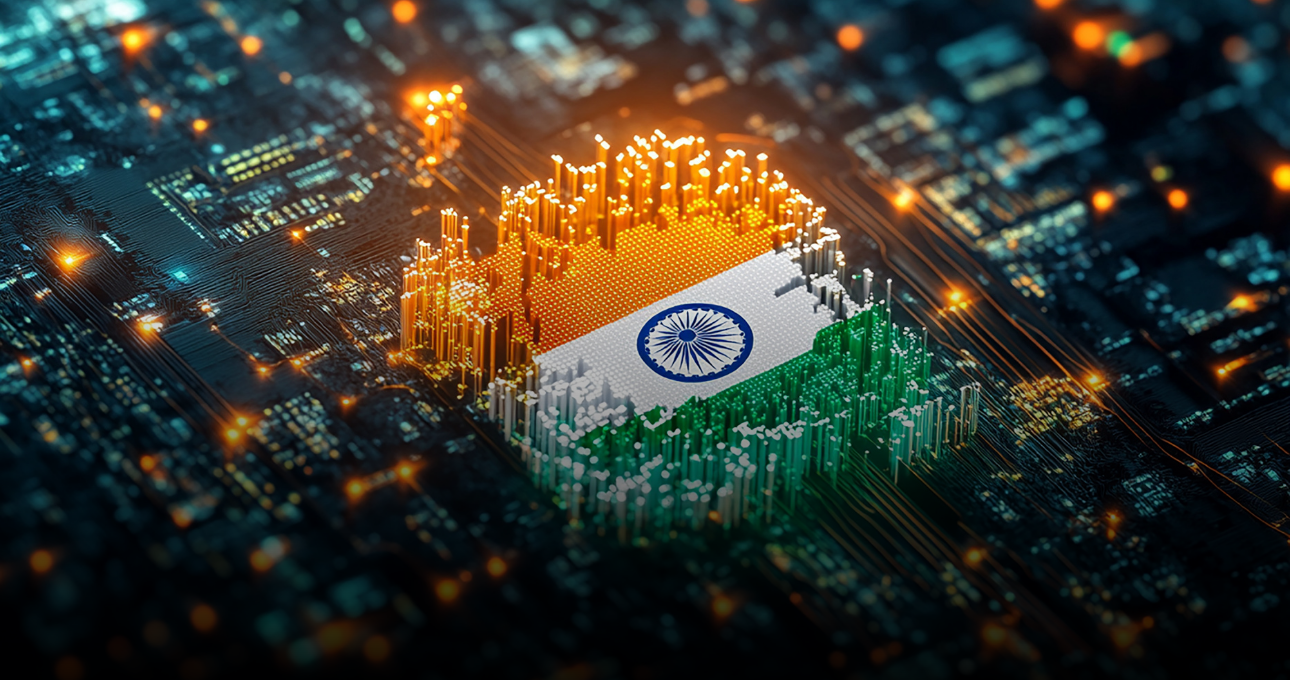
In a major development that underscores India’s growing role in the global technology landscape, Intel Corporation has entered advanced discussions with India’s Ambassador to the United States, Taranjit Singh Sandhu, to explore deeper collaboration on semiconductor manufacturing, artificial intelligence (AI), and digital innovation. The meeting marks a potential inflection point for India’s ambitions to become a global semiconductor and AI hub amid the ongoing realignment of global tech supply chains.
The talks, held at Intel’s headquarters in Santa Clara, focused on India’s semiconductor mission, talent development in AI, and fostering innovation partnerships between U.S. tech companies and Indian startups. The conversation also aligns with the Indian government’s push to attract major semiconductor players to set up fabrication plants (fabs) and AI research centers under the “India Semiconductor Mission” (ISM) and the National AI Mission.
Strengthening the Semiconductor Ecosystem
India has been making significant strides to establish itself as a trusted semiconductor manufacturing destination. With $10 billion in production-linked incentives (PLI) for chip manufacturing, the government aims to reduce dependence on imported semiconductors and position India as a critical node in the global electronics supply chain.
Intel, with its extensive manufacturing expertise and AI-driven processor technologies, has been evaluating opportunities to partner with Indian firms and educational institutions to develop chip design talent and R&D infrastructure. Sources indicate that Intel is exploring potential collaboration in chip packaging, design, and AI-accelerated computing systems, leveraging India’s massive engineering base and policy support.
Intel already operates one of its largest R&D centers outside the U.S. in Bengaluru, employing over 13,000 engineers who work on next-generation processors, software optimization, and AI workloads. Expanding that footprint with government-backed initiatives could make India a vital contributor to Intel’s global innovation roadmap.
AI Collaboration and Research Synergies
The dialogue between Intel executives and Ambassador Sandhu also focused on the intersection of AI and semiconductor innovation. Intel’s leadership believes that advances in chip architecture are foundational to achieving efficient AI processing at scale. India, with its growing ecosystem of AI startups and a government-led focus on “AI for All”, represents a strategic partner in shaping the next wave of responsible AI development.
Both sides discussed the creation of joint AI labs, public-private research programs, and skill development initiatives targeting data scientists and chip engineers. The collaboration could also include establishing AI compute infrastructure in India to support domestic innovation and research, potentially reducing costs for Indian AI startups that currently rely on expensive cloud services abroad.
Strategic and Economic Impact
Analysts see this move as part of a larger geopolitical and economic strategy. The U.S.-India tech partnership has gained new momentum as both nations seek to diversify supply chains away from China. Intel’s interest in India mirrors the steps of other global giants like Micron, AMD, and Nvidia, all of which have recently announced plans to expand operations or research centers in the country.
If Intel’s collaboration materializes into concrete projects, it could lead to high-value job creation, boost India’s export competitiveness in electronics, and accelerate the AI adoption curve across sectors such as manufacturing, healthcare, and smart infrastructure.
Looking Ahead
The Intel–India engagement marks another milestone in India’s journey to becoming a semiconductor and AI powerhouse. With government incentives, a skilled workforce, and strong diplomatic outreach, India is poised to emerge as a pivotal player in global technology production and innovation.
For Intel, this partnership offers access to one of the world’s fastest-growing digital markets and a strategic ally in shaping the next generation of computing. As talks progress, both sides are optimistic that this collaboration will not just fuel industrial growth but also lay the foundation for AI-driven digital transformation at scale — positioning India at the center of tomorrow’s technology revolution.