









The Indian Institute of Technology Madras (IIT Madras) is emerging as a global leader in neuroscience research, with scientists working to create what could become the most detailed human brain maps in the world. Speaking about the initiative, Prof. Mohanasankar Sivaprakasam, a senior faculty member at IIT Madras, highlighted how advanced imaging, data science, and artificial intelligence are coming together to unlock deeper insights into the human brain.
This ambitious effort places India firmly on the global neuroscience and biomedical innovation map.
Mapping the Human Brain at Unprecedented Resolution
According to Prof. Sivaprakasam, the project focuses on building high-resolution, multi-scale brain maps that capture both structure and function. Unlike traditional brain imaging approaches that rely on limited datasets or coarse resolution, the IIT Madras-led work aims to integrate imaging, computational modeling, and AI-driven analysis.
The goal is to understand how different regions of the brain connect, communicate, and change over time. Such detailed brain maps are essential for advancing research into neurological disorders, mental health conditions, and brain-machine interfaces.
Role of Advanced Imaging and Artificial Intelligence
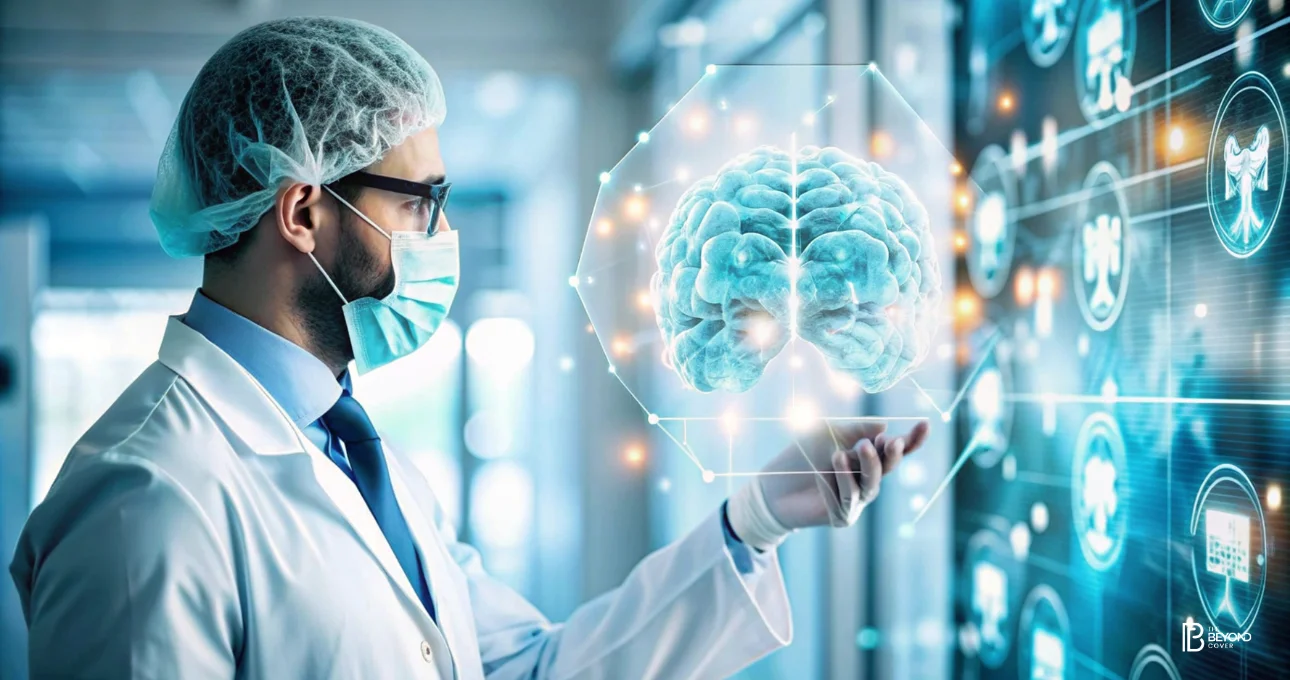
A key differentiator of this initiative is the use of cutting-edge imaging technologies combined with artificial intelligence. Advanced MRI, optical imaging, and signal-processing techniques generate massive volumes of data. AI and machine learning models are then used to analyze patterns that would be impossible to detect manually.
Prof. Sivaprakasam emphasized that AI plays a critical role in identifying subtle structural variations, mapping neural pathways, and correlating brain activity with behavior and disease states. This combination of neuroscience and AI significantly accelerates discovery.
Applications in Healthcare and Brain Disorders
The detailed human brain maps being developed at IIT Madras have far-reaching implications for healthcare and clinical research. A deeper understanding of brain connectivity can help researchers detect early markers of neurological disorders such as Alzheimer’s disease, Parkinson’s disease, epilepsy, and stroke.
In the long term, these brain maps could support personalized medicine, enabling clinicians to tailor treatments based on individual brain structure and function. They may also improve surgical planning for complex neurosurgical procedures by providing more precise anatomical guidance.
A Collaborative and Interdisciplinary Effort
Prof. Sivaprakasam highlighted that the initiative is highly interdisciplinary, bringing together experts in biomedical engineering, neuroscience, computer science, and clinical medicine. Collaboration with hospitals, research institutions, and global partners is a crucial part of the effort.
This collaborative approach ensures that the research remains both scientifically rigorous and clinically relevant. It also helps train the next generation of researchers at the intersection of AI, healthcare, and brain science.
Strengthening India’s Position in Global Brain Research
The brain mapping initiative reflects a broader push by IIT Madras to position India as a hub for deep-tech and biomedical innovation. By investing in foundational research with global impact, the institute is contributing to international efforts to decode the brain—often considered one of science’s final frontiers.
Prof. Sivaprakasam noted that building world-class brain maps from India demonstrates the country’s growing capabilities in high-end research infrastructure, data science, and translational science.
Looking Ahead: From Maps to Meaningful Impact
While the technical challenge of mapping the human brain is immense, the potential rewards are equally significant. Detailed brain maps can transform how researchers understand cognition, disease, and human behavior.
As Prof. Mohanasankar Sivaprakasam and his team continue to push boundaries, their work at IIT Madras underscores a powerful message: the future of brain science will be driven by precision, collaboration, and intelligent use of data.
With this initiative, IIT Madras is not just mapping the brain—it is helping shape the future of neuroscience itself.