









AI startup Humans& is taking a different path in the race to artificial intelligence breakthroughs. While much of the industry remains focused on larger language models and raw computing power, Humans& believes the next frontier for AI is coordination—and the company is building a new kind of model to prove it.
Founded by researchers and product leaders with backgrounds in distributed systems and machine learning, Humans& is developing an AI model designed to help humans, teams, and autonomous systems work together more effectively. The company argues that today’s AI excels at individual tasks such as writing text or generating images, but struggles when it comes to coordinating actions across people, tools, and environments.
Why Coordination Matters in the Age of AI
According to Humans&, coordination is the missing link preventing AI from delivering real-world impact at scale. In complex environments—such as enterprises, supply chains, healthcare systems, and smart cities—success depends less on isolated intelligence and more on how multiple actors align decisions over time.
Traditional AI models optimize for accuracy or speed in single interactions. Humans& is instead focused on multi-agent coordination, where AI systems understand goals, constraints, and dependencies across different participants. This approach could enable AI to orchestrate workflows, manage handoffs between teams, and adapt to changing conditions in real time.
Industry analysts note that coordination-focused AI could address some of the biggest pain points in enterprise adoption, where AI tools often operate in silos and fail to integrate smoothly into human decision-making.
Building a Model for Collective Intelligence
At the core of Humans&’s strategy is a proprietary coordination model trained on data that reflects how humans collaborate in real-world settings. This includes meeting dynamics, task delegation patterns, conflict resolution, and decision sequences over time.
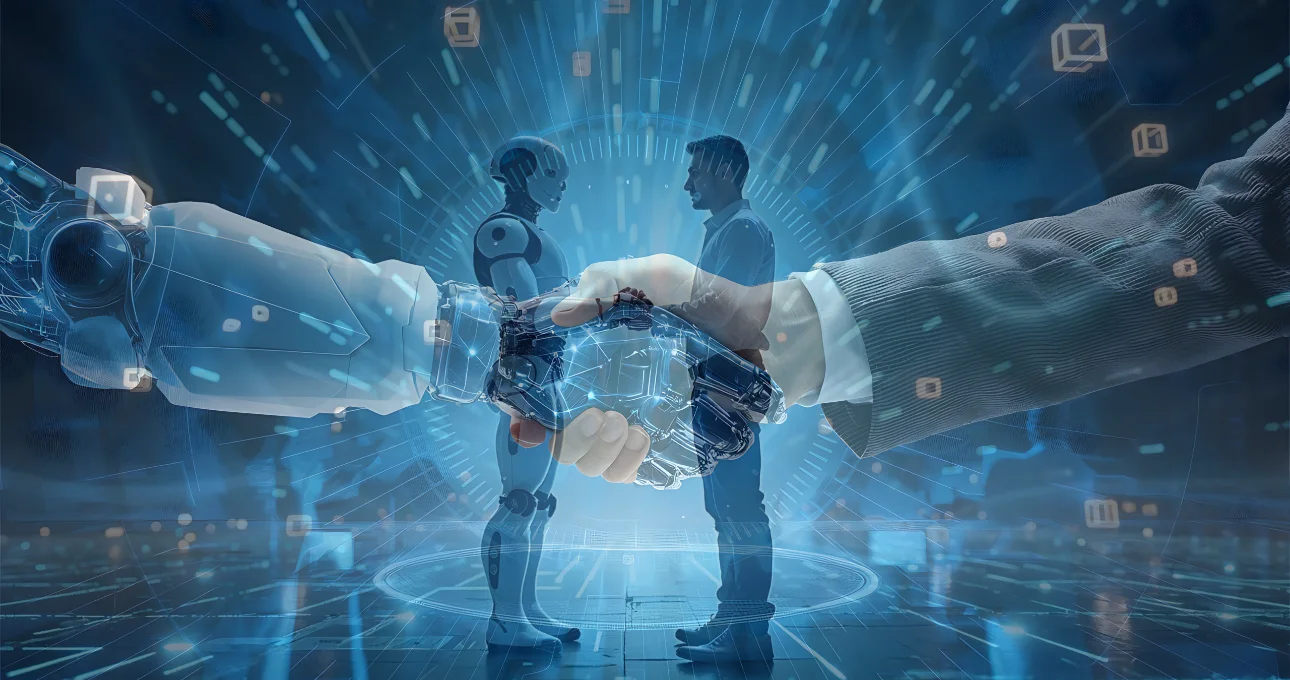
Rather than replacing humans, the company says its model is designed to augment collective intelligence. The system can suggest optimal task assignments, flag misalignments early, and help teams converge on decisions faster.
Humans& believes this approach will be especially valuable as organizations deploy more autonomous agents. Without effective coordination, multiple AI systems can create bottlenecks or conflicting actions. A coordination-first model aims to prevent those failures before they occur.
Applications Across Industries
The startup is already testing use cases across several sectors. In enterprises, the technology could improve project management, cross-functional collaboration, and resource allocation. In logistics and operations, coordination AI could optimize schedules and reduce delays caused by miscommunication.
There is also growing interest from companies experimenting with AI agent swarms, where dozens or hundreds of agents work together. Humans& argues that coordination will become a critical layer as these systems scale.
Standing Out in a Crowded AI Market
As competition intensifies among AI startups, Humans& is positioning itself away from the crowded generative AI space. By focusing on coordination, the company hopes to build a defensible niche rooted in systems thinking and real-world complexity.
Investors are increasingly drawn to startups that move beyond chat interfaces and address structural challenges in AI deployment. Coordination-focused models could play a key role in making AI systems more reliable, transparent, and useful at scale.
The Road Ahead
Humans& plans to expand pilots, refine its model, and explore partnerships with enterprises and platform providers. The company believes that as AI becomes more embedded in everyday work, coordination—not just intelligence—will define success.
If Humans& is right, the next wave of AI innovation may not be about smarter machines, but about machines that help humans work better together.