









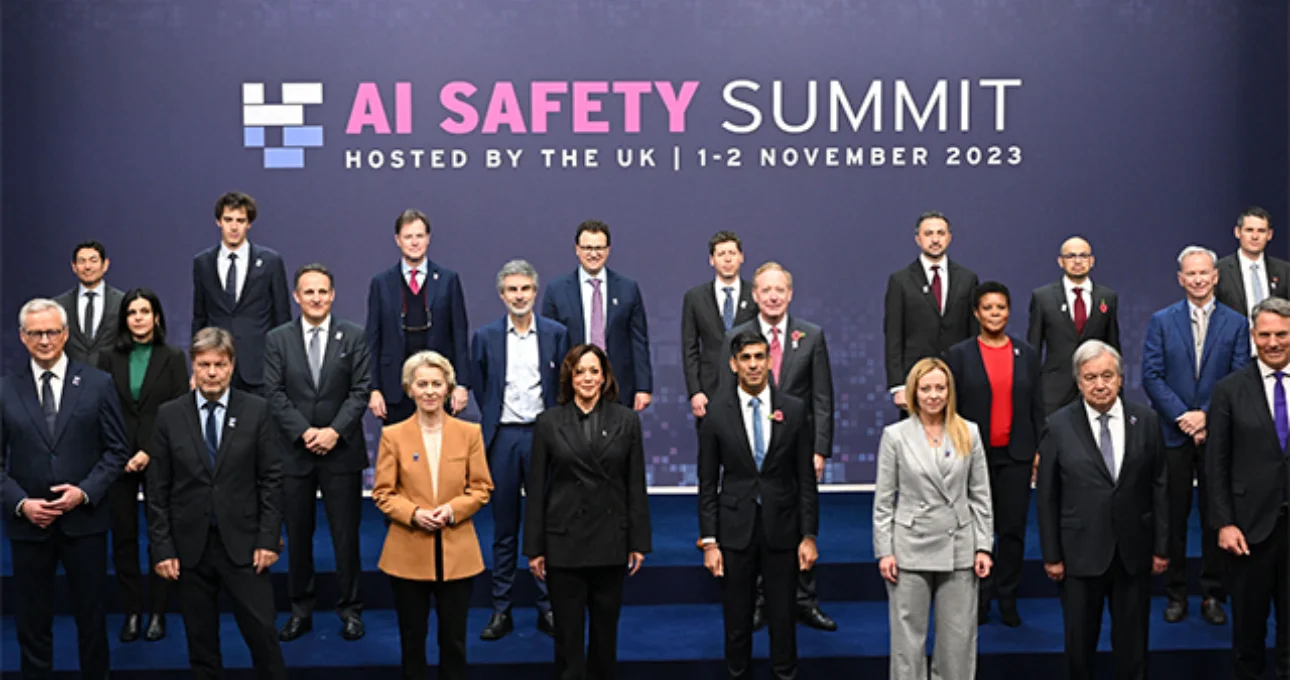
The world has reached a pivotal moment in the regulation of artificial intelligence. Reports of a historic Geneva AI Safety Treaty being ratified by more than 140 nations signal the strongest global effort yet to bring accountability, safety, and transparency to the rapidly advancing AI ecosystem. As frontier AI models become more powerful and influential across economies, governments appear united in acknowledging that voluntary guidelines are no longer enough.
The Geneva AI Safety Treaty is being described as the first legally binding international framework focused specifically on advanced or “frontier” AI systems. These include large-scale models capable of autonomous decision-making, content generation at scale, and complex problem-solving—technologies that increasingly shape finance, healthcare, defense, education, and democratic discourse.
Why the Geneva AI Safety Treaty Matters
For years, AI governance has been fragmented. While regions like the European Union pushed ahead with regulatory structures such as the AI Act, many countries relied on soft-law principles or company-led ethics pledges. The Geneva treaty represents a shift from advisory norms to enforceable global standards.
At its core, the agreement establishes baseline safety obligations for developers of frontier AI models. These include mandatory risk assessments, transparency around training data and capabilities, safeguards against misuse, and ongoing monitoring of deployed systems. Crucially, the treaty applies not only to governments but also to private companies building and operating advanced AI technologies.
Creation of a Global AI Oversight Agency
One of the most significant outcomes of the treaty is the reported creation of an international AI oversight body. This agency is expected to coordinate cross-border enforcement, share safety research, and act as an early warning system for emerging AI risks. In a world where AI systems are trained in one country and deployed globally, such coordination is seen as essential.
The oversight body would also provide a neutral platform for resolving disputes, auditing high-risk AI systems, and updating safety standards as technology evolves. This adaptive approach is critical, given the speed at which AI capabilities are advancing.
Balancing Innovation and Accountability
Supporters of the Geneva AI Safety Treaty argue that clear global rules will ultimately accelerate responsible innovation. By setting consistent expectations, companies can invest in AI development with greater regulatory certainty, rather than navigating a patchwork of national laws.
However, the treaty also raises important questions. How will compliance be verified across jurisdictions? Will smaller AI startups face disproportionate regulatory burdens compared to tech giants? And how will enforcement work in countries with differing political and legal systems?
Critics caution that overly rigid rules could slow innovation or push cutting-edge research underground. Proponents counter that the treaty is designed to focus narrowly on the most powerful AI systems, leaving room for experimentation and growth in lower-risk applications.
A New Era for Global AI Governance
The reported ratification by over 140 nations suggests broad recognition that AI safety is no longer a theoretical concern—it is a global security, economic, and societal issue. From deepfakes and misinformation to autonomous weapons and systemic bias, the risks of unchecked AI development have become impossible to ignore.
If implemented effectively, the Geneva AI Safety Treaty could become the foundation of long-term global AI governance, much like nuclear non-proliferation agreements shaped international security in the 20th century. While challenges remain, this agreement marks a decisive step toward aligning technological progress with shared human values.
As artificial intelligence continues to redefine the future, the world appears to be sending a clear message: innovation must be matched with responsibility, and global cooperation is the only way forward.