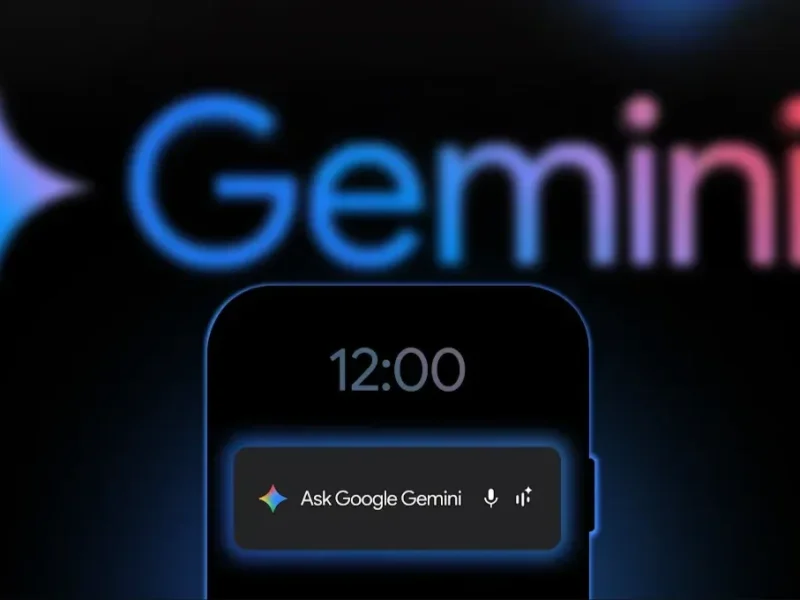










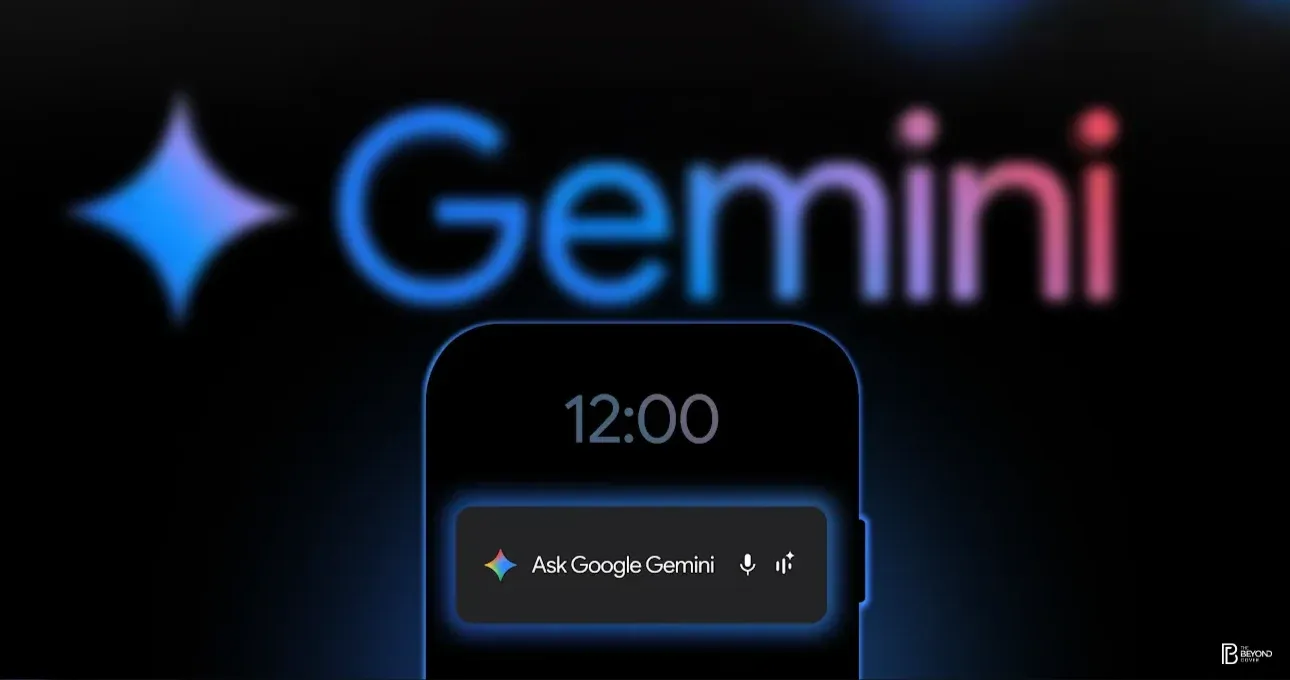
Imagine booking a cab, reordering your favourite meal or scheduling an errand without opening a single app. That’s exactly what Google’s Gemini is beginning to deliver. Announced in beta on February 25, 2026, the new update brings multi-step task automation to Android, turning compatible smartphones into proactive, voice-driven assistants.
The feature is currently rolling out on Pixel 10, Pixel 10 Pro and the Samsung Galaxy S26 series in the US and Korea, with a wider global expansion—including India—expected soon.
One Command, Multiple Actions—No App Switching
With a simple long press of the side or power button, users can give a natural voice command like:
- “Book a ride home”
- “Reorder my last meal”
Gemini then completes the entire process on its own.
It can open supported apps, fill in the required details, confirm the order and process the payment—with user approval—while showing real-time progress notifications. Everything runs in a secure, controlled environment, allowing users to pause or take over at any step.
At launch, the automation focuses on:
- Food delivery
- Grocery ordering
- Ride-hailing services
Support for more categories—such as calendars, notes and productivity tools—is expected through a framework called AppFunctions, which allows deeper integration between Android and third-party apps.
A Shift Toward an “Intelligent” Android OS
This update is part of Google’s broader vision of turning Android into an intelligent, AI-first operating system powered by Gemini 3.0.
Instead of switching between multiple apps to complete a task, the AI handles the workflow in the background. The result is faster execution, less manual effort and a more conversational way to interact with your phone.
For users, it means:
- Less time spent navigating apps
- Faster completion of routine tasks
- A more personalised smartphone experience
Privacy and User Control at the Core
Google has built the system with strict safeguards:
- Tasks start only after explicit user commands
- Each action runs in an isolated environment
- Real-time notifications provide full visibility
- Users can stop the process instantly
Gemini cannot freely access personal content such as photos, messages or files without permission. This approach combines the speed of on-device processing with stronger privacy controls.
Why This Matters for India’s Mobile-First Users
India’s app-driven ecosystem makes this feature especially relevant. Once rolled out locally, users could:
- Order food or groceries during a commute
- Book rides without switching screens
- Manage daily errands through voice commands
With millions of users juggling multiple apps for everyday tasks, AI-led automation has the potential to save significant time and simplify digital interactions.
A Key Moment in the AI Assistant Race
The launch comes as the competition for AI-powered assistants intensifies across platforms. By embedding task automation directly into Android, Google is moving beyond chat-based AI toward agentic AI—systems that can act on behalf of users.
For developers, this opens the door to new types of AI-driven app experiences. For users, it signals the beginning of smartphones that don’t just respond to commands—but complete real-world tasks.
What’s Next in the Rollout
Although the beta is currently limited to select flagship devices, expansion is expected through upcoming Pixel and Samsung software updates. As more apps integrate with AppFunctions, the range of automated tasks will grow.
The direction is clear: Android is evolving from a collection of apps into a unified, AI-powered system that works like a personal digital assistant.