










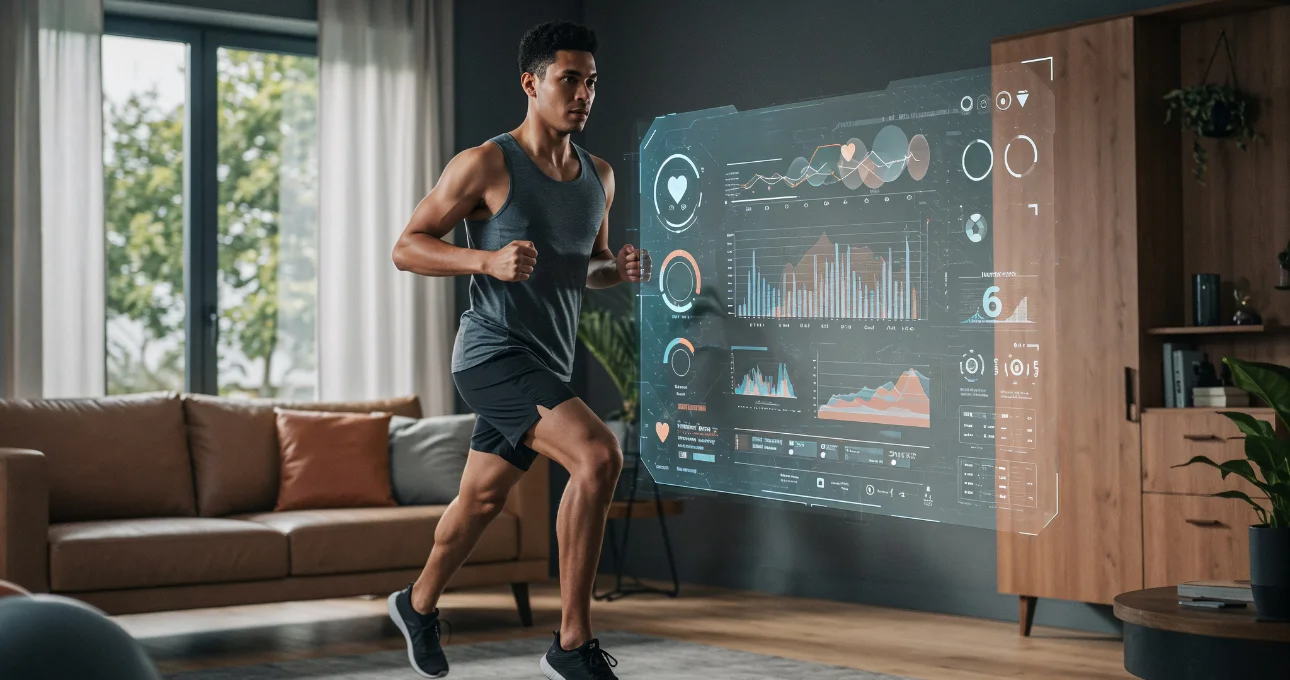
The fusion of artificial intelligence and fitness has finally crossed an important threshold. Flex AI — a rising innovator in health-tech — has officially launched its first commercial real-time exercise form analysis platform, bringing professional-grade motion correction directly into everyday workouts. After years of experimentation in computer vision, biomechanics modelling, and on-device AI, the company is now positioning itself at the center of the next big wave in digital fitness.
From motion tracking to intelligent coaching
Most fitness apps today focus on counting reps, tracking calories, or offering pre-recorded instructions. Flex AI’s new platform moves far beyond this by using advanced computer vision models trained on thousands of human movement variations. The system can watch, understand, and correct the user’s form with remarkable precision — all in real time.
Whether it’s a squat, push-up, lunge, or kettlebell swing, the AI analyzes joint alignment, balance, range of motion, and tempo, detecting subtle mistakes that even experienced trainers may miss. It then provides instant voice or visual feedback to help users adjust their posture, reduce injury risk, and perform movements more effectively.
This step indicates how AI is transitioning from passive monitoring to active, intelligent coaching, making personalized fitness guidance more accessible than ever.
Why Flex AI’s launch is a big deal
The timing of Flex AI’s commercial release aligns with a growing global demand for home workouts and hybrid training models, accelerated by both the pandemic era and the rise of smart wearables.
But Flex AI stands out in three important ways:
1. Real-time correction without special hardware
Users don’t need expensive connected equipment, depth cameras, or motion sensors. A smartphone, tablet, or laptop camera is enough. This lowers the entry barrier significantly and brings AI-powered fitness coaching to a massive audience.
2. Professional-level analysis for everyday users
The platform’s computer vision technology has been trained with input from physiotherapists, sports scientists, and certified trainers, ensuring the AI understands ideal biomechanics rather than approximations.
3. Adaptive coaching for different fitness levels
One of the most impressive features is the system’s ability to adjust feedback based on experience. Beginners get slow, detailed instructions. Advanced users receive performance optimization tips. This makes the product useful both for home workout enthusiasts and seasoned athletes.
AI’s growing footprint in health and fitness
Flex AI’s launch is part of a larger trend: AI is rapidly gaining traction in areas like mental well-being, posture correction, personalized nutrition, and preventive health analytics. The fitness industry, in particular, is shifting toward precision training, where AI helps people work out more efficiently and safely.
As more companies experiment with computer vision, wearable sensors, and predictive analytics, platforms like Flex AI could become as common as fitness trackers themselves.
What comes next?
With the commercial launch complete, the company plans to expand into:
- Full-body workout analytics
- Advanced injury-prevention systems
- Personalized training plans powered by long-term movement data
- Integrations with smart mirrors and AR-based workout environments
Flex AI also hinted at upcoming partnerships with gyms, physical therapy centers, and sports academies to bring AI-assisted coaching to offline spaces as well.
A new standard for digital fitness
With its real-time form analysis platform, Flex AI is redefining what fitness technology can do. It’s no longer just about tracking — it’s about coaching, correcting, and improving. As AI continues transforming consumer health experiences, Flex AI’s breakthrough may set the new benchmark for intelligent, accessible fitness innovation.