






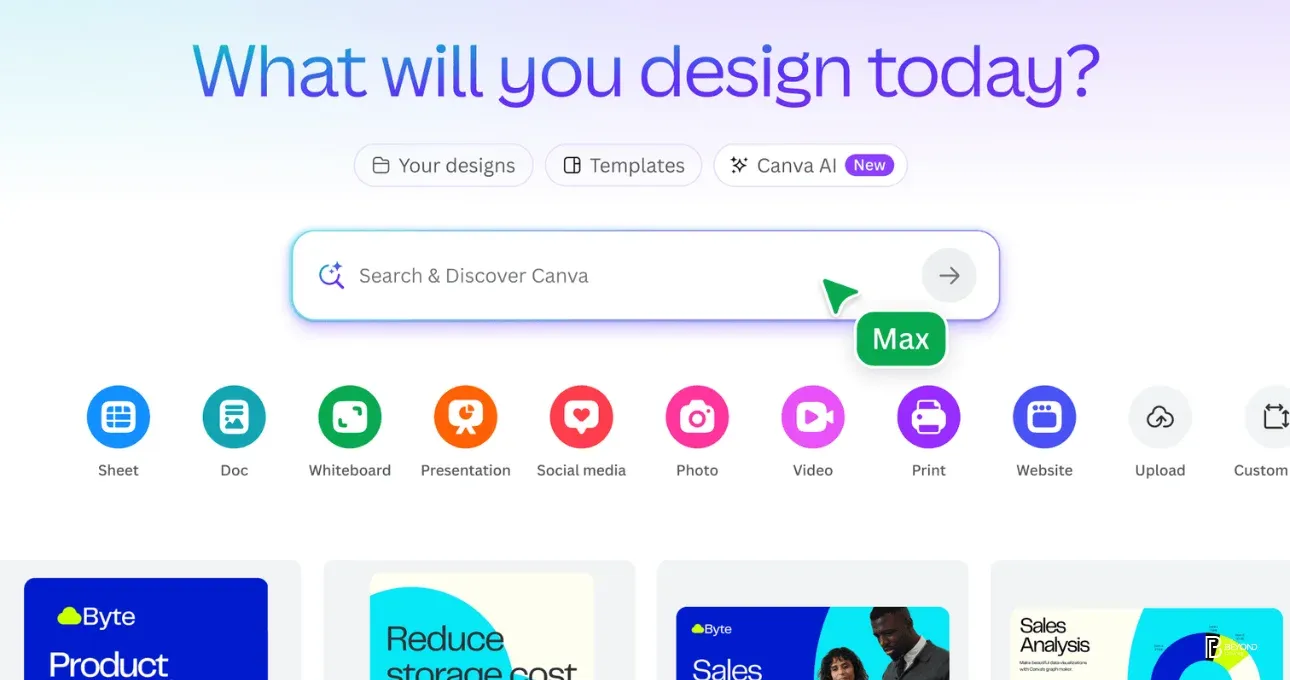
In a strategic bid to expand its artificial intelligence capabilities and move deeper into the professional design ecosystem, Canva has acquired MangoAI and Cavalry. The move strengthens Canva’s AI stack and signals its growing ambition to compete more directly with established creative technology leaders such as Adobe and Apple in the professional creative space.
The acquisitions reflect a broader transformation underway in the design industry, where AI-powered tools are rapidly redefining how visual content is created, edited, and delivered. Canva, long known for simplifying design for individuals and small businesses, is now positioning itself as a serious contender for high-end creative workflows by integrating advanced automation, generative capabilities, and motion design technologies.
MangoAI brings artificial intelligence expertise that can enhance Canva’s ability to automate complex design tasks, generate visual assets, and deliver smarter creative recommendations. AI-driven features are becoming central to modern design platforms, enabling users to produce professional-quality content faster and with fewer technical skills. By embedding deeper AI intelligence into its core platform, Canva aims to reduce manual effort while increasing creative output for both individual users and enterprise teams.
Cavalry, on the other hand, is known for its procedural motion design and automation tools, which are widely used by professional designers for creating dynamic, data-driven visuals and animations. Its technology allows creatives to build reusable systems that generate multiple design variations at scale—an increasingly important capability for brands producing content across multiple formats and channels. The integration of Cavalry’s technology is expected to strengthen Canva’s position in motion graphics, an area traditionally dominated by more complex professional software.
Together, the two acquisitions significantly expand Canva’s reach beyond its original template-driven model. The company is steadily evolving into a full-stack creative platform that supports everything from social media graphics and presentations to advanced visual storytelling and brand-scale content production.
This AI-focused expansion comes amid intensifying competition in the creative technology market. Adobe continues to integrate generative AI across its flagship tools, while Apple’s hardware–software ecosystem remains a strong force for creative professionals. By investing in AI and procedural design capabilities, Canva is working to close the gap and attract a new segment of professional users without losing its core appeal of simplicity and accessibility.
Industry analysts see this as part of a larger shift toward AI-native creative workflows. The future of design is expected to rely heavily on automation, real-time collaboration, and intelligent tools that can adapt to user intent. Platforms that successfully combine ease of use with professional-grade output are likely to dominate the next phase of the creative economy.
For enterprise customers, the enhanced AI stack could enable faster campaign production, personalized content at scale, and more efficient brand management. For individual creators, it means access to sophisticated design and motion capabilities without the traditional learning curve associated with high-end creative software.
While financial details of the acquisitions have not been disclosed, the strategic intent is clear: Canva is accelerating its transition from a user-friendly design tool to an AI-powered creative platform capable of serving both mass-market and professional needs.
As the creative landscape becomes increasingly shaped by artificial intelligence, Canva’s latest moves highlight a growing battle for control over the future of digital content creation—one where speed, automation, and intelligent design systems will determine the winners.