










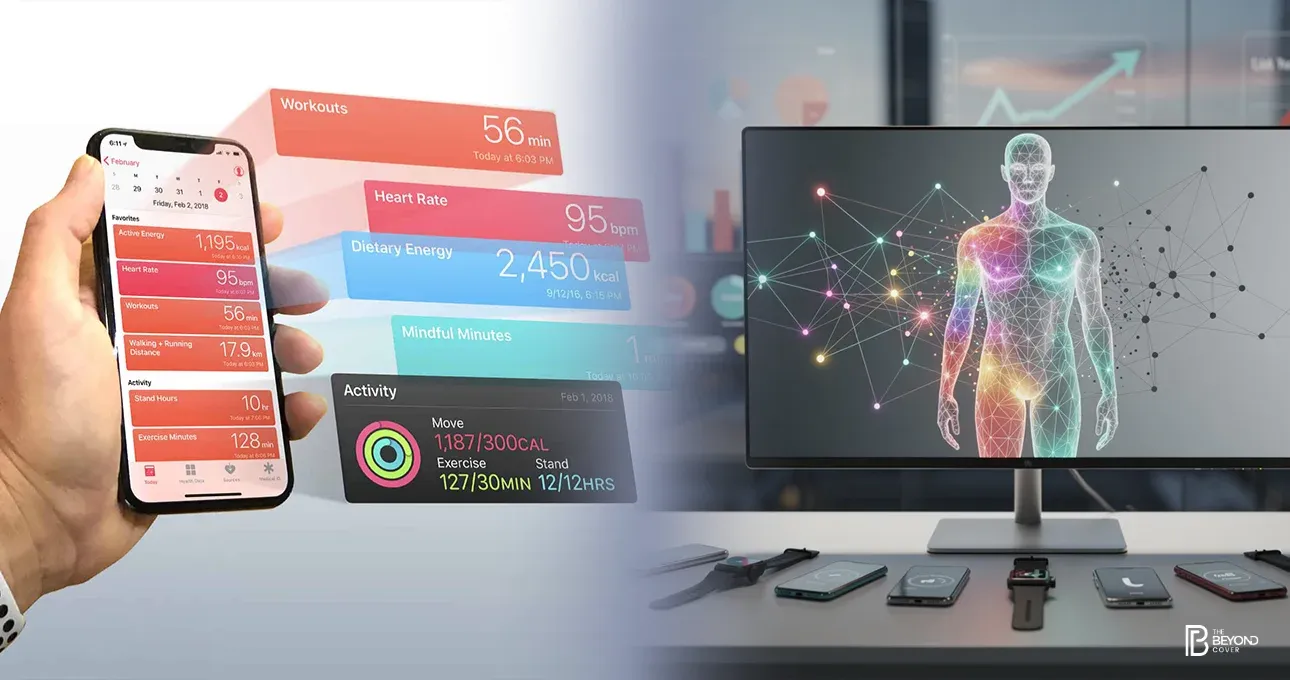
Apple is reportedly winding down work on its virtual AI health coach project, signaling a strategic recalibration as competition in the digital health and artificial intelligence space accelerates. While Apple has not made a formal public announcement, multiple industry sources suggest the company has slowed or paused development of the initiative, which was internally positioned as an AI-driven wellness and health guidance service.
Apple’s AI Health Coach Vision
The virtual AI health coach was expected to build on Apple’s existing health ecosystem, which includes the Apple Watch, Health app, and Fitness+ services. The concept centered on using artificial intelligence to deliver personalized health insights, lifestyle recommendations, and preventive care guidance based on user data, such as activity levels, sleep patterns, and vital signs.
Unlike clinical diagnostic tools, the AI health coach was reportedly designed as a consumer-facing wellness companion, offering guidance rather than medical advice. This approach aligned with Apple’s long-standing emphasis on privacy-first, consumer-friendly health technology.
Why Apple Is Reconsidering the Project
The reported decision to wind down the project comes amid increasing competition in AI-powered health services. Big technology firms, startups, and healthcare-focused AI companies are rapidly launching virtual health assistants, symptom checkers, and AI-driven wellness platforms. Many of these players are moving faster, forming partnerships with healthcare providers and insurers, and leveraging generative AI models to scale services quickly.
At the same time, regulatory scrutiny around AI in healthcare has intensified globally. Ensuring compliance with evolving data protection rules, medical regulations, and AI governance frameworks may have added complexity to Apple’s plans. Industry analysts note that Apple tends to be cautious in health-related launches, prioritizing reliability, user trust, and regulatory clarity over speed.
Competitive Pressure in AI Healthcare
The AI healthcare landscape has become increasingly crowded. Companies are deploying large language models to support patient engagement, chronic disease management, and administrative workflows. Startups are also experimenting with AI health coaches that integrate wearables, telemedicine, and behavioral science.
For Apple, this environment presents a challenge. While it controls a powerful hardware and software ecosystem, competing directly with specialized AI health platforms may require deeper clinical integration and partnerships—areas where Apple traditionally moves deliberately.
What This Means for Apple’s Health Strategy
Despite reports of scaling back the AI health coach, Apple’s broader health ambitions remain intact. The company continues to invest heavily in health tracking features, sensor technology, and research initiatives tied to the Apple Watch and iPhone. Recent updates have focused on sleep tracking, heart health, mental wellness, and fitness personalization.
Experts suggest Apple may be redirecting resources toward incremental AI features embedded within existing products, rather than launching a standalone virtual health coach. This could include smarter insights in the Health app, improved on-device AI processing, and enhanced personalization without branding it as a dedicated “AI coach.”
Market and Industry Implications
Apple’s reported move highlights a broader reality in AI healthcare: innovation is moving quickly, but trust, regulation, and execution remain critical barriers. Even for a company with Apple’s scale and brand power, launching AI-driven health services carries significant risk.
For the industry, the development underscores that AI in healthcare is not a race to launch, but a long-term challenge involving data quality, safety, and user confidence. Apple’s decision may reflect a preference to wait, refine, and re-enter the space with a more mature offering.
Looking Ahead
While the virtual AI health coach project may be on hold, Apple’s interest in AI and healthcare is unlikely to fade. As competition continues to intensify, the company may return with a reimagined approach—one that fits its ecosystem-driven strategy and high standards for privacy and reliability.
For now, Apple’s reported step back serves as a reminder that even tech giants must navigate carefully when AI meets personal health.